Malaysia's Formula 1 Comeback: RM350 Million Cost and Economic Impact
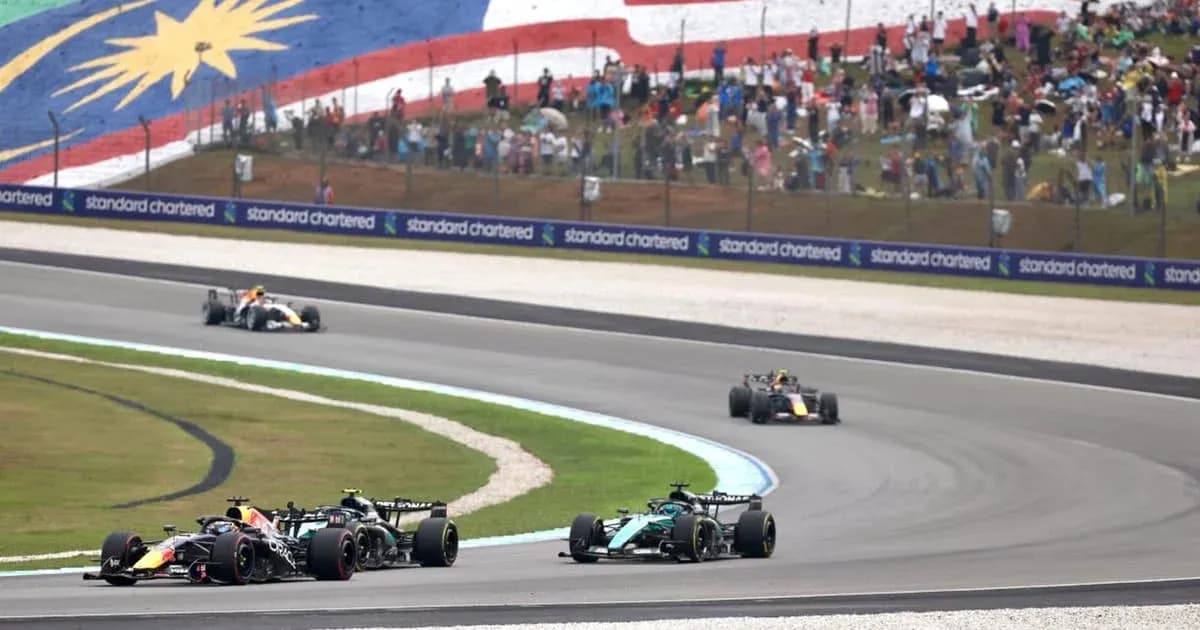
Malaysia’s surprise return to the Formula 1 calendar has come with a far steeper price tag than initially projected, with the government now revealing that hosting the Bahrain Grand Prix at Sepang cost an estimated RM350 million.
The figure, disclosed in a written parliamentary reply, dwarfs the earlier public estimates made in July and raises fresh questions over transparency and long-term strategy as the country weighs a full-time comeback to the sport.
From RM40 million talk to a RM350 million reality
Answering Nazri Abu Hassan (PN–Merbok), youth and sports minister Dr Taufiq Johari detailed that the Oct 2–4 event carried a total cost of around RM350 million, including hosting fees and circuit preparations.
Malaysia’s direct share: RM70 million.
That amount, Taufiq said, went into circuit maintenance and operating costs at the Sepang International Circuit (SIC), with Bahrain footing the remainder of the bill.
The numbers cut sharply against what had been publicly floated just months earlier. On July 27, Prime Minister Anwar Ibrahim stated that the government would only need to rely on the RM16 million already allocated annually for maintaining and upgrading the circuit. A day later, SIC chief executive Azhan Shafriman Hanif estimated local preparations at about RM40 million, to be shared between Malaysia and Bahrain.
Now, the official tally tells a very different story. The ministry offered no explanation for the gap between the earlier projections and the latest figure, leaving MPs – and taxpayers – to join the dots themselves.
Big bill, big boost
If the outlay raised eyebrows, the economic impact numbers were designed to turn heads.
Citing data from Formula One Management, Taufiq said the race generated an estimated RM950 million in economic activity. Hotels filled up. Planes flew in packed. Money flowed through tourism, aviation, transport, food and beverage outlets, and a host of other services built around a global event of this scale.
The race also acted as a short, sharp employment engine. According to the ministry, around 7,300 job opportunities were created:
- 6,167 in businesses and services catering to visitors
- 757 in race operations and infrastructure
- 376 linked directly to F1 teams, sponsors and race operations
Those figures underline why governments still chase F1, even as hosting fees and operational costs climb. The circus is expensive. It is also lucrative – at least on paper.
What remains unclear is how much of that activity turned into direct revenue for the state. Taufiq did not reveal how much the government collected in taxes, fees, or rental income from the event, leaving a crucial part of the cost-benefit equation blank.
A test case for F1’s Malaysian future
For Sepang, the race was more than a one-off spectacle. It was a live experiment.
The Bahrain Grand Prix’s relocation to Malaysia, forced by conflict in West Asia, brought Formula 1 back to the country for the first time since 2017. For three days, the old venue slipped back into a familiar rhythm – the noise, the colour, the global spotlight. It also revived a bigger debate: should Malaysia return to the F1 calendar on a permanent basis?
Between 1999 and 2017, Malaysia hosted the F1 Grand Prix as one of Asia’s landmark stops. The partnership ended when rising costs and questions over value for money finally tipped the scales.
Now, Taufiq says SIC and an appointed consulting firm are still assessing the true costs and economic benefits of this latest race. Their findings will help the government decide whether to pursue future F1 events.
The numbers on the table already frame the stakes. RM70 million in public spending. RM350 million in total costs. RM950 million in estimated economic activity. Thousands of jobs created, if only briefly.
The next decision is no longer about whether Malaysia can stage a Formula 1 race. Sepang has just proved, again, that it can. The real question is whether the country wants to pay the price of coming back for good.