Madring to Transform the Spanish Grand Prix
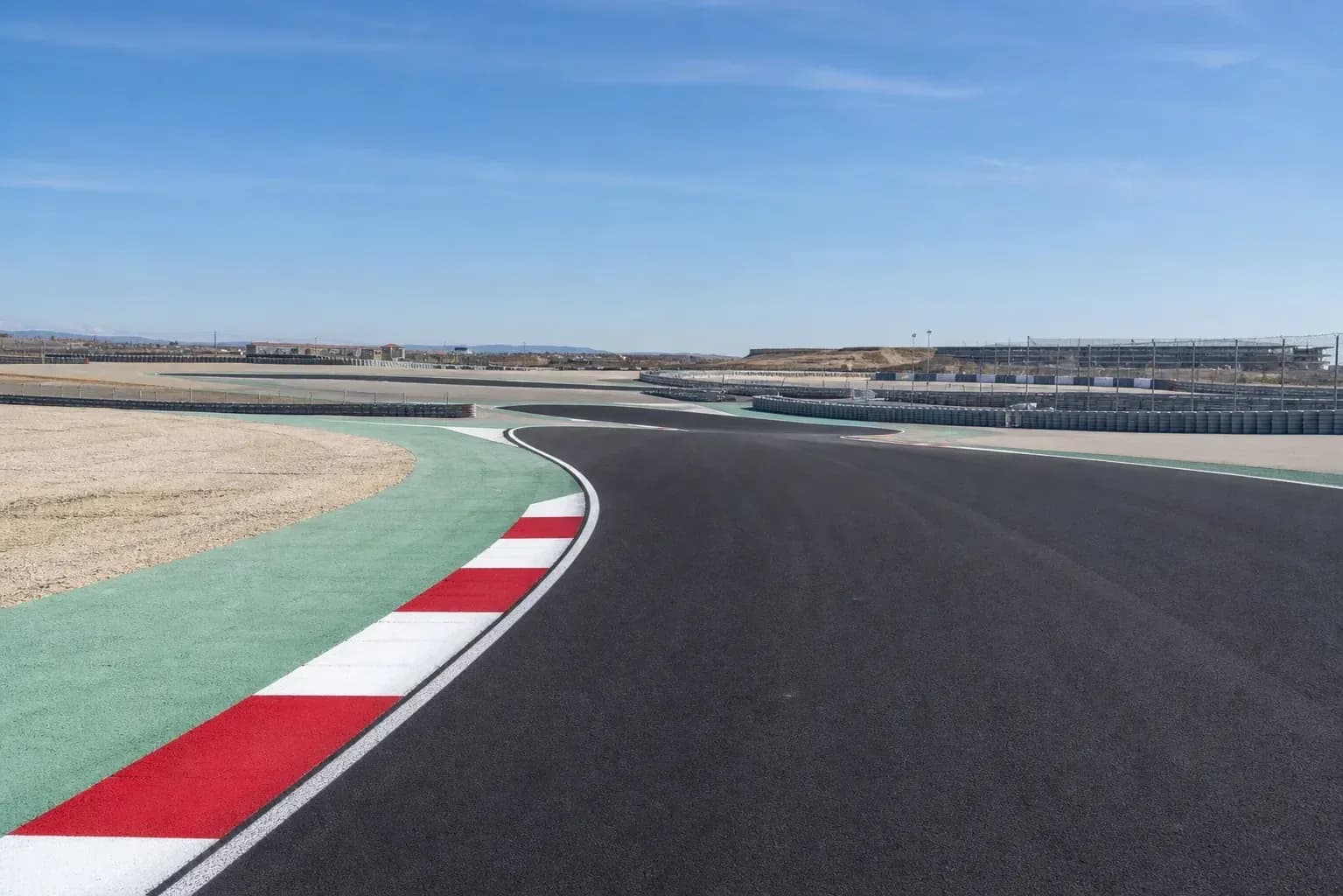
Formula 1’s long-running Spanish Grand Prix is about to change its address and its attitude. In 2026, the race leaves Barcelona for Madrid, heading to the brand-new Madring circuit in the capital, a venue locked in on the calendar until at least 2035.
This is not a simple swap of cities. It is a statement of intent.
A hybrid beast in the capital
Madring will thread its way through a mix of city streets and private land, a 22-corner layout designed to feel part street circuit, part permanent race track. Some sections will carry the tight, unforgiving character of a downtown loop; others will open out into more traditional high-speed racing lines.
The circuit’s signature, though, sits at Turn 12.
La Monumental: the corner that could define a decade
Turn 12, already christened La Monumental, is where Madring aims to carve its identity into the sport. It is a long, banked hairpin with a huge 270-degree arc and a maximum banking angle of up to 13.5 degrees.
For reference, Zandvoort’s most extreme banking hits 18 degrees. Yet Formula 1 teams expect cars to attack La Monumental at even higher speeds, using the long, sweeping profile to carry momentum in a way more reminiscent of an oval than a traditional European road course.
Williams driver Carlos Sainz has already sampled the layout in a Ford Mustang GT. His early verdict was bold: he believes F1 machinery could take La Monumental flat out. That prospect alone changes the complexion of the lap and the race.
Sainz also highlighted the tactical depth built into the banking. The corner should offer multiple lines – higher or lower – giving drivers the chance to hunt for clean air while stalking a rival. Hugging the inside could generate a powerful slipstream effect on exit, a dynamic he likened to Zandvoort, only with a longer, more sustained load through the turn.
Crucially, the exit from La Monumental leads into a tight left-hander, a natural pinch point where any momentum gained – or lost – through the banking will immediately be tested under braking. That is where overtakes may be made, or blown.
A new stage for a tight title fight
The first Spanish Grand Prix at Madring is scheduled for Sunday, September 13, 2026, and it will not arrive as a gentle exhibition. It drops straight into the heart of a fierce championship battle.
Kimi Antonelli, in the Mercedes, currently sits on top of the drivers’ standings with 267 points. His teammate George Russell shadows him on 201, giving Mercedes a formidable one-two at the front. Behind them, Lewis Hamilton, now in Ferrari red, holds third with 191 points, still very much in range if the season tilts his way.
The constructors’ picture tells a similar story of silver control. Mercedes lead with 468 points, Ferrari chase on 346, and McLaren remain in the hunt with 287. A new circuit, unknown grip levels, and a radical corner like La Monumental offer exactly the kind of volatility that can fracture or cement those gaps.
Barcelona has provided decades of data and predictability. Madring offers the opposite: uncertainty, experimentation, risk.
When the lights go out in Madrid for the first time, the question will not just be who wins the Spanish Grand Prix. It will be who dares to trust La Monumental at full throttle – and how that bravery reshapes the championship.