Madrid Grand Prix Delivers Spectacle but Fails to Impress Drivers
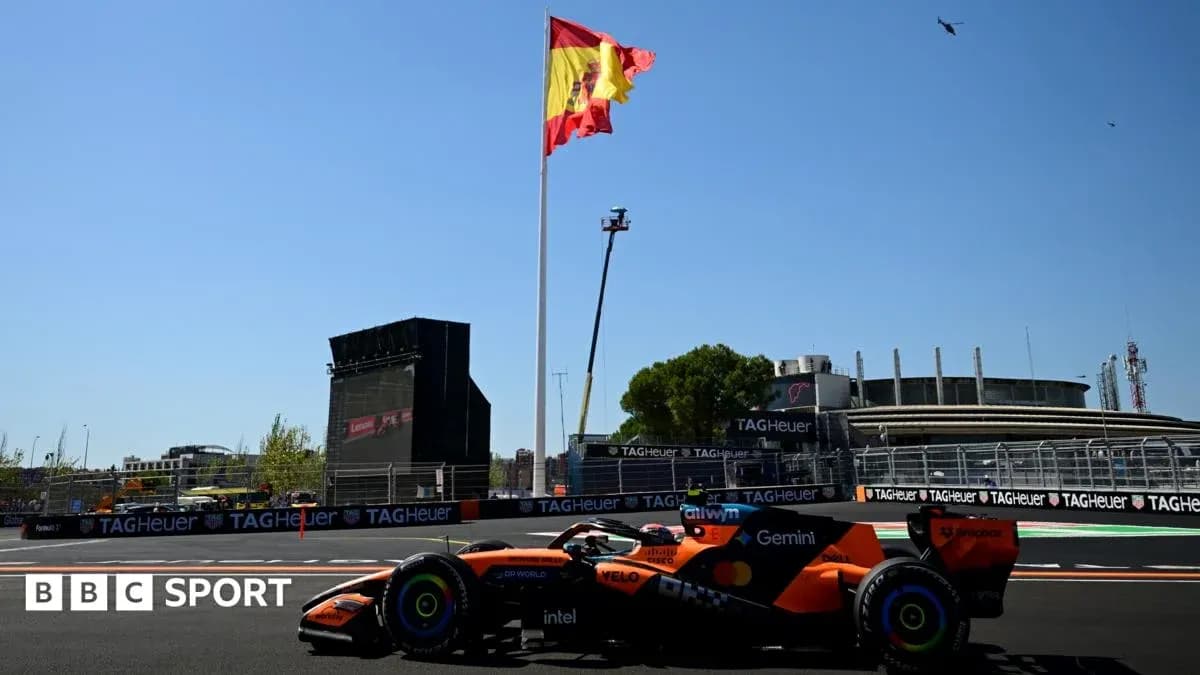
The inaugural Spanish Grand Prix at Madrid’s new Madring circuit delivered glitz, noise and a sell-out crowd. What it did not deliver, according to the drivers, was a race.
The organisers have heard the verdict. Changes are coming.
A show without a fight
From the paddock hospitality suites and the grandstands around the Ifema exhibition centre, the event looked like a modern Formula 1 success story: an urban venue, a temporary street-style layout, and a backdrop just minutes from Madrid’s international airport.
On track, it was another matter.
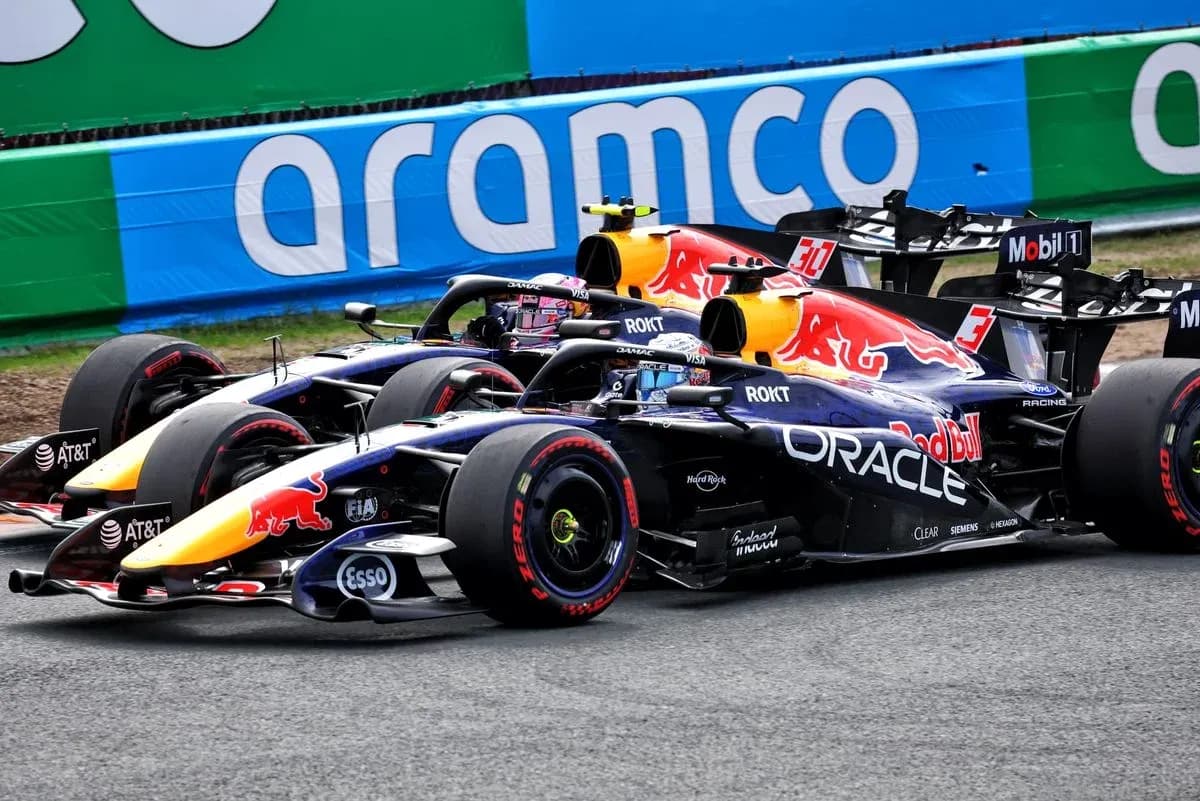
Overtaking proved almost impossible. Williams driver Alex Albon did not sugar-coat it, branding the race “pretty boring”. Audi’s Gabriel Bortoleto went even further, saying he “almost fell asleep”.
The drivers liked the feeling of the place over a single lap. The track is narrow, technical and unforgiving, with walls looming and little room for error. But when the lights went out and the field settled into formation, the spectacle faded into a processional afternoon.
World champion Lando Norris summed up the frustration. One section of the layout, he said, was “useless” and the overall package “not a great racetrack”.
Event wins praise, track takes the hits
That split verdict ran through the paddock: strong marks for the event, low scores for the racing.
Ferrari team principal Frederic Vasseur led the applause for Madrid’s ambition and organisation.
“First, I have to say that we can discuss about overtaking, but overall, for me, the event was mega,” he said. “The infrastructure, we were mega welcome in the city. We have also to be fair with them and to congratulate Madrid for the job done on this side.”
Vasseur’s message was clear: don’t throw the baby out with the bathwater. The show around the circuit worked. Now the track itself needs to catch up.
“They are keen to do modifications in the future,” he added. “They have probably more latitude in Madrid than in Monaco to change something. Let’s work together to see if we can do something. But overall, I think we have to be fair with them. It was a good effort.”
Mercedes team principal Toto Wolff struck a similar tone, but went even stronger on the overall impression.
“For a first [race], it’s probably one of the best, or maybe the best, that I’ve seen so far,” he said. “It’s a temporary circuit. They’ve built something that is challenging for the drivers. A mini Macau or a mini Monaco. The location is good.”
The key advantage, Wolff pointed out, is space – a rare commodity for a city race.
“We’re thinking about how much more can we do next year in terms of the events here or presentations because we have the space and that’s very rare. So I would say congratulations for a first.
“And then it’s the tricky bit. Doing a track that is spectacular also for the drivers. And then building it in a way that there is lots of overtaking.”
Wolff revealed that conversations are already underway with the people who can actually redraw the map.
“I had a discussion yesterday with the CEO of the circuit and they are totally open-minded about next year and say we’ve had the discussions with the FIA – ‘what is it we should do? How is it that we should lay the track out when it comes to overtaking also?’”
“There is a constant discussion and I think that they are on it and understand that we can tweak it a little bit here or there.”
Drivers call for surgery, not tweaks
Race winner Kimi Antonelli, who managed to triumph despite the lack of passing, did not hide the limitations of the layout in combat.
“It definitely doesn’t create overtaking opportunities and it doesn’t push you to try and make a move because 80% of the time you might have a contact,” he said.
The risk-reward balance is wrong. With narrow entries and awkward corner sequences, drivers feel punished for attacking.
“There are some corners that need to be changed to create more overtaking opportunities because right now, yes, it’s nice over one lap, but for sure in the race you’re just stuck behind.”
Norris, denied victory for McLaren by the ill-timed arrival of a virtual safety car, was even more specific. He pointed the finger at the end of the lap.
“There are some obvious changes they should make,” he said. “They should get rid of [Turns] 18, 19 – useless. Just have more of a straight into a hairpin.
“I don’t know how someone looks at this design and goes, ‘mint’.”
Harsh words, but not destructive ones. Norris, like many of his colleagues, sees potential in the Madring if the layout is reworked with racing in mind.
“There’s a lot of opportunity. They can make it into a track that’s good for racing, and I’m excited to come back here next year if they can make these changes because I think it’s a track that is good fun to drive and it can be a great racetrack.”
Fans feel the strain
The criticism did not stop at the white lines.
On social media, F1 fans who made the trip to Madrid highlighted a very different set of problems: access issues, poor visibility from certain areas, broken or unfinished facilities, and spectators forced to sit on bare earth trackside.
The sense was of a venue racing the clock. That perception is not unfounded. It is widely known in the paddock that organisers worked under intense time pressure to deliver the circuit and infrastructure in time for its debut.
The track itself is a hybrid: some sections run along existing roads within the Ifema complex, others use newly created permanent pieces of circuit. The most distinctive feature, the banked Turn 12 – La Monumental – already feels like a signature corner. But one standout moment in the lap is not enough to save a race that never really ignited.
Madrid promises to listen
Madring managing director Luis Garcia Abad, formerly the manager of two-time world champion Fernando Alonso, did not respond to BBC Sport’s request for comment on Monday. His silence did not last long elsewhere.
Speaking after the race to Autosport, Garcia Abad made it clear that the circuit will not stand still.
“The FIA defined clearly which is the way to improve the track layout, and we will be open because we will have to reinstall the track for the next year,” he said.
The temporary nature of much of the layout becomes an advantage here. Barriers, walls and even corners can move.
“I really believe that the drivers enjoyed qualifying a lot. But for sure we will try to make an improvement for next year.
“We have the space, we have a venue, we have the facilities, we have the capacity to do it. I’m sure that FOM, FIA and ourselves, we will try. If we can improve something, we will do it.”
The message from Madrid is unambiguous: the show stays, the circuit evolves. The question now is simple and decisive – can the Madring turn a photogenic, high-gloss event into a race that the drivers actually fight to win?