Liam Lawson's Formula 1 Future: Red Bull's Unforgiving Standards

Liam Lawson’s Formula 1 future has become one of the sharpest storylines of the 2026 driver market, and it’s unfolding under the harshest possible spotlight: inside the Red Bull system.
Thirteen seats on next year’s grid are already locked in. Of the remaining nine, most look like formalities waiting to be signed off. Red Bull is the exception. It rarely does “routine”.
Right now, only Max Verstappen is guaranteed among the four seats at Red Bull and Racing Bulls. Behind him, the picture is clearer than the contract sheets suggest. The expectation in the paddock is that the current structure will roll on: Isack Hadjar alongside Verstappen at Red Bull, Liam Lawson continuing at Racing Bulls with Arvid Lindblad.
On paper, that sounds stable. In reality, Lawson’s long-term prospects are anything but.
Rosberg lays down the Red Bull standard
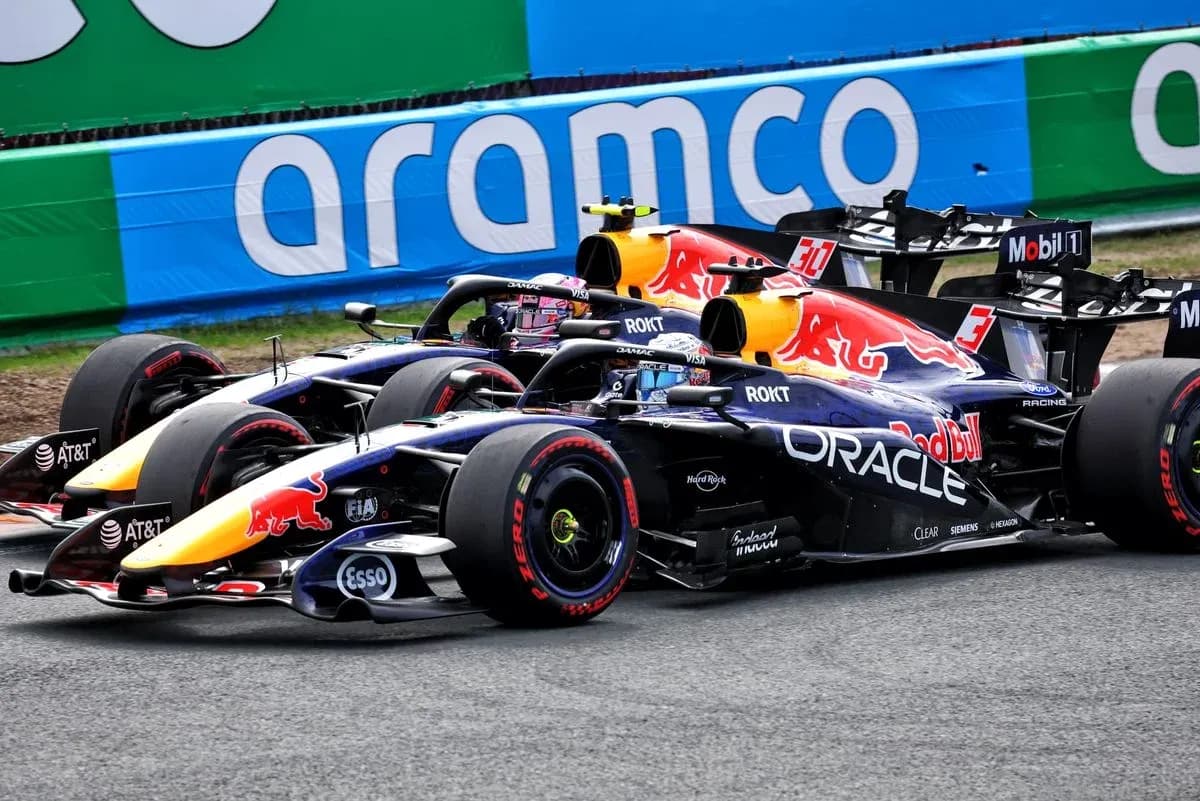
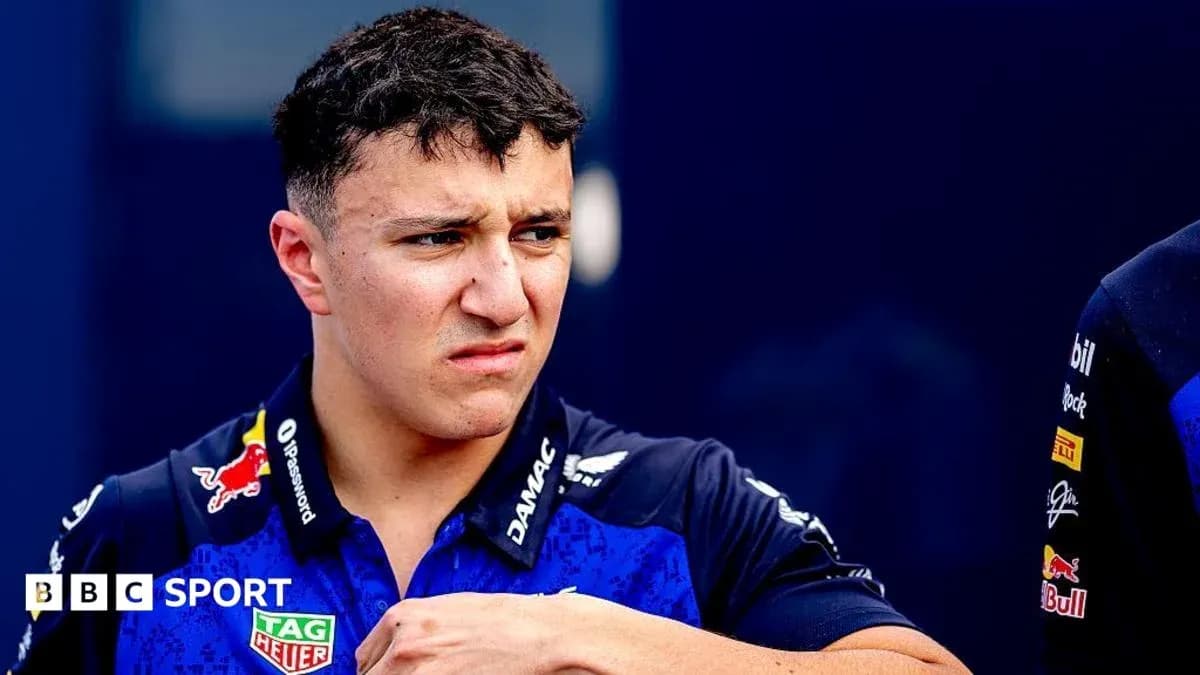
Lawson has stepped in for the injured Hadjar at the last three Grands Prix. He’s scored points, handled pressure, and kept the car tidy. Seventh in Zandvoort, 14th at Monza after contact, sixth in Madrid. Respectable numbers for a stand-in.
Nico Rosberg isn’t convinced that “respectable” cuts it at Red Bull.
Speaking on Sky F1, the 2016 world champion framed the decision in brutal, simple terms. Red Bull, he argued, is not hunting for solid operators. It is chasing the next phenomenon.
In Rosberg’s view, the benchmark in that garage is clear: the next Max Verstappen, the next Sebastian Vettel. Anything short of that, he suggested, is not enough for the senior team. On current evidence, he doubts Lawson has shown he belongs in that category. Names like Lindblad and Hadjar, he pointed out, remain very much alive in those internal conversations.
That is the harsh reality of the Red Bull conveyor belt. It does not reward “pretty good” for long.
Mekies pushes back
Inside the organisation, though, the tone is different.
Laurent Mekies, Red Bull team principal and CEO, has been far more generous in his assessment of Lawson’s recent run. From his vantage point, the New Zealander has done exactly what was asked of him in a brutally difficult situation.
Thrown into a different car, in a different team environment, Lawson has been judged on how quickly he could adapt and how many points he could drag out of unfamiliar machinery. Mekies believes he has hit that brief.
He highlighted the sixth place in Madrid, the seventh at Zandvoort, and pointed out that Monza might well have produced something similar without the clash with Nico Hulkenberg and the resulting front wing damage. For Mekies, those races painted a very different picture to Lawson’s first two outings with the team back in 2025. Progress, not plateau.
The message from the boss was clear: Lawson has done a “very good job”, and the team is “thankful and happy” with what he has delivered.
A different Red Bull, a different timeline?
Rosberg’s criticism carries weight. He is a world champion, a sharp analyst, and he understands the ruthlessness required at the very top. His bar for a Red Bull driver is sky-high.
Yet this is not quite the same Red Bull machine that chewed through young talent in the Christian Horner and Helmut Marko era. The leadership has shifted, the tone has softened, and the appetite for giving drivers a little more time appears to have grown.
That subtle change could be Lawson’s biggest ally. He may not look like the next Verstappen yet. He may not have the raw, explosive headline results that once fast-tracked drivers straight into the senior team. But in a slightly more patient Red Bull, steady, intelligent scoring and visible improvement might just be enough to keep him in the frame as an F1 regular.
The question now is simple and unforgiving: will that be enough in a system that still, at its core, lives for the extraordinary?