Lewis Hamilton Highlights Humanitarian Crisis at Rafah Border
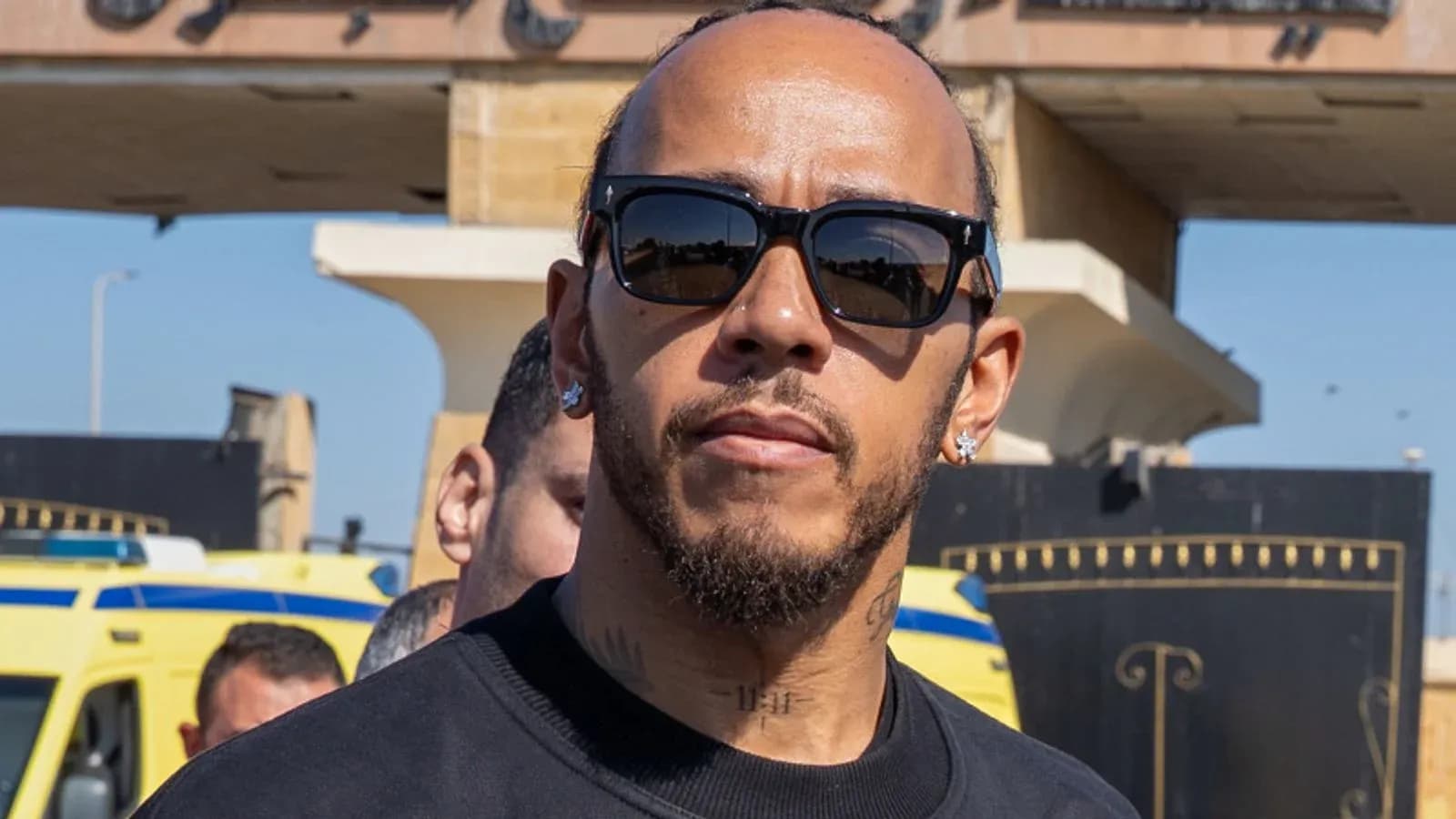
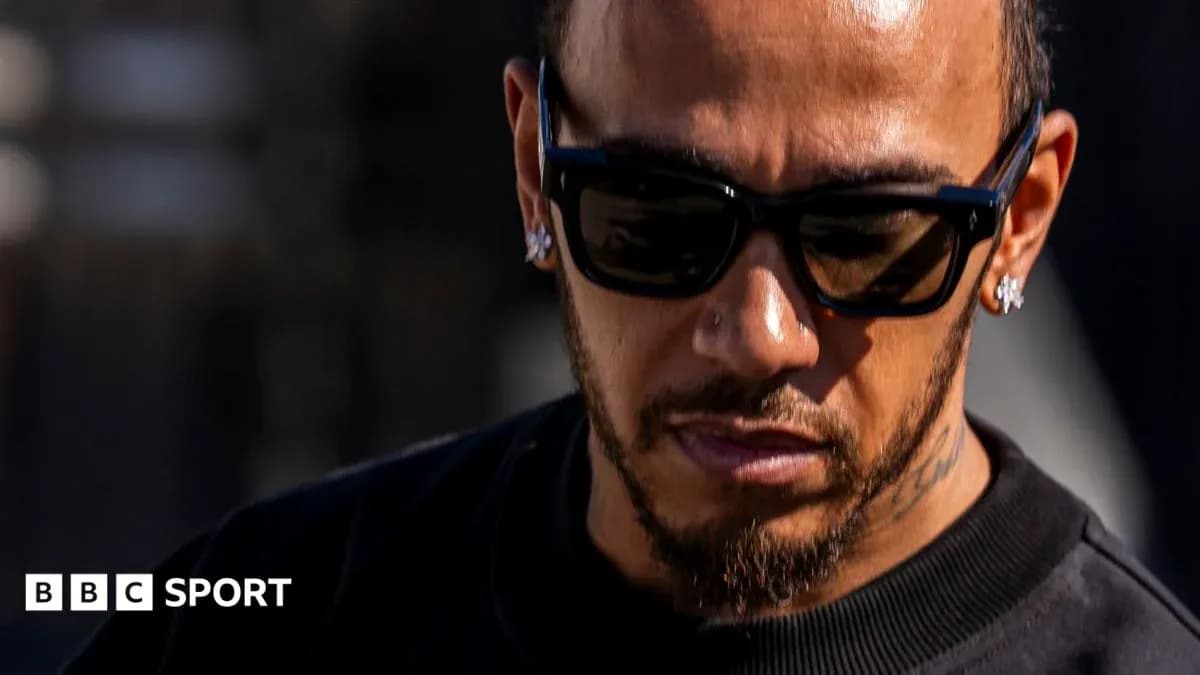
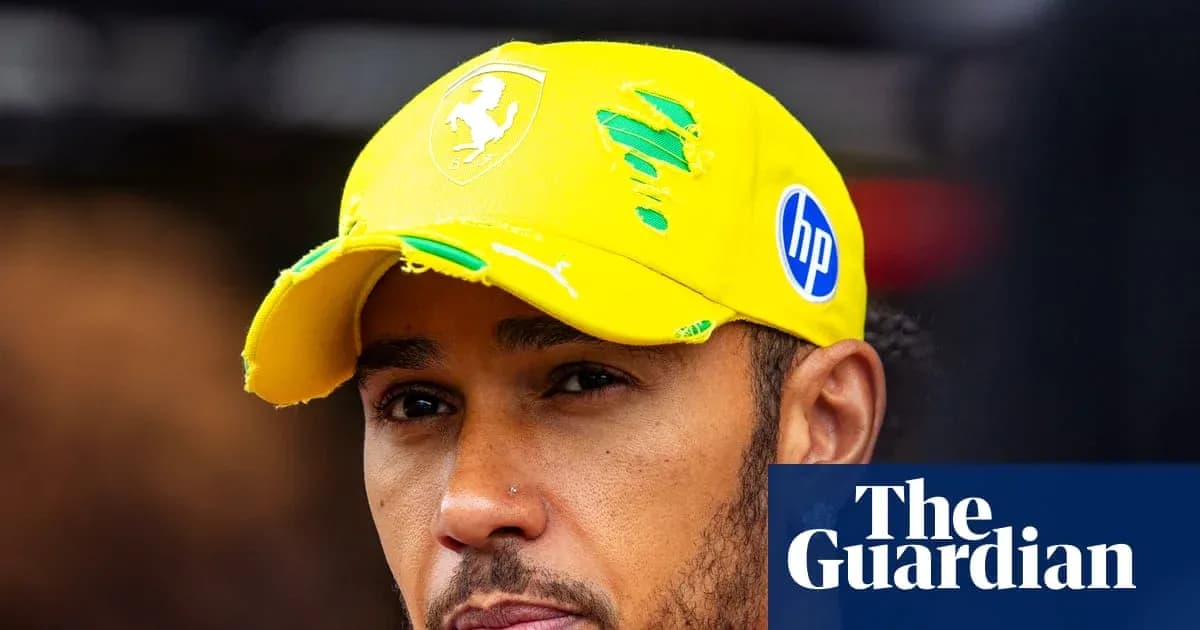
Lewis Hamilton, still shaking off the Sao Paulo GP and already eyeing Las Vegas, stepped away from the cockpit this week and straight into one of the world’s most fraught frontiers.
On Tuesday, the seven-time Formula 1 world champion travelled to Egypt to see first-hand the aid effort at the Rafah border crossing, the narrow gateway for humanitarian supplies into Gaza. The Ferrari driver toured the crossing itself and the Egyptian Red Crescent’s warehouses, where food, medicine and basic essentials sit in limbo while a fragile, US-backed ceasefire between Israel and Hamas fails to stop the bombing – or the hunger.
The UN World Food Programme says two-thirds of Gaza’s population are struggling to get enough to eat. Hamilton came away with a blunt message.
“Israel needs to fulfil its obligations under the ceasefire and let the aid trucks in. No excuse,” he wrote on Instagram, calling the past three years of what he described as Israel’s “genocide in Gaza” “appalling”.
This was not a fleeting celebrity drop-in. Hamilton has spoken before about peace in the region, but Rafah appears to have hardened his tone. He described seeing walls “stretching for miles, built to keep them in,” and said standing outside what “felt like an open-air prison” left him thinking only about “getting in to help”.
The images that stuck with him were not abstract. They were specific, practical, and, in his eyes, senseless.
At the crossing, he saw food trucks lined up, engines off, drivers waiting. The first driver he spoke to had already been there for more than 12 hours, Hamilton said, stalled by the same delays that have plagued the flow of aid for months. At a nearby logistics centre, he watched aid workers sorting and preparing supplies, but also saw what never makes it through.
- Sleeping bags.
- First-aid kits.
- Medical equipment.
- Wheelchairs.
- Even footballs for children.
All, he said, rejected for what he called “crazy reasons”.
The pressure, in his view, sits squarely with Israel. While the ceasefire has reduced some fighting, it has not halted Israeli strikes in Gaza, and Hamilton accused Israeli authorities of denying people “their freedom, their safety and their dignity”.
“It’s an injustice for people to be denied their freedom, their safety and their dignity. No human being should be treated as though their life matters less,” he wrote, adding that he does not want the world to “get used to their suffering” or “look away”.
Israel’s Prime Minister Benjamin Netanyahu pushed back on Wednesday, denying that Israel is delaying aid and instead blaming Hamas for the worsening conditions in Gaza. He accused the group of refusing to disarm and of seizing supplies for military use, insisting that Israel is not the obstacle.
The clash in narratives is stark. On one side, a global sporting icon describing trucks at a standstill and basic items turned back at the gate. On the other, a government insisting the choke points lie elsewhere.
For Hamilton, the trip to Rafah fits a broader pattern. In 2021 he launched Mission 44, a charity focused on supporting young people and improving access to education and employment. He has repeatedly aligned himself with humanitarian causes and efforts to support people caught up in conflict, using his platform to push beyond the paddock.
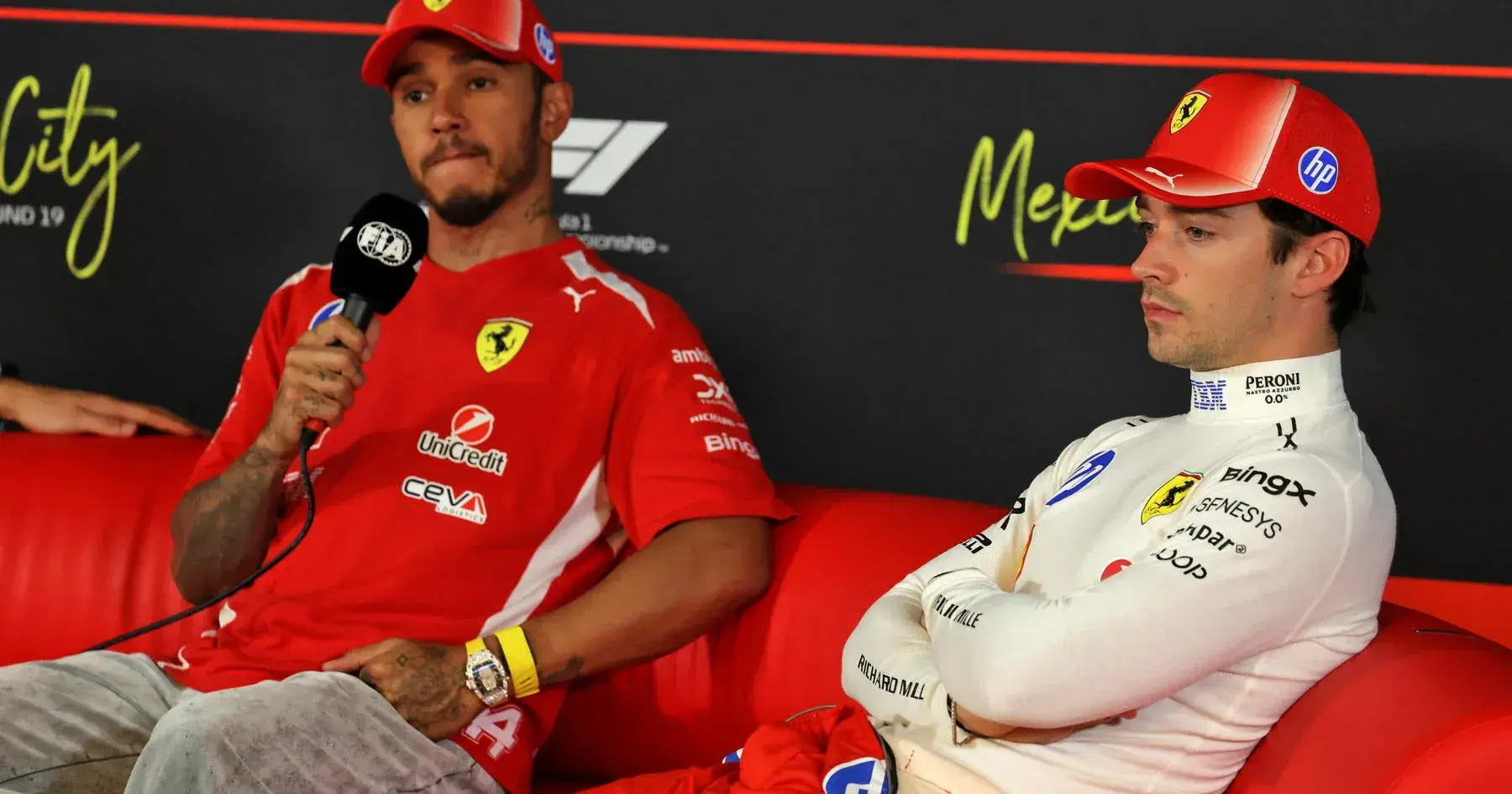
This time, the detour came between two of Formula 1’s most high-profile weekends. After finishing ninth at the Sao Paulo GP, Hamilton flew not to a simulator or a sponsor event, but to a border defined by barbed wire and concrete. His next stop is the Las Vegas GP, where he will race for Ferrari, with Practice 1 scheduled for Friday, November 20.
In a sport built on speed, Hamilton chose to spotlight people stuck waiting in line for half a day just to move a few metres closer to those in need. The question now is whether anyone with the power to open those gates is really listening.