Lewis Hamilton's Warning to Ferrari: Time is Running Out for Title Hopes
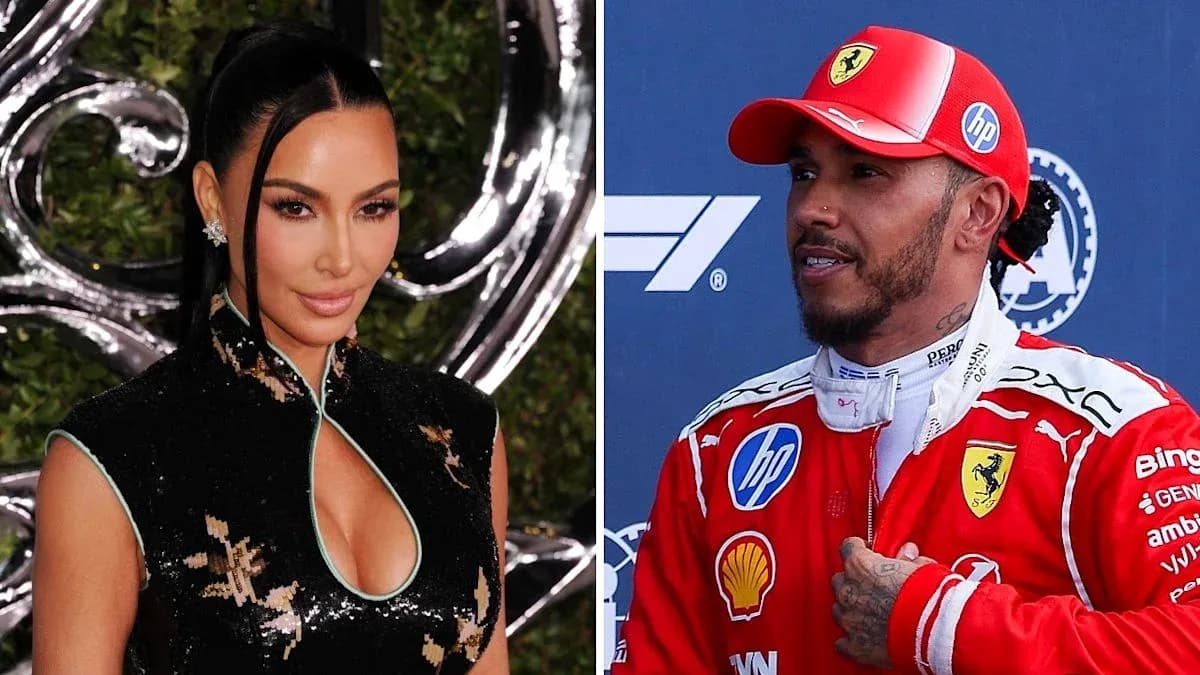
Lewis Hamilton believes Ferrari is gambling with its fading 2026 title hopes by refusing to put its full weight behind his campaign over Charles Leclerc’s.
The seven-time champion sits 59 points behind Kimi Antonelli in the standings, with a 28-point cushion over Leclerc. Antonelli starts from the back at Monza due to engine penalties, a rare opening in a season largely controlled by Mercedes. Hamilton’s message is clear: Ferrari cannot afford to waste chances, and right now he feels it is.
Hamilton’s patience wears thin
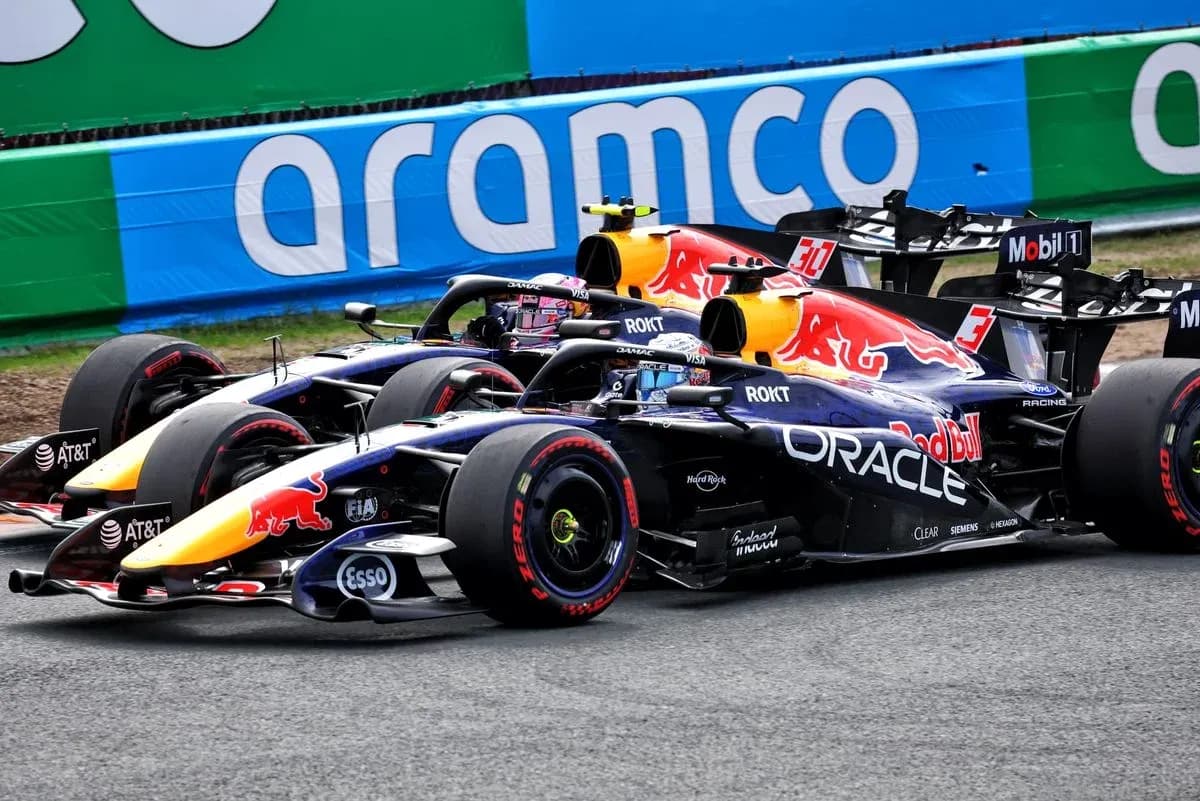
This has been brewing since Zandvoort. Hamilton left the Netherlands frustrated that Ferrari’s race execution did not reflect his status as the lead title contender, drawing a pointed comparison with how Mercedes structured its strategy around Antonelli and George Russell.
Monza qualifying only sharpened that feeling.
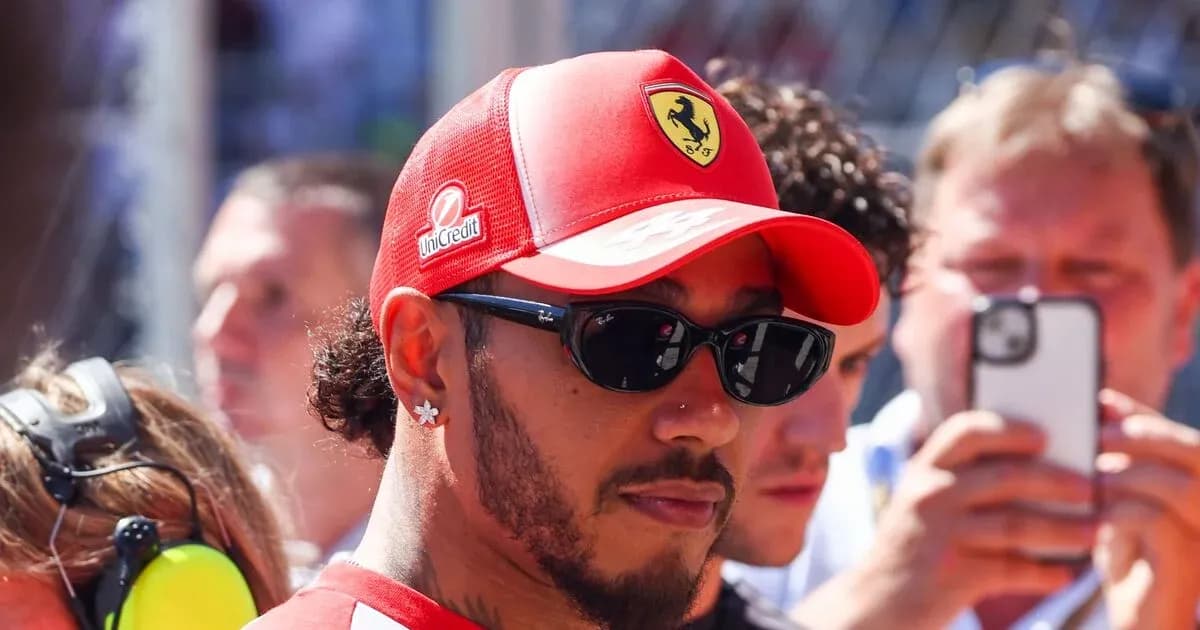
Hamilton ended up fifth on the grid, one place behind Leclerc, but the result told only part of the story. As he replayed the session, there were long pauses, unfinished sentences, and a repeated reminder of the scale of the task in front of him.
“We're at a point in the year where 59 points is a huge – huge – deficit to recover from, especially when Mercedes continue to be the leaders in speed. So yeah, we do have to work as a team,” he said, before trailing off when the subject turned to whether that teamwork has really been there.
The implication hung in the air.
Slipstream politics at Monza
Ferrari had already agreed that Hamilton would have priority this weekend on qualifying order relative to Leclerc. At Monza, where the slipstream is worth more than almost anywhere else, that meant Hamilton chose to run behind his team-mate.
Leclerc acknowledged the arrangement on Thursday but was clear about the limits. He said he did not expect Ferrari to “compromise” his own qualifying and was prepared to tow Hamilton while picking up a slipstream himself from a rival car.
That balance – between cooperation and self-preservation – sat at the heart of Hamilton’s irritation when qualifying was over.
He came perilously close to missing Q3 altogether, scraping through Q2 by just 0.001s over Gabriel Bortoleto. Hamilton pointed directly at how the run plan had been bent around Leclerc’s preferences.
“We were supposed to do a push-cool-cool-push. But because everyone was waiting and Charles didn't want to go out first, we had to wait-wait-wait. And then we only got one push. And, yeah, it made it pretty challenging for us,” he explained.
For a driver chasing a title outsider’s miracle, that kind of compromise stings.
Q3 misfire and a broken rhythm
If Q2 was tight, Q3 was simply messy.
Ferrari’s plan was for Hamilton to sit right behind Leclerc on both runs, maximising the tow. Instead, on the first attempt, the team released Hamilton too late. He ended up circulating alone, a third of a lap behind most of the field and with no slipstream at all.
“I didn't have any wheels on the car basically and everyone left whilst my engine was running,” he said, painting a picture of a driver stranded in the garage as the session moved on without him.
The knock-on effect carried into his final run.
“And that just put me out of rhythm because when you're following another car, when you're in that tow, you arrive much faster so the braking zones are different. And then when you're on your own, you lose the tows. A lot of time lost in the tows.”
At Monza, that is the difference between a front-row start and damage limitation.
Teamwork, Alpine-style
The questions from Zandvoort about teamwork and strategy have clearly not gone away. When asked what had been discussed inside Ferrari since then, Hamilton paused for a long time and never really addressed it head-on.
Instead, he reached for an example from elsewhere.
“What I can say is, Pierre [Gasly] did a great job of… clearly, looking from a distance, it looked like they [Alpine] worked really well as a team.”
It was a pointed comparison. Alpine, a team with none of Ferrari’s resources or expectation, looked cohesive. Hamilton, in red, did not feel the same unity.
A dimming light and a political problem
Asked whether Ferrari needs to throw its weight behind the lead driver while there is still a “sniff” of the title, Hamilton didn’t hesitate on the stakes.
“There's light at the end of the tunnel, but it's getting dimmer the further we get through,” he said. Mercedes keeps stretching its legs at the front, and every operational misstep at Ferrari makes the climb steeper.
Hamilton made a point of praising the factory effort.
“The team's doing an amazing job in bringing upgrades and pushing us forward, I'm so proud of everyone working… I couldn't do what I do without seeing the great work of everybody, and I feel like I always want to make sure that I acknowledge them and recognise them for that, because I want them to continue to push and I want them to stay hungry and keep that passion and fire.
“But also at the track, we need to come correct and act accordingly to make sure we get the result we need.”
That last line cut through the compliments. The car is improving. The race team, in his view, is not matching that level often enough when it matters.
Ferrari, though, faces a familiar dilemma. Leclerc is tied down on an even longer-term contract and remains central to the Scuderia’s future. Asking him to step back and serve Hamilton’s title bid now would be a hard sell, both politically and emotionally.
The maths offers Leclerc cover. Around 283 points are still available this season. With that volume still on the table, he can reasonably argue that his own championship hopes are alive, especially given how closely matched he and Hamilton have been in qualifying across the year.
So Ferrari stands on the tightrope: two drivers, one fading shot at a title, and a Monza weekend that has already exposed the cracks in how that balance is being managed.
At some point, the team will have to decide whether it wants harmony, or a genuine tilt at Antonelli.