Lewis Hamilton's Ferrari F40: A Timeless Masterpiece
There are fast cars, beautiful cars, even legendary cars. Then there are the ones that get under a driver’s skin and stay there.
For Lewis Hamilton, that car has always been the Ferrari F40.
Long before seven Formula 1 world titles, before the move that finally took him to Maranello, the F40 was the machine that distilled everything Ferrari meant to him as a boy: the noise, the danger, the romance, the sheer audacity of a scarlet missile built for the road.
A time capsule on four wheels
The F40 that ultimately became Hamilton’s is not just any example. It is a 1991 car with a backstory that borders on the unreal.
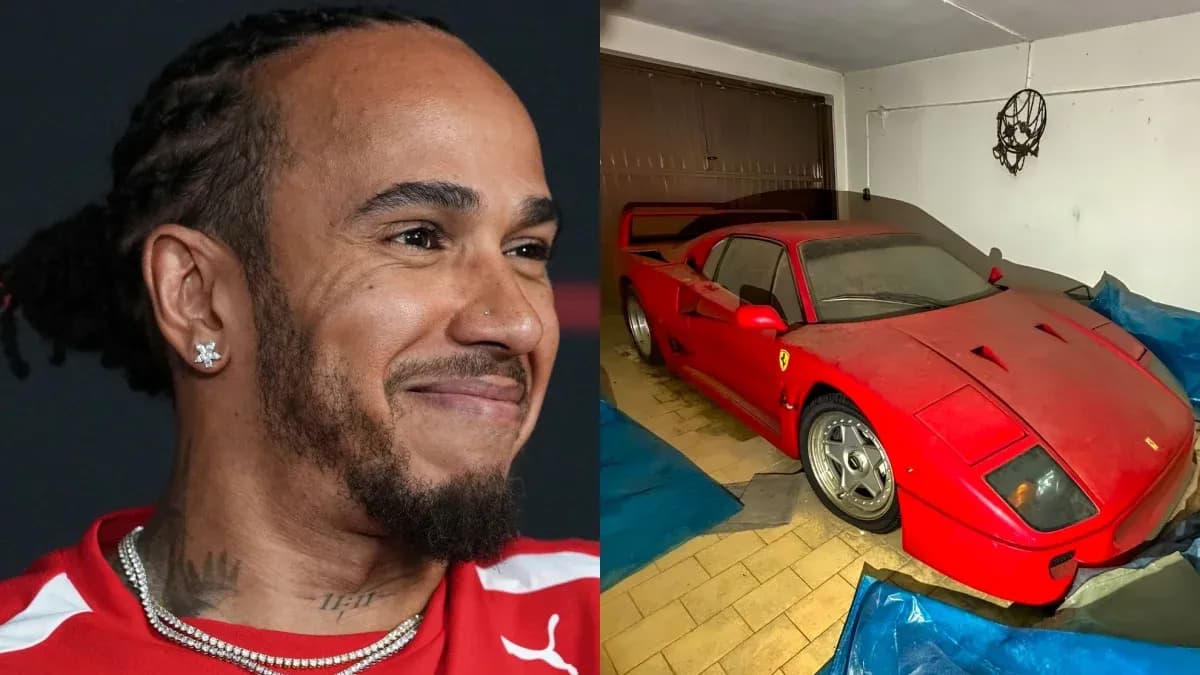
Tracked down in late 2025 by Azimut Automobile Heritage Enhancement, an investment fund that specializes in automotive icons, the car had effectively vanished from the world almost as soon as it entered it. Delivered new, then pushed into a private garage within days, it sat there for roughly 35 years.
Not driven. Not dismantled. Not modified. Not restored.
It still showed delivery mileage. According to Azimut AHE, not a single screw had ever been turned. Dust, dirt and dead insects collected across the body and grille, but the conditions were so kind that the original red paint and factory finish survived almost untouched — a frozen moment from the early ’90s.
This was not a used supercar. It was a time capsule.
The one car he wouldn’t sell
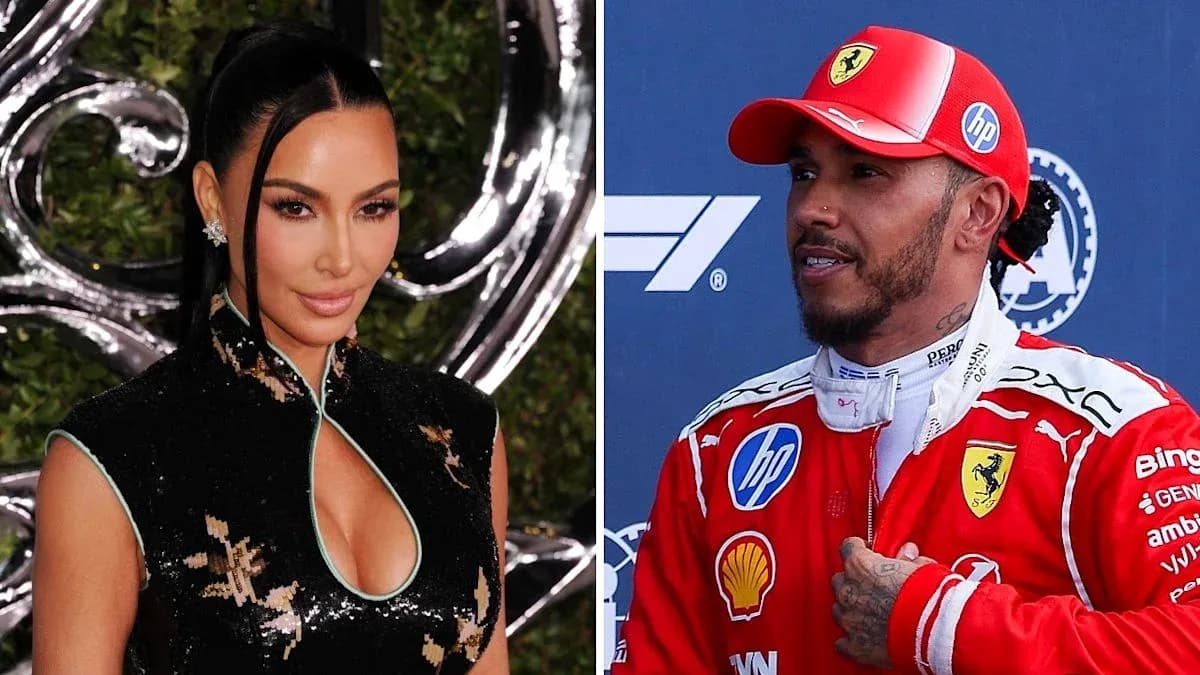
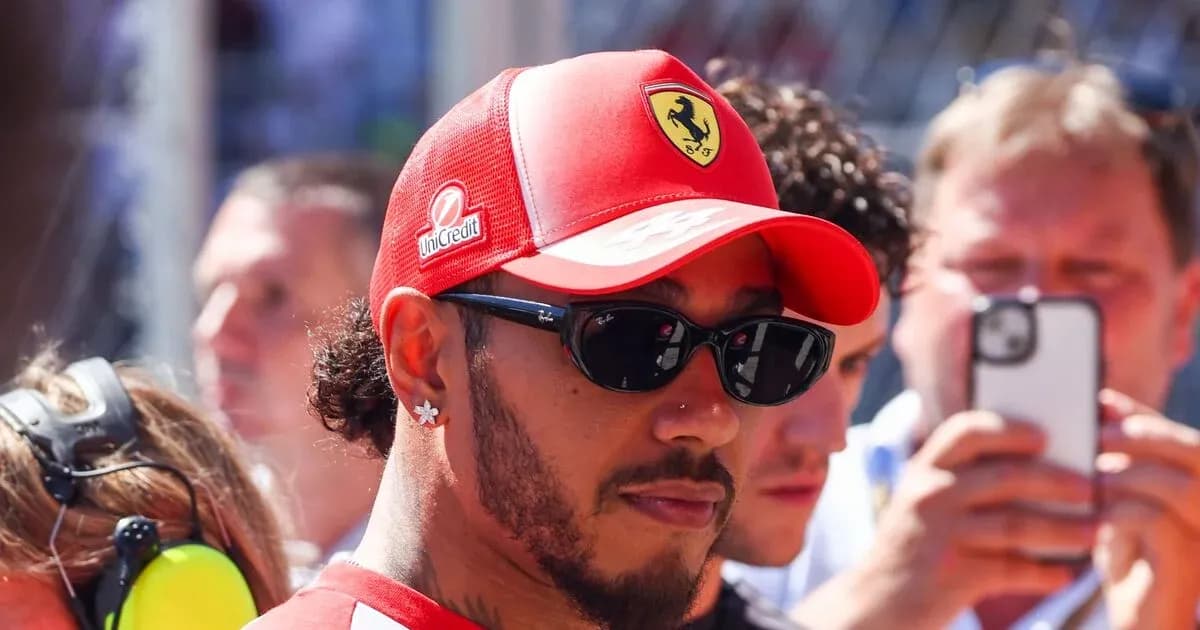
When Hamilton arrived for his first official day as a Ferrari driver at Maranello in January 2025, he made sure the symbolism was impossible to miss. Parked beside him for the photo that announced his new era was an F40, the poster car of his childhood, now the centerpiece of his reality.
Months later, he stunned the car world by revealing he had sold his entire multimillion‑dollar collection. The reason, he said, was a growing passion for art. Cars, even the rarest ones, no longer held the same pull.
Except one.
The F40 stayed. In his eyes, it was not just a machine but a work of art in its own right — a rolling sculpture from the most romantic chapter of Ferrari’s history.
By then, Azimut AHE had already secured the remarkably preserved 1991 example that would become his. The dust-covered, untouched survivor was passed into Hamilton’s hands and, fittingly, sent back to where it truly belonged: Maranello.
Maranello brings the beast back
Ferrari’s own engineers and mechanics took over, treating the car with the kind of reverence usually reserved for museum pieces and championship-winning race cars.
They stripped out major components, including the engine, and spent weeks coaxing the car back to life. Every decision came with a balancing act: restore its ability to run hard and safely, but don’t disturb the originality that made it so special. Clean, but don’t erase. Renew, but don’t rewrite.
The goal was not to create a “better” F40. It was to wake up the exact car that had been put to sleep three and a half decades earlier.
When the work ended, the result was what Hamilton had always dreamed of: an F40 that still looked and felt like a factory-fresh relic from 1991, but one that would fire on command and move with purpose.
Hamilton, the F40 and the streets of Maranello
Now the car is out in the open again, and the image feels almost cinematic.
Hamilton sits behind the wheel of the scarlet F40, easing along a narrow two-way road around Maranello. This is not a racetrack. There is no run-off, no grandstand, no timing screen. Just traffic, pedestrians, and the low, raw thrum of a 2.9‑liter twin‑turbocharged V8 turning over beneath a featherweight shell.
A motorcyclist draws alongside, offers a quick greeting. Hamilton answers, then rolls on, the car’s presence doing the rest of the talking.
People begin to realize who it is, what it is. Phones go up. Cars slow. Heads turn. The F40’s silhouette — the knife‑edge nose, the gaping vents, the towering rear wing — still cuts through the modern landscape like something from another planet. The sound, harsh and unmistakable, fills the gaps between buildings.
He cannot unleash its full violence here. The five-speed manual gearbox, the 478 horsepower, the claimed 201 mph top speed — all of that remains locked away on this gentle run through town. But it doesn’t matter. The car doesn’t need speed to dominate the scene. It only needs to exist.
For the locals, it is a flashback. For Hamilton, it is something else: a childhood dream made real, idling through the streets of the factory that now defines the next chapter of his career.
The last word of Enzo
The F40 carries a weight that goes beyond nostalgia. Introduced in 1987 to mark Ferrari’s 40th anniversary, it became the final road car approved during Enzo Ferrari’s lifetime. It was his last word on what a Ferrari road car should be: brutal, uncompromising, unapologetically focused on performance.
No driver aids. No luxury padding. Just carbon, Kevlar, turbo lag and nerve.
Now, one of the purest surviving examples of that vision belongs to the man tasked with leading Ferrari into its next era in Formula 1.
Hamilton has called the F40 a work of art. On the streets of Maranello, with the V8 alive again and the crowd leaning in, it looks very much like the piece that finally completes the gallery.