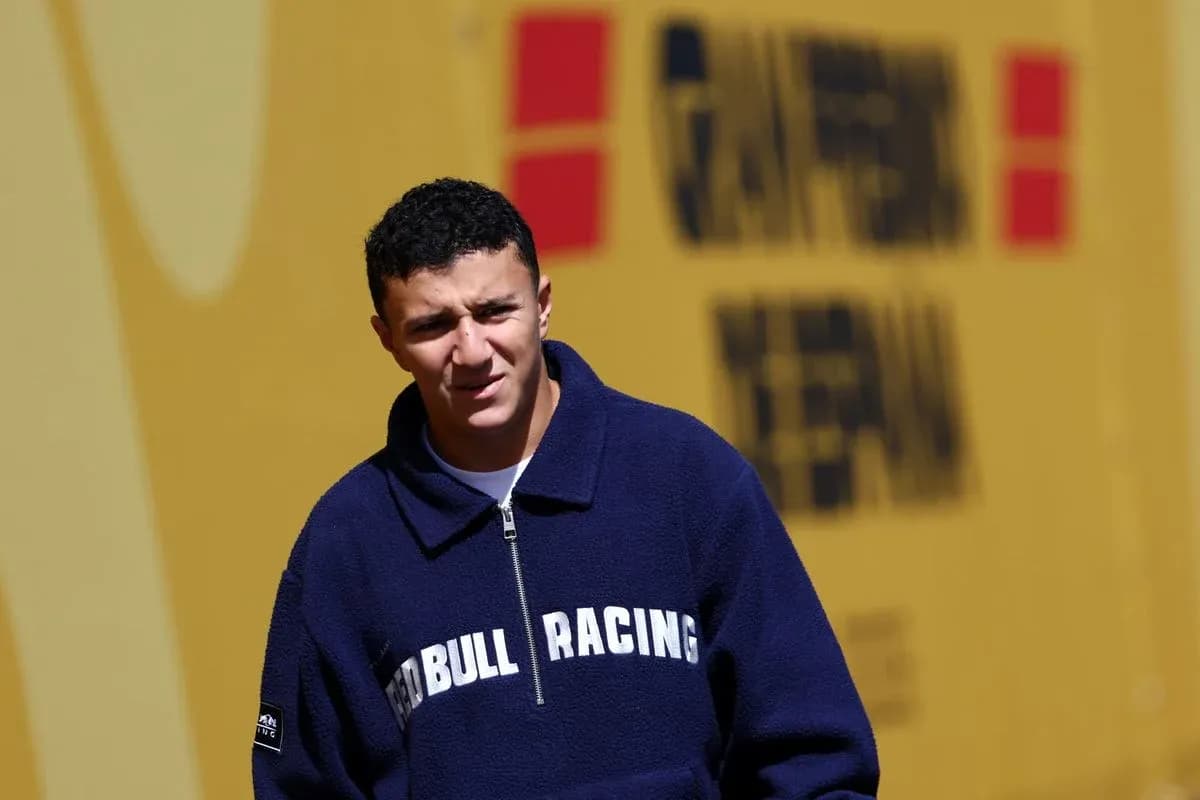
Leclerc and Hamilton: A Unique Rivalry at Ferrari
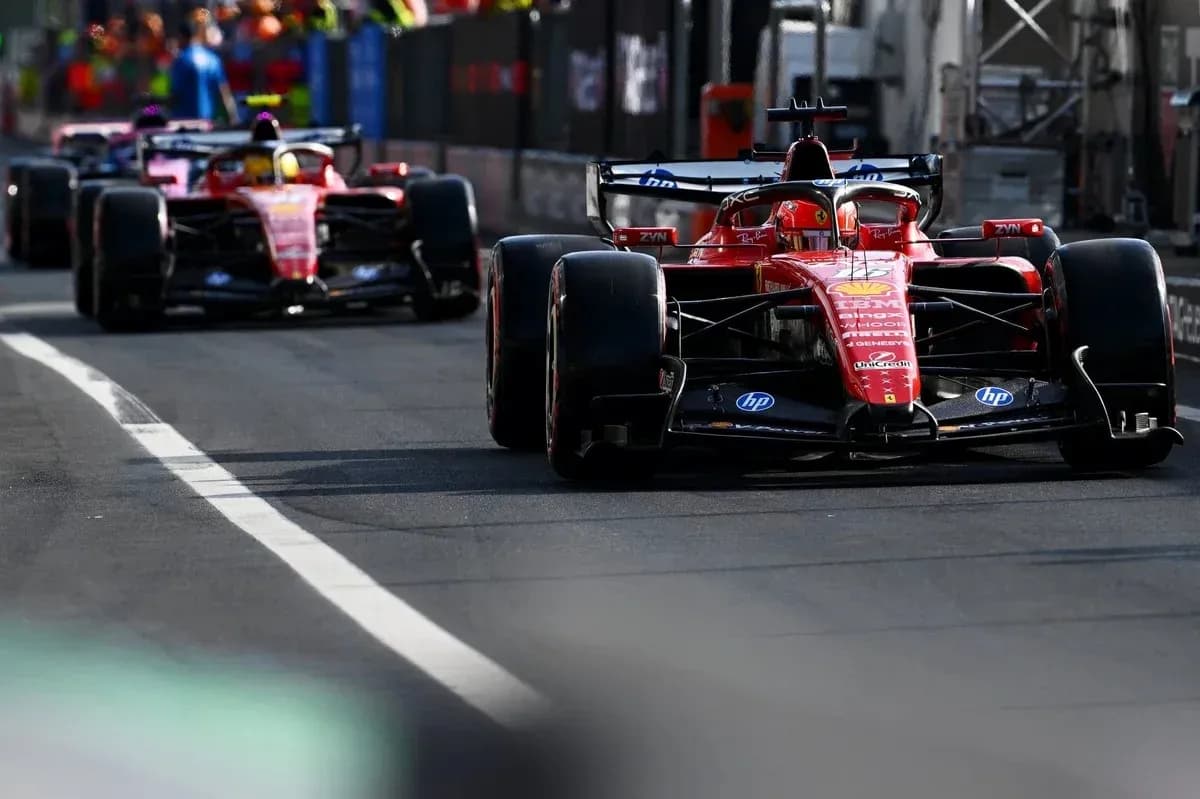
At Monza, the noise was familiar. The story wasn’t.
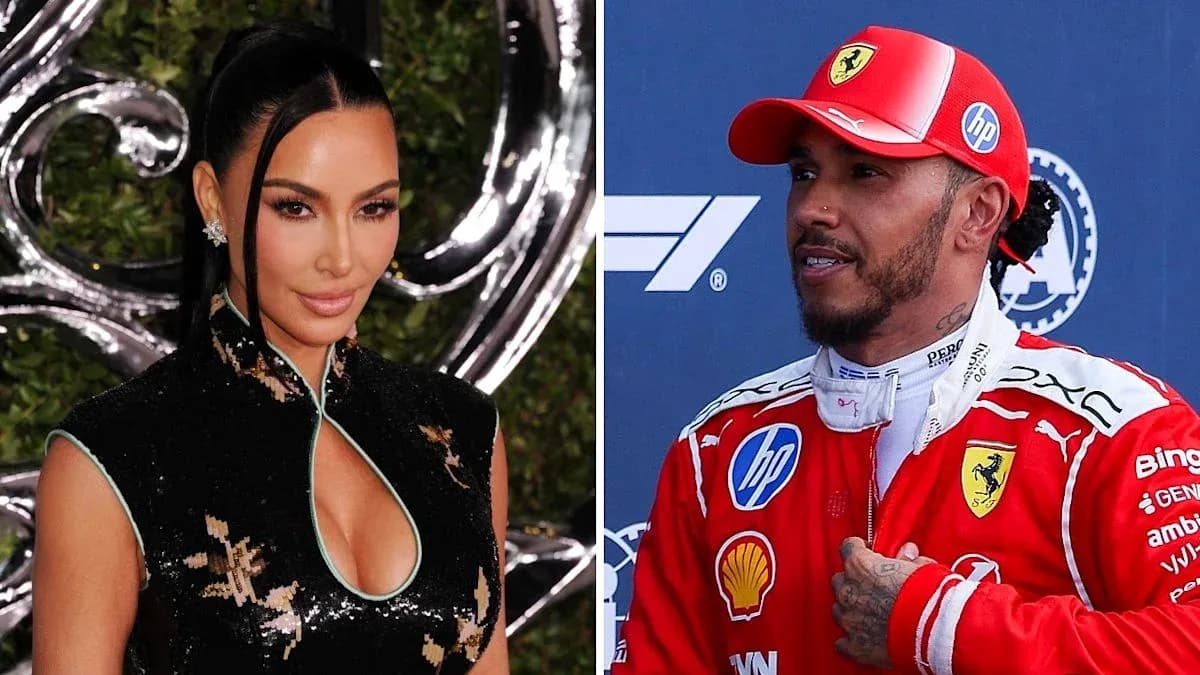
Charles Leclerc and Lewis Hamilton brushed up against each other competitively and politically on Sunday in a way Formula 1 has seen a thousand times before. Two elite drivers, one garage, one crest on the overalls. Yet this particular skirmish between Ferrari’s star pairing carries a strange aftertaste. The usual motive is missing.
Team-mate wars in F1 history have almost always had a clear, brutal logic. Ayrton Senna against Alain Prost at McLaren. Nigel Mansell against Nelson Piquet at Williams. Mark Webber against Sebastian Vettel at Red Bull. Nico Rosberg against Hamilton at Mercedes. Those were not just personal duels; they were title fights disguised as civil wars.
The pattern was simple. When the car is good enough to win a world championship, the man on the other side of the garage becomes the enemy. Your biggest obstacle is not a rival in a different colour, but the driver parked ten metres away.
Look at the modern template: Hamilton and Rosberg. In 2013, Hamilton’s first season at Mercedes, the W04 was fast but flawed. Hamilton took one win, Rosberg two. The title was never truly on the table, and the relationship stayed warm. Two old karting friends, dinners in Monaco, a shared project still in its hopeful phase.
Then came 2014 and the first of Mercedes’ dominant hybrid machines. Overnight, the stakes changed. So did the friendship. Pizza nights gave way to cold stares and radio barbs. The biggest prize in the sport was suddenly between them, and the rest of the grid became background scenery.
Nothing about Ferrari’s current situation fits that script.
Leclerc and Hamilton are not fighting for a world championship. Not this year, not with this car. Ferrari can talk about ambition, about pushing to the end, about maximising every opportunity. The numbers tell a harsher truth. The SF-24 is quick enough to haunt Red Bull on the right Sunday, but not to sustain a title campaign. The story of the season has already written that line.
There is no contract battle either. No looming negotiation, no uncertain future to weaponise. Both drivers are locked in through 2027. Both are paid at a level that made one paddock joke at Monza land badly: this is not a case of two men fighting over crumbs.
And that is the crux. Ferrari do not employ Hamilton and Leclerc to win arguments. They employ them to win for Ferrari. These are not rookies clawing for relevance or journeymen scrapping to stay on the grid. They are established, heavily rewarded leaders, from whom you expect an instinctive awareness of the team’s bigger picture – particularly when the title is out of reach.
Hamilton has lived through a bruising spell. He spent the whole of 2025 swallowing frustration as Leclerc outperformed him consistently, race after race. For a seven-time world champion, that cuts deep. Now that he has rediscovered his rhythm and results, the chance to remind everyone – including the driver in the other red car – who he is and what he can still do must feel irresistible.
Leclerc, for his part, came out of last season with his status inside Ferrari significantly enhanced. He had beaten Hamilton over a full campaign and looked every inch the reference point in red. Twelve months on, the picture has flipped. Hamilton sits comfortably ahead of him in the standings, and the internal balance of power has shifted again.
This is where team-mate rivalry usually burns hottest: when reputations are on the line. But that dynamic tends to belong to the midfield. There, a single podium can define a year. A qualifying lap in the wet can save a career. Beating your team-mate becomes an obsession because it might be the only line on your CV that matters when contracts are discussed.
Ferrari’s situation is different. Leclerc and Hamilton are not fighting to keep a seat. They are not auditioning for a promotion. They are the promotion. Which makes the sharp edge to their duel at Monza harder to justify.
Now the responsibility lands squarely on Frédéric Vasseur’s desk.
Ferrari’s team principal had already brought both drivers into his office before the race at Monza, a pre-emptive attempt to set boundaries and expectations. The events of Sunday suggest that conversation will need a sequel – and a firmer tone.
The principle is brutally simple: the team comes first. Always. Especially when the prize is not a world championship but points, podiums and pride. A rivalry can sharpen a team, force everyone to raise their game, drag mechanics and engineers to a higher standard. It can also fracture a campaign when it spills into self-harm.
Ferrari cannot afford the latter. Not this year, not in this phase of their rebuild. The car is not dominant enough to absorb internal chaos. The margin for error against Red Bull and the rest is already thin.
When a title is on the line, teams sometimes tolerate the fire, hoping the blaze lights the way to glory. When there is no crown at stake and the same fire starts burning the furniture, it stops being an asset and becomes just another problem.
And right now, Ferrari already have plenty of those without adding a civil war between cars 16 and 44.