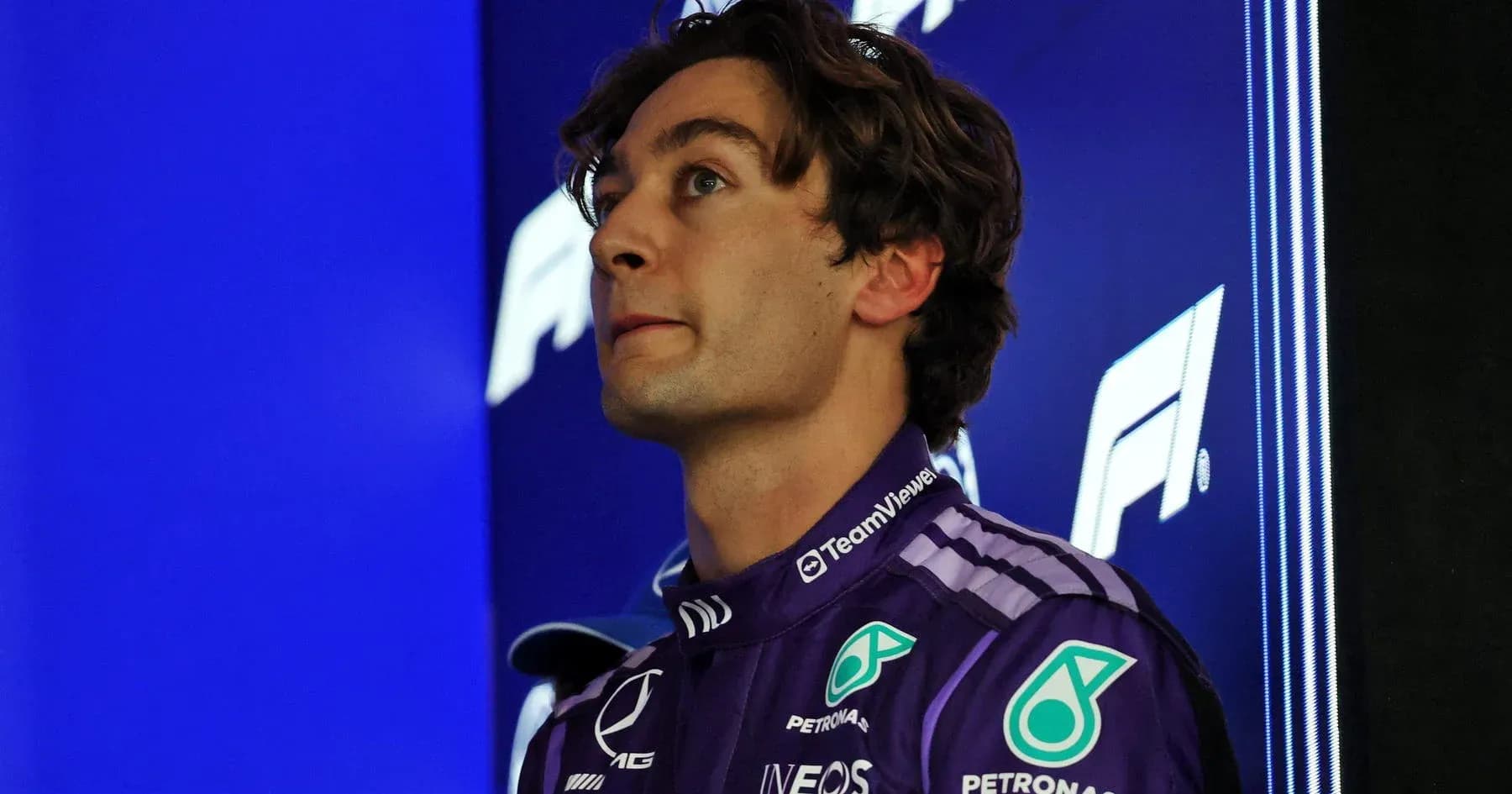
Lawson’s Stellar Performance Challenges Racing Bulls’ Future Line-Up
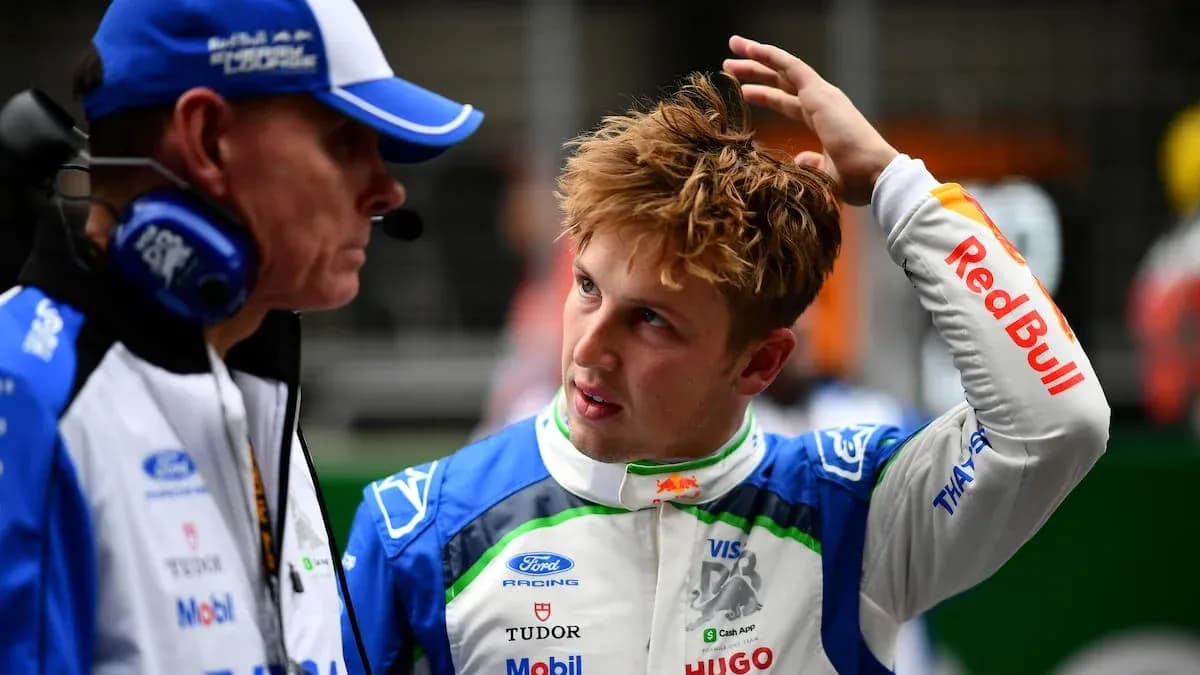
Liam Lawson is doing everything a young driver can to make himself unsackable. The numbers are blunt: he has carried the bulk of Racing Bulls’ 106-point haul this season, dragging the team into a fierce scrap for fifth in the constructors’ championship – and the estimated $180 million windfall that comes with it. For this outfit, it would be the best finish in their history.
Yet the louder Lawson’s results become, the quieter the team stays.
There is still no announcement on Racing Bulls’ future line-up, and the paddock rumour mill keeps churning out the same uncomfortable scenario: Lawson out, Nikola Tsolov in at the end of the season. Performance on one side, potential on the other – and a decision that could define the next era of Red Bull’s junior programme.
Kravitz Voices the Paddock’s Dilemma
The tension around that call spilled into public view at Interlagos. Sky Sports’ Ted Kravitz, never shy of saying what many are thinking, bumped into Racing Bulls’ seasoned sporting director Alan Permane after qualifying and let his disbelief show.
“They can’t sack him now, can they?” Kravitz said as Permane walked away.
Kravitz laid out the case in simple, brutal arithmetic. He pointed out that Lawson had scored 24 points in the last four races alone and had just qualified third on the grid in a Racing Bulls – a car nobody tipped for the front row fight when the season began. How, in that context, do you justify showing him the door?
Then came the hypothetical that cut to the heart of the debate. Even if Tsolov were some impossible hybrid of Max Verstappen, Ayrton Senna, Lewis Hamilton and Fernando Alonso, Kravitz argued, where is the urgency to throw Lawson aside? Why not give Tsolov another year to settle as a reserve, to log every FP1 session available, to sharpen himself in another racing series tailored to his development?
The message was clear: there is no need to rush the next big thing when the current one is delivering.
Permane Explains the Delay
Permane, whose own contract extension was confirmed this week, knows the decision sits heavily on his desk. Speaking to media on Saturday (NZT), he pulled back the curtain slightly on Racing Bulls’ thinking – and on how Red Bull’s famed young driver system is being reassessed from within.
“I’m not going to give you a date,” he said, refusing to be pinned down on when the 2027 line-up will be confirmed. He praised Red Bull’s “very successful young driver programme” but acknowledged the criticism that has followed it for years: some drivers never truly get time to breathe.
“I don’t want to be critical of it, but I think if [media] are critical of it, maybe sometimes drivers haven’t been able to have enough time to settle,” Permane said. “Some snap decisions have been made.”
That line matters. Snap decisions have defined careers in this system, for better and worse. Permane is determined to break that habit.
“We’re trying to apply a little bit of science, and that takes some time. We’re looking at everything and studying, analysing,” he explained. “Time is on our side. We’re not in a rush to do anything. I’m very confident the right decision will be made.”
It is a calm, methodical tone in the middle of an emotional debate. He knows the delay is fraying nerves.
“I realise it’s frustrating for our drivers, I realise it’s frustrating for everyone else. But we want to get it right – we will get it right. I’m sure when we announce it in the coming weeks, everyone will be happy.”
That is a bold promise in a scenario where, by definition, someone loses a seat.
Mexico, Interlagos and the Weight of Evidence
If Permane wants data, Lawson keeps handing it to him. At the Mexico City Grand Prix, Lawson started from the pit lane, carved his way through the field to ninth at the flag, and then benefited from post-race penalties to be classified seventh. It was the sort of drive that teams remember when contracts are on the table: disciplined, opportunistic, and relentless.
Racing Bulls chief executive Peter Bayer certainly noticed. After Mexico, he publicly pointed to Permane as the man who will make the final call on the line-up, underlining just how much influence the veteran engineer now wields inside the organisation.
Interlagos only strengthened Lawson’s argument. Third on the grid in a midfield car is the kind of headline that sticks, especially when your team is chasing its best-ever constructors’ finish and a financial jackpot that could reshape its future.
That is the paradox Racing Bulls must solve. The driver delivering now might be the one squeezed out to make room for the next project.
Permane insists the team will apply science, not sentiment. Lawson, with every lap, is doing his best to ensure the data leaves no room for doubt.