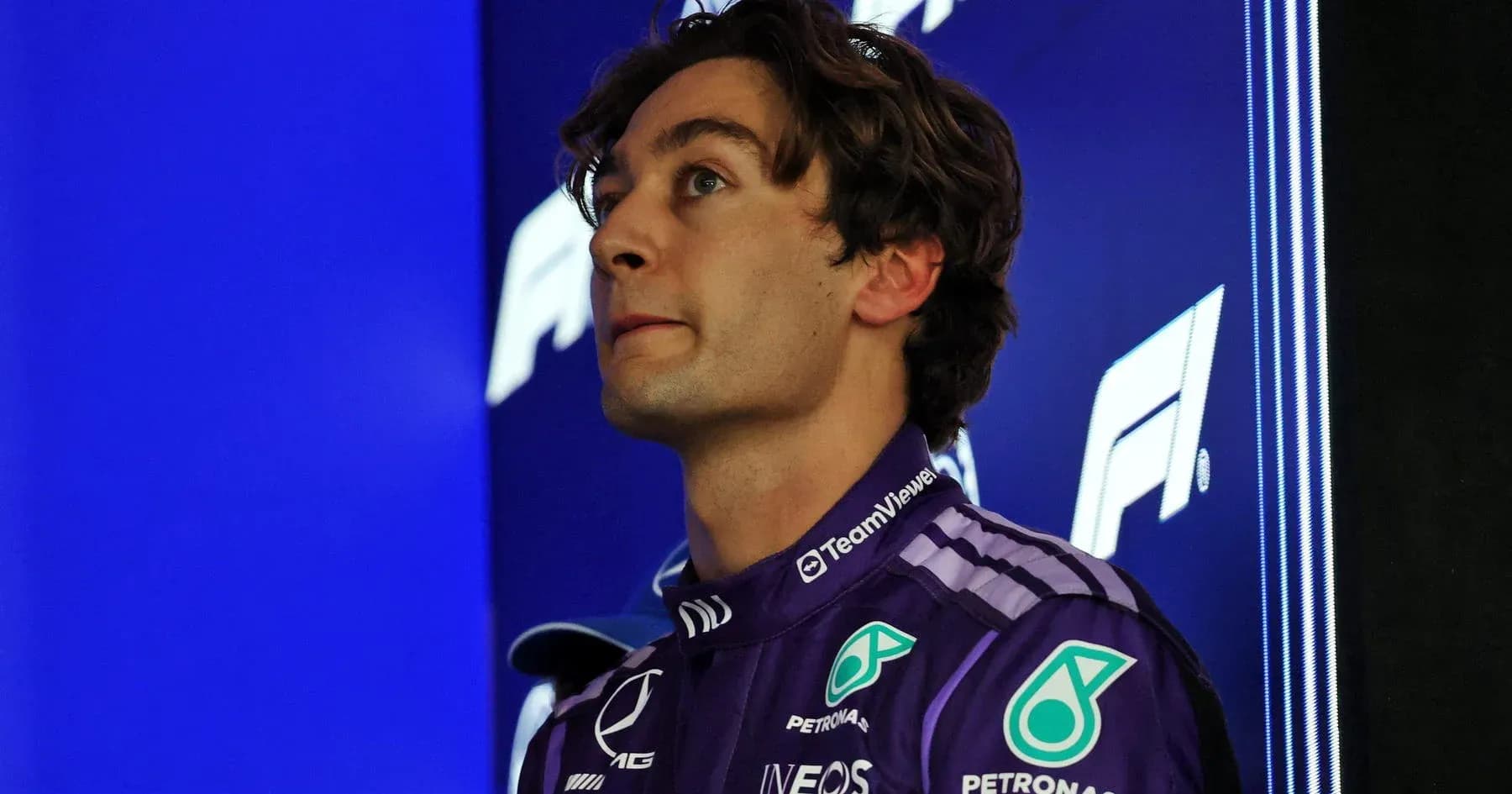
Lando Norris: A Rising Star in Wet-Weather Racing
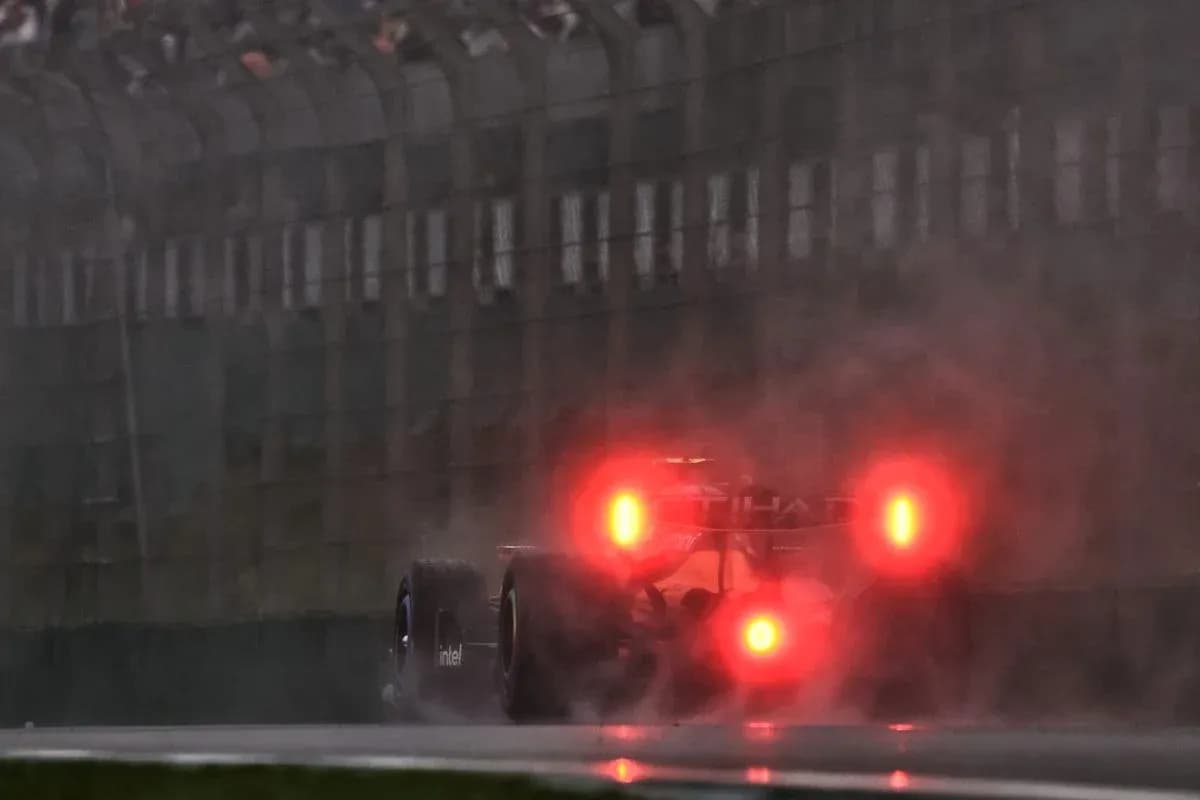
Lando Norris has lived with the Sochi label for three years. The kid who cracked in the rain. The nearly man who let his first Formula 1 victory slip through his fingers.
It’s a lazy memory.
Sochi 2021 did expose a McLaren weakness, but not the one people like to recall. Norris didn’t melt in the wet. He danced on it. He read a treacherous track better than most, found grip where others tiptoed, and was on course to win until that brutal second band of rain turned the race into a strategic coin toss. One call – and the lack of support behind it – burned the result into folklore for all the wrong reasons.
Fast forward to Interlagos and the Brazilian Grand Prix. Same genre of race. Very different ending.
A wet-dry masterclass
From pole in a wet-dry-wet thriller, Norris stitched together the kind of victory that underlines why insiders rate him so highly when the clouds roll in. This wasn’t a lights-to-flag cruise. It was a victory built on judgement, feel, and the kind of calm aggression that separates specialists from survivors.
He had some luck. Every great wet win usually does. George Russell tripped over Alex Albon’s Williams in Q3, losing a shot at pole. Kimi Antonelli, who had set the early race tempo, faded as the conditions and demands of the race shifted away from him. Norris didn’t need to dominate every lap; he just needed to be there when it mattered.
He was.
There were phases when the McLaren wasn’t the outright quickest car on track. That never really mattered. When the circuit hung in that awkward no-man’s land between slicks and intermediates, when every corner felt like a question, Norris answered louder than anyone else. That’s where he built this win – in the margins, on the knife-edge.
It was a performance cut from the same cloth as Sochi. Only this time, the narrative matched the driving.
A growing wet-weather résumé
Interlagos joins a growing list.
Norris now has four victories in rain-affected grands prix. Zandvoort this year sits on the fringes of that category – the track merely damp in places at the start – but it still demanded judgement on a surface that punished overconfidence. Add in his 2024 poles in China’s sprint and the Brazilian Grand Prix, both earned in changing conditions, and a picture starts to form.
Then there are the days that didn’t yield trophies but told you everything about the driver. The mixed-weather charge in Canada two years ago, blunted by the timing of the safety car. Las Vegas qualifying last season, when he was so ferociously quick over most of the lap that he still took pole despite a huge slide late on. These are not the calling cards of a man uncomfortable on the edge of adhesion.
Inside McLaren, the view is clear. Andrea Stella doesn’t bother to dilute it.
“When Lando operates at his best, he's definitely one of the best drivers on the grid,” the team principal said after Interlagos. “When you have mixed variable conditions, he is one of the fastest in finding the limit.
“You have seen this [at Interlagos] as well. When the track was in the middle between dry and wet was when he was probably gaining most on anybody else.
“He's very sensitive in understanding how much grip is available. Very, I would say, even complete as a driver from a technical point of view in terms of understanding how to deploy his tools to use the grip that is available, or to adapt to the balance of the car.”
That isn’t just a boss flattering his star asset. The last eight seasons of evidence back him up.
Underrated in the rain
Outside the paddock, the perception still lags behind the reality.
A poll of newsletter subscribers put Norris on just under 6% when asked to name Formula 1’s best wet-weather driver. Max Verstappen dominated with 74%. Lewis Hamilton followed on 13.6%. Norris barely made a dent.
Maybe that’s the cost of sharing an era with Verstappen and Hamilton, two drivers routinely cast as modern-day regenmeisters. Maybe it’s the shadow of Sochi, still clinging on in the wider conversation. Either way, it jars with what happens when the visor fogs and the spray rises.
Norris is now a world champion with 14 wins. He’s not as relentlessly brutal in execution as Verstappen across an entire season, not yet. But on pure driving, on those days when conditions strip away some of the machinery advantage and hand more of the race back to the driver, he can live with anyone.
The wet gives him a stage to prove it.
Not flawless – but dangerous
None of this means his record is spotless. It shouldn’t be. Drivers who never step over the line rarely find the limit.
Critics will point to Spa 2021, when he lit up Q1 and Q2 in appalling conditions, then crashed heavily at Eau Rouge in Q3. That was a huge moment in a car on the edge, in weather that pushed everyone into the red.
Or they’ll mention the 2024 Brazilian Grand Prix, when a race that started from pole unravelled in the wet. On that occasion, Stella highlighted a brake-locking trait in the car as a major factor, rather than a sudden loss of touch from the cockpit. Even so, it sits there on the record, a messy day in the rain.
But the trend line is obvious. When the conditions turn awkward, when grip goes missing and confidence becomes currency, Norris usually cashes in.
Verstappen and Hamilton will continue to carry the heavyweight reputations in the rain, and with good reason. Yet Interlagos served as another sharp reminder: whenever the weather turns, the driver in the papaya car is no bystander.
He’s a threat. And if the title fight ever runs through a season soaked in grey skies and greasy asphalt, ignoring Lando Norris would be a very expensive mistake.