Lando Norris Triumphs in São Paulo Grand Prix Chaos
Lando Norris mastered the chaos. From pole, through rain, dry spells and back to spray, the McLaren driver held his nerve and his tyres to win a wet‑dry‑wet São Paulo Grand Prix that never quite settled into a rhythm.
Behind him, Max Verstappen turned damage limitation into a statement. Sent to the back of the grid by an engine penalty, the Red Bull driver sliced through the field with familiar ruthlessness to finish second. Isack Hadjar completed the podium, underlining Red Bull’s production line of talent with a composed drive to third.
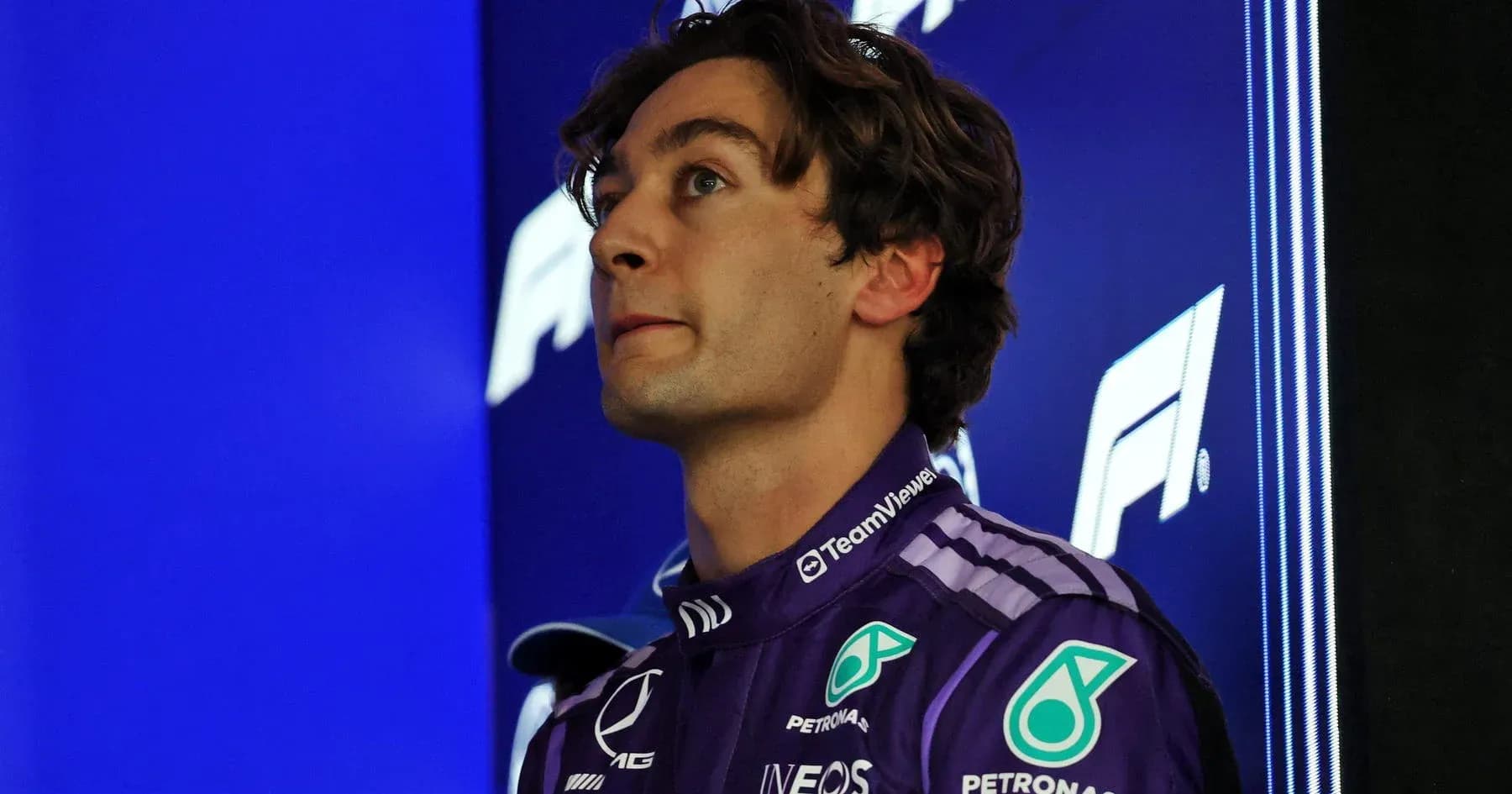
Mercedes left Interlagos with something more lasting than a trophy. George Russell’s fourth place and Kimi Antonelli’s fifth locked in the team’s first constructors’ title since 2021, a return to the summit that has taken four hard years to rebuild.
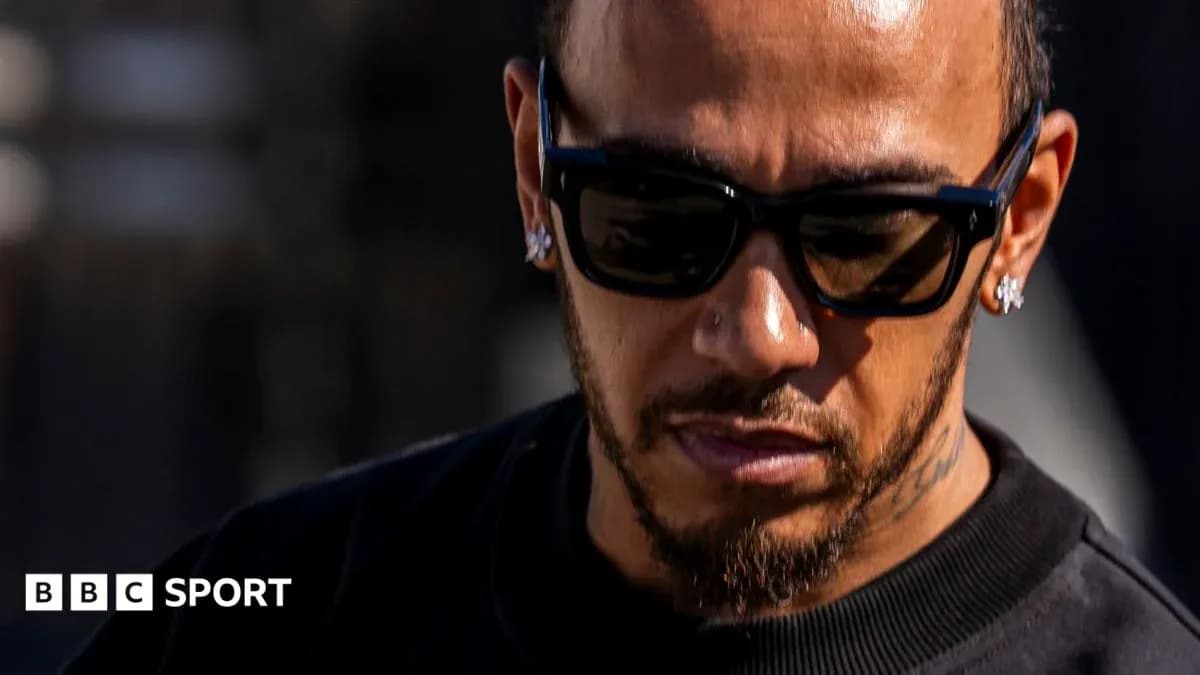
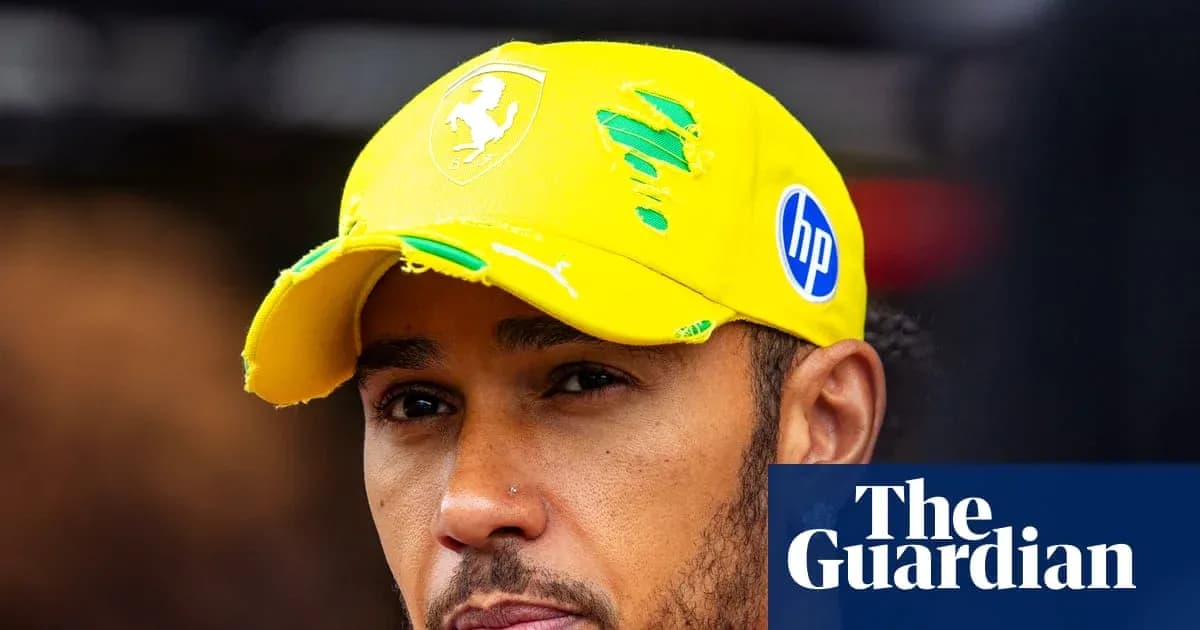
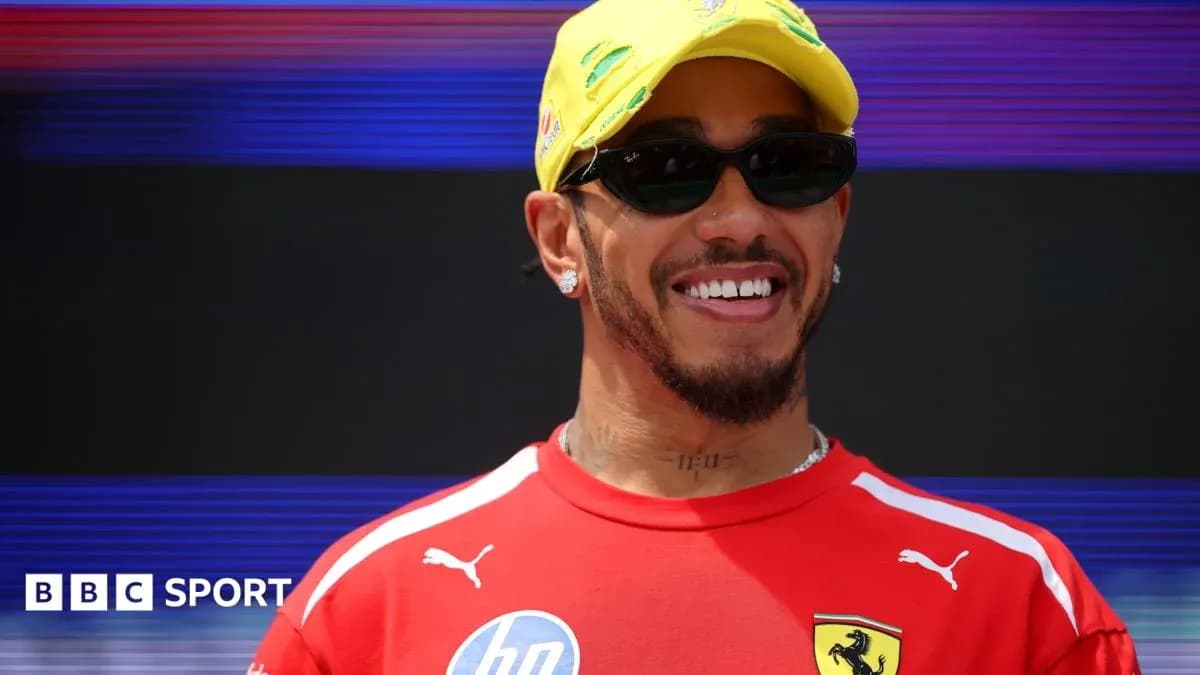
All of it formed the backdrop to another milestone: Lewis Hamilton’s 400th grand prix start, and a fresh look at a career that continues to stretch the sport’s boundaries.
Hamilton at 400: Still in the fight
Strip away the noise and the numbers remain staggering. Hamilton stands as Formula 1’s most successful driver in raw statistics: most wins, most pole positions, and seven world titles, level with Michael Schumacher. Many still insist he should have an eighth, given the controversy of the 2021 finale.
But greatness in F1 has never been just a spreadsheet exercise. It lives in certain Sundays that lodge themselves into the sport’s memory. Hamilton has more than his share: the wet demolition of the field at Silverstone in 2008, the ferocious charge through the pack in Brazil in 2021, and a long list of other days when he bent a race to his will.
He has taken at least one victory in nearly every season he has contested. The outliers – 2022, 2023 and 2025 – stand out precisely because they break the pattern.
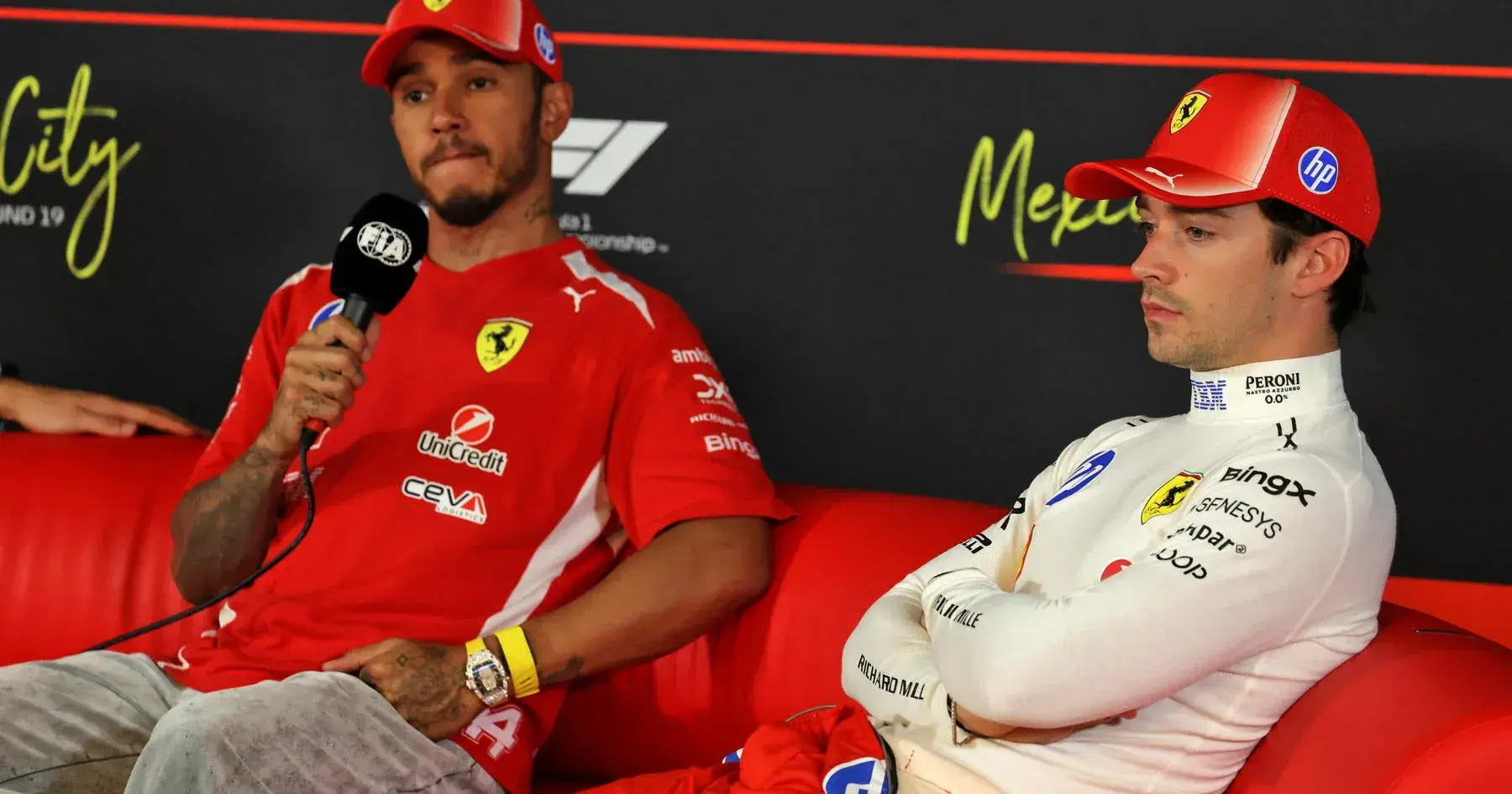
Those years also overlap with F1’s ground‑effect era, and that is where the story becomes more complicated. From 2022 to 2025, Hamilton looked less like the driver who once seemed able to adapt to anything. George Russell beat him in two of their three seasons together at Mercedes. The move to Ferrari in 2025 brought another uncomfortable comparison as Charles Leclerc generally had the upper hand.
For a driver long praised for his versatility, the apparent struggle to unlock the peculiar demands of these cars raised eyebrows. Was it the machinery, the driving style required, or the simple march of time? Hamilton is now 41. The questions were inevitable.
This season has shifted the mood again. With cars that behave in a way he clearly understands better, Hamilton has re-emerged as a force, running level with Leclerc and looking far more like his old self. He has not shied away from the doubts that dogged those four years; he has referred to them often, including in Brazil when his 400th race came up.
“I never ever thought that I would be reaching numbers like that,” he said. “It’s crazy because I still feel young, and regardless of the things that people say, you saw my pole last week, I still have the pace, I still have the speed and I still have the dedication, which is most important and the focus. For me, that number is kind of irrelevant.”
The number on his passport tells a different story, but modern F1 has already rewritten what age means. Fernando Alonso is 45 and still driving at a level that would shame many half his age; his performance in Brazil underlined that yet again.
Hamilton has spoken openly about wanting to race until F1 returns to Africa, a long‑held personal ambition. That is not expected to happen before 2030. If he makes it that far, he too will be 45.
To do that, he needs another contract beyond his current Ferrari deal, believed to run only to the end of next year. On pure performance, there is no obvious reason he cannot keep going. The only real unknown is how long he wants to keep strapping himself into a car and living at the intensity he has maintained for nearly two decades.
The rise and fade of ‘yo‑yo racing’
Early this season, a new phrase crept into the paddock vocabulary: “yo‑yo racing”. Fans saw it clearly on track – cars swapping places lap after lap, slipstreaming past one another, only to be repassed when the energy balance flipped.
It wasn’t a gimmick. It was baked into the new power units.
The current engines run with an almost 50‑50 split between the internal combustion engine and electrical power. They are, by design, energy‑starved. That scarcity, combined with new operating modes, created the see‑saw effect.
Drivers have access to two key tools. “Boost” allows them to draw extra electrical energy whenever the battery has enough charge. “Overtake” mode hands a driver running within one second of the car ahead an extra 0.5MJ of energy recovery and deployment per lap.
In the early races, teams and drivers were still learning how to manage this complex system. The result: wild swings in available electrical power. One lap, a driver would unleash a surge of energy and blast past. The next, the roles reversed as the former leader, now tucked in behind, triggered his own advantage.
The spectacle has faded in recent rounds. The main reason lies in the circuits themselves. Recent tracks have been less “energy‑starved” – places where the layout and demands do not leave cars scraping for every last joule. When drivers cannot constantly run flat‑out on electrical deployment, the gaps in energy usage open up and yo‑yo racing flourishes. When they can, the swings flatten out.
Teams have also caught up. A season’s worth of data and experience has sharpened their understanding of how not to leave their drivers exposed. The learning curve has smoothed out the chaos.
Regulators have stepped in as well. New rules now impose energy limits at circuits where starvation becomes extreme, trimming the peaks and filling in the troughs of energy availability.
The longer‑term plan heads in another direction again. By 2028, the energy split is due to shift in stages to 60‑40 in favour of the combustion engine, making the hybrids behave more like “normal” racing power units from the cockpit.
The likely outcome? Fewer overtakes, but cars that feel more predictable and satisfying to drive. Whether fans prefer the cleaner, more traditional battles or the manic yo‑yo exchanges is a question the sport is still waiting to answer.
Why a reserve seat still matters
Esteban Ocon’s situation highlights another harsh reality of modern F1. Once it became obvious Haas would not retain him for next year and that other race seats had slipped away, the Frenchman made one thing clear: he does not see his grand prix career as finished.
For a driver in that position, a reserve role can be a lifeline, not a consolation prize.
Staying inside the F1 system keeps him immediately available if a race driver is sidelined. It also guarantees regular time in the simulator and, potentially, outings in recent machinery. That matters. F1 evolves quickly; a year away in a different series can turn yesterday’s sharpness into tomorrow’s rust.
There is also the simple issue of visibility. Remain in the paddock and you remain in the conversations – with engineers, team bosses, sponsors. Go to IndyCar, Formula E or endurance racing and the perception can shift overnight: from “current F1 driver” to “ex‑F1 driver”. Once that label sticks, it is hard to peel off.
For a racer, the lure of winning elsewhere and becoming the centrepiece of another championship is real. But for someone convinced there is unfinished business in F1, the quieter path of a reserve role can be the smartest way to keep the door open.
Lawson, Lindblad, Tsolov: Red Bull plays the long game
Liam Lawson’s performances this year have triggered an obvious question: why has he not been locked in for 2027 already?
The answer lies with the people who now pull the strings at Red Bull. The decision on which two drivers will race for Racing Bulls next season rests with shareholders Chalerm Yoovidhya and Mark Mateschitz, and Red Bull’s overall F1 boss Oliver Mintzlaff.
Lawson is in the frame alongside current team‑mate Arvid Lindblad and F2 front‑runner Nikola Tsolov.
Under the old regime of Helmut Marko and Christian Horner, the script might have been brutally simple. Lawson had his shot at the senior team; if they no longer saw him as a future Red Bull driver, he would be moved aside, with Tsolov promoted as the next talent in line.
There is a strong counter‑argument. Pairing two unproven drivers would leave Red Bull guessing as to what they really have. Without a known reference point, it becomes hard to judge whether a rookie is a potential star or just flattered by weak opposition.
The alternative, and the one gaining traction, is to keep Lawson and Lindblad together. Lawson serves as a benchmark, Lindblad as the prospect. After a full season of data and head‑to‑head racing, Red Bull would then have a clearer picture of who to retain and when to bring Tsolov into the mix.
Racing Bulls team principal Alan Permane effectively made that case in Brazil.
“Red Bull’s had a very successful young driver programme,” he said. “And I don’t want to be critical of it, but I think if you guys are critical of it, maybe sometimes the drivers haven’t been able to have enough time to settle, or maybe some snap decisions have been made.
“We’re trying to apply a little bit of science, and that takes some time.
“So we are looking at everything and studying, analysing, and time is on our side. We’re not in a rush to do anything, and I’m very confident the right decision will be made.
“I realise it’s frustrating for our drivers. I realise it’s frustrating for everyone else, but we want to get it right, and we will get it right.”
For once, Red Bull’s junior ladder looks less like a conveyor belt and more like a laboratory.
Interlagos and the fight for F1’s soul
Interlagos delivered again. It almost always does.
The old São Paulo circuit has a knack for drama – weather that turns in a heartbeat, a layout that punishes mistakes and rewards bravery, and grandstands that feel close enough to touch the cars. It is no surprise fans ask whether F1 should do more to protect places like this.
The answer is tangled in the sport’s competing priorities. The championship wants to be genuinely global. It needs circuits that produce compelling racing and a variety of challenges. It also chases the commercial deals that now underpin its growth.
That is where the classic tracks run into trouble. Many sit in countries that cannot, or will not, pay the huge hosting fees on offer from newer venues, especially in autocratic states eager to use a grand prix as a showcase.
Yet F1 knows the value of its heritage. Monaco, Silverstone, Spa, Suzuka – they are not just races, they are pillars of the calendar. The sport has already made compromises to keep them, particularly Spa, which no longer appears every year but remains fiercely protected.
At the same time, Liberty Media and the FIA push hard to make new venues more than just cash cows. Some hit the mark, others fall flat. That is inevitable.
Las Vegas is the clearest recent example. The track itself will never sit alongside Suzuka in drivers’ affections; it is a street circuit carved out of a US city grid. But it compensates with spectacle and the kind of global attention F1 craves.
Looking ahead, the next generation of permanent circuits offers a different kind of promise. Former F1 driver Alex Wurz has designed the new tracks in Qiddiyah, Saudi Arabia, and Rwanda, both due to join the calendar in the coming years. His brief is clear: make them demanding for drivers and fertile ground for racing.
The tension between history and expansion will not disappear. But as Interlagos showed once more on Sunday, some circuits do not just host F1. They define it. How long the sport can afford to gamble with those foundations may prove the defining question of this era.