Lando Norris Claims Pole in Madrid's Thrilling Qualifying
The Madring promised a parade. It delivered a knife-edge shootout.
Just 0.011s split first and second in the first-ever Formula 1 qualifying session at Madrid’s new circuit, and four different teams locked out the first four spots on the Spanish Grand Prix grid. If this is what “processional” looks like, no one in the paddock will complain.
At the heart of it all was a lap that came from nowhere.
Winner: Lando Norris (1st)
For most of qualifying, Lando Norris was a supporting act in someone else’s story.
Mercedes and Ferrari traded blows. Max Verstappen lurked, menacing as ever. Norris? Fifth in Q1, seventh in Q2, nowhere near the headlines and not really in the conversation for pole.
Then Kimi Antonelli threw down the gauntlet with the first lap in the 1m31s bracket, Lewis Hamilton briefly stole provisional pole, and the session seemed to be falling neatly into place.
Norris tore that script in half.
His final Q3 effort was all risk and razor’s edge, a full-send lap in the McLaren that left no margin. The last corner was scruffy – team principal Andrea Stella reckoned there were three tenths left on the table there – but everything before it was, in his words, “a masterpiece”.
Norris himself felt it might be the best qualifying lap of his career. The clock backed him up: pole by one hundredth of a second over Antonelli.
Not perfect. But brilliant. And on a track where overtaking is expected to be a grind, it could be season-defining.
Loser: Oscar Piastri (7th)
On the other side of the McLaren garage, the mood was very different.
Oscar Piastri’s qualifying never really got going. Eighth in Q1. Ninth in Q2. Seventh in Q3. On paper, not a disaster. In context, deeply underwhelming.
His session started badly when he had to abort his first flying lap in Q1. From there, he called it “messy”, and when he finally dragged the car to seventh in Q3, his own verdict was blunt: “pretty crap”.
He insisted the weekend had actually felt better, more like Monza, with a car he understood and could lean on. This wasn’t about a bad balance. It was just one of those sessions where the lap never quite comes together.
The real sting? Norris proved the McLaren had the pace to take pole. On a track where passing is expected to be brutally difficult, Piastri’s “middling run” continues at exactly the wrong time.
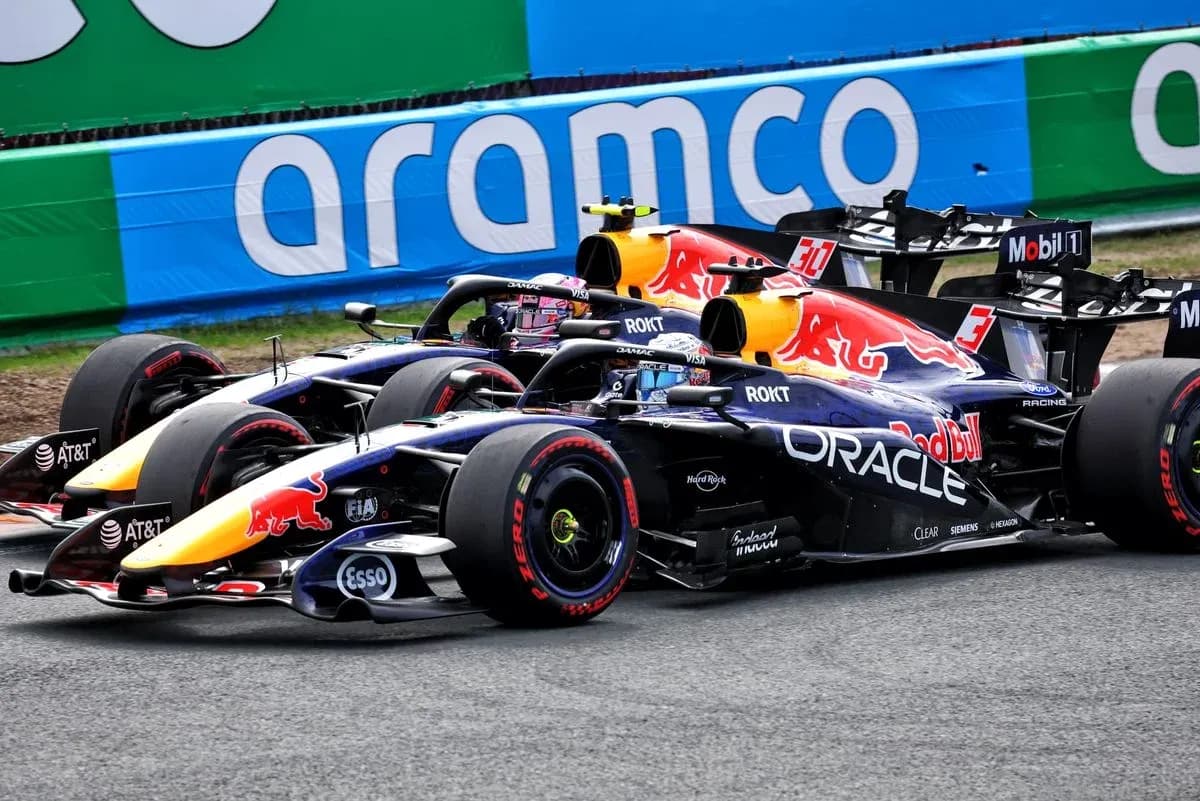
Winner: Max Verstappen (3rd)
Red Bull looked lost on Friday. Pierre Wache openly listed the problems: set-up, mechanical grip, ride quality, energy deployment. Too many issues, not enough time.
By Saturday afternoon, Verstappen had dragged the car back to where it always seems to end up – right in the fight.
He was just under four tenths off in FP3, close enough to smell a turnaround. In qualifying he edged closer: 0.170s off in Q1, then fastest of all in Q2. When it mattered in Q3, he was one of only three drivers to break into the 1m31s, good enough for third on the grid.
He starts ahead of both Ferraris, a Mercedes and one McLaren, with only Norris and Antonelli in front. Liam Lawson, who had been within a tenth of George Russell in Q1, faded to eighth, underlining the difference Verstappen still makes when the pressure rises.
He credited the car for finally doing what he wanted in the corners. Still, it felt like there was more than just set-up at work. There usually is.
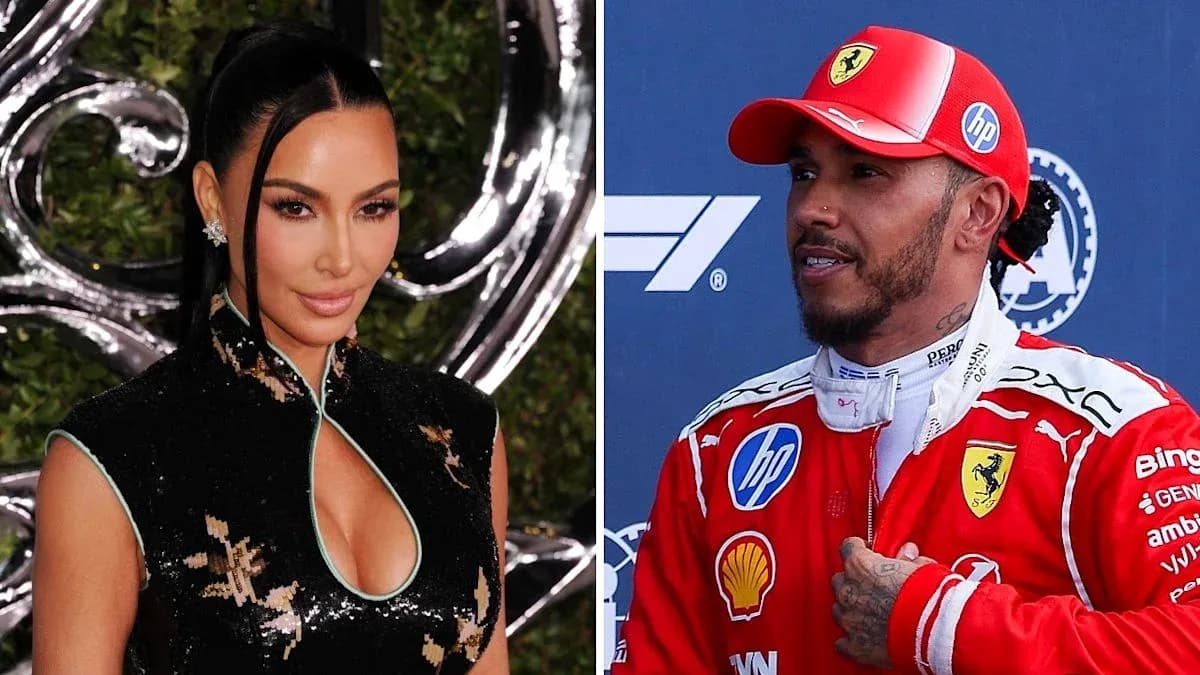
Winner: Lewis Hamilton (4th)
Lewis Hamilton walked away from FP3 with a damaged car and a dented rhythm. By the end of qualifying, he’d planted his Ferrari on the second row.
His lap was neat, controlled and just enough. He edged Charles Leclerc by 0.006s, the sort of microscopic gap that defines rows, strategies and sometimes races.
Hamilton’s assessment was terse. He called it a “pretty straightforward” session, praised the team’s “good execution” and promised only one thing for Sunday: “I’m going to have fun… I’m not going to put too much pressure on it.”
Behind him, Leclerc fought with more than just the clock. Still on an older-spec Ferrari engine after his Monza crash, he admitted he lost time especially in sector one and noted that others had moved to newer power units for qualifying while he had not.
He felt the lap itself was clean enough, with just a few small moments. In a field this tight, those moments hurt. Hamilton made fewer of them.
After their clash at the start in Monza, the grid now has both Ferraris stacked together again, Hamilton ahead by a whisper. The first metres in Madrid will be watched very closely.
Loser: George Russell (6th)
George Russell started the day looking like a pole threat. He ended it staring at the timing screens, wondering where it slipped away.
He brushed the wall in Q1, then promptly topped the session, and spoke afterwards of feeling “in a good place”. By the time Q3 came around, he reckoned he was “about three tenths up” on his previous best partway through his final lap.
Then he pushed harder into Turn 11. The tyres said no. The lap unravelled.
Russell later admitted it has been “really challenging” to judge just how much the tyres can take around the Madring. The result? A deficit of 0.314s to Antonelli and a drop to sixth on the grid – four places behind his team-mate.
Those three tenths he lost would have transformed his starting position. Instead, after a promising start to the weekend, qualifying became another reminder that he’s still a step behind at Mercedes, and that any faint title talk remains exactly that.
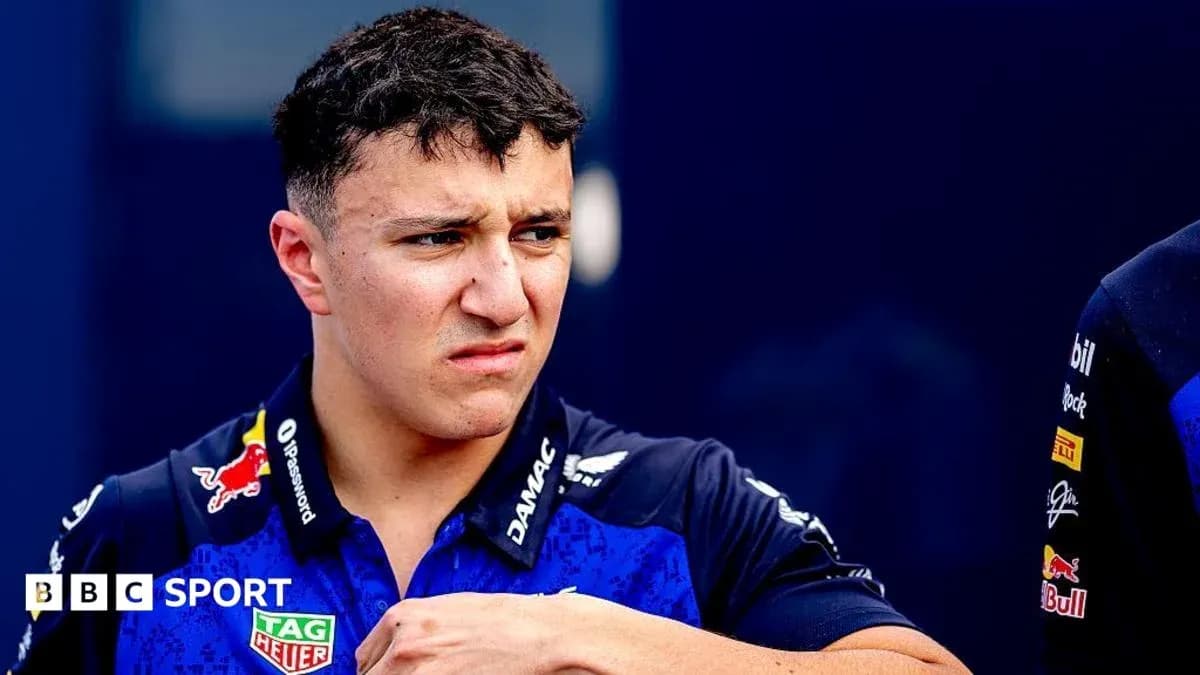
Loser: Ollie Bearman (21st)
Ollie Bearman’s weekend fell apart in a single moment.
Right at the end of FP3, he lost the car at Turn 10 and slammed into the barriers. The damage was heavy enough to rule him out of qualifying entirely and lock him into a provisional 21st on the grid.
The timing could hardly have been worse. The Haas had pace – Esteban Ocon proved that with 13th – and Bearman knew it.
“The car was quick,” he said as he watched qualifying from the sidelines. Friday had been rough, but overnight changes had transformed the car for FP3. Then came the crash. He pointed to worn tyres and a gust of wind as factors, but the cost is his to carry.
Sunday could now bring a ninth straight grand prix without points for Bearman and an eighth for Haas, while Audi quietly chips away at their advantage in the fight for seventh in the constructors’ championship.
Winner: Franco Colapinto (9th)
Franco Colapinto will start one place lower than he did last weekend. He’ll feel a lot better about this one.
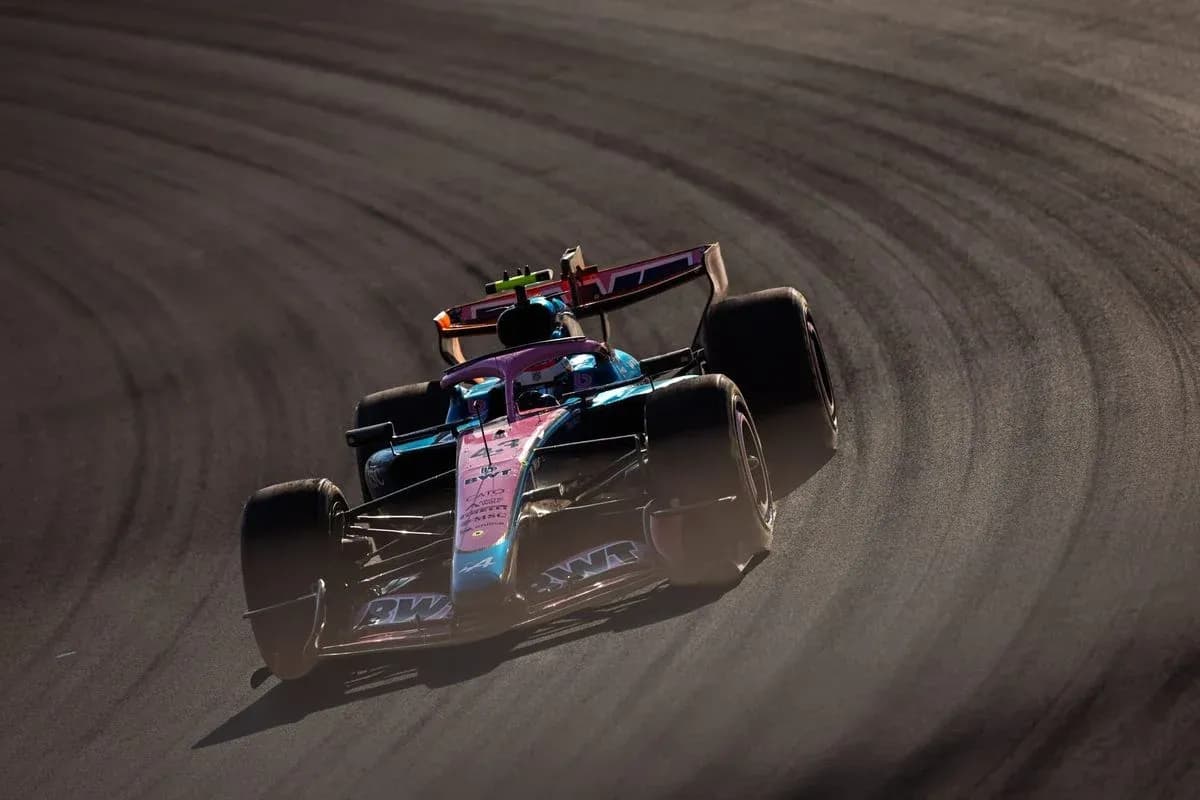
The Alpine driver had to catch a wild moment at La Monumental on his first Q2 attempt, then reset and deliver when it mattered. The lap he produced to reach Q3 he simply called “amazing”, and he had every right to be pleased with it.
He’d expected this track to favour Audi and Racing Bulls more than Alpine, and the weekend’s form largely backed that up. On paper, the Alpine had no business leading the midfield.
Yet that’s exactly where Colapinto put it. He then backed it up – and even improved – in Q3, turning a tricky circuit into one of his most complete Saturdays yet.
On a day when the usually dependable Pierre Gasly struggled badly, Colapinto’s composure and repeatability gave Alpine a crucial foothold.
Loser: Pierre Gasly (14th)
If Colapinto’s side of the garage hummed with quiet satisfaction, Gasly’s was a picture of confusion.
“Something doesn’t add up,” he admitted after qualifying only 14th, a full seven tenths slower than his team-mate in Q2. That gap alone tells the story.
On Friday, Gasly felt confident of making the top 10. By Saturday, the car felt like a stranger. He complained of laying rubber out of every corner, fighting traction, and going sideways through the high-speed sections.
When asked if this pointed to a deeper, set-up related issue, he tentatively agreed. But he had little appetite to talk about what the race might bring.
“At the moment I just want to get back in the office and get the answers I need,” he said. Until Alpine unpicks what went wrong, 14th will feel like an opportunity thrown away.
Loser: Aston Martin (18th & 21st)
The Madring may be a temporary, street-style circuit, but it’s fast enough and demanding enough to expose any weakness in the power unit. Aston Martin felt that more than most.
Fernando Alonso wrung everything he could out of the car in Q1, but it wasn’t enough. He fell 0.081s short of escaping the first segment, trapped behind both Williams cars – the very machines Aston Martin has recently been haunting with its rapid chassis gains.
Alonso estimated he was losing “probably more than one second” because of the Honda engine. On a lap this short, that is brutal.
At least he got to fight. Lance Stroll never even made it that far. Fresh-engine water pressure problems parked him before qualifying really began, leaving him 21st and Aston Martin with a grimly lopsided starting position.
For a team that has talked up its development curve, Madrid was a harsh reminder that chassis gains only go so far when the stopwatch is asking different questions.
The front row tells one story: Norris against Antonelli, McLaren against Mercedes, youth against youth. Just behind them lurks Verstappen, with Hamilton and Ferrari ready to exploit any early chaos.
Everyone feared a Sunday procession at the Madring. With this grid, and this spread of winners and losers, how long can that prediction really survive once the lights go out?