Lando Norris Dominates Madring: Spanish Grand Prix Preview
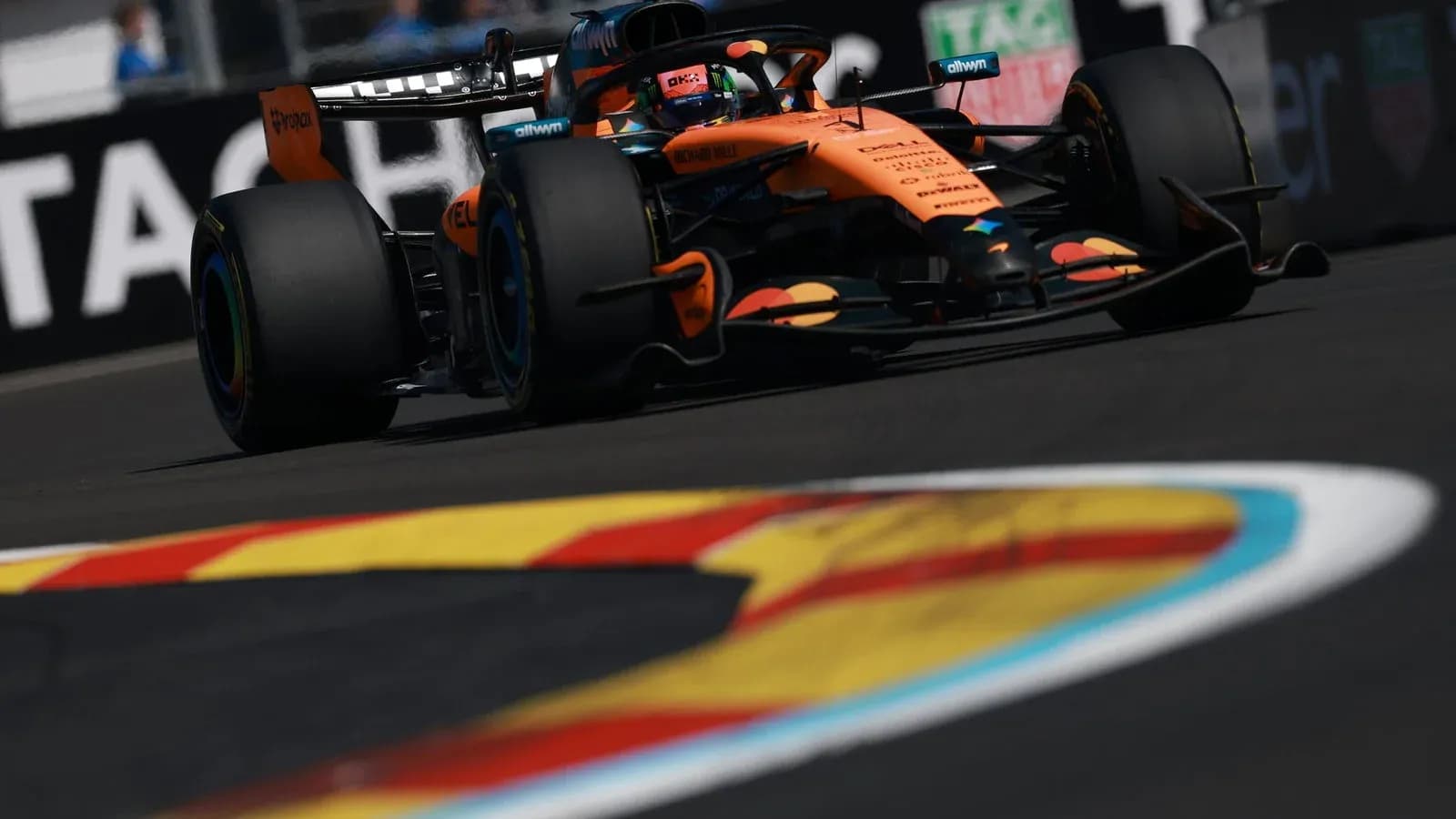
Lando Norris has the front row of Madrid to himself. The rest of Formula 1 is still trying to work out what, exactly, it has walked into.
The 2026 Spanish Grand Prix is no longer a sun‑baked lap of Barcelona’s sweeping curves. It’s the Madring now: 5.414km of concrete canyons and Armco, 22 corners jammed into a street circuit that feels more Monaco than Montmeló, with a banked Turn 12 looming as the new theatre of risk.
On Saturday, Norris mastered it. He hustled the McLaren to pole, threading the car between unforgiving walls and blind entries while others hesitated. On a track where overtaking will be a chore and track position almost everything, that lap may prove as valuable as any win this season.
Behind him, the championship story simmers. Kimi Antonelli, already 66 points clear of George Russell, lines up second. Russell, with work to do and little margin for error, starts only seventh. If the Italian gets off the line cleanly and survives the first wave of chaos, he can turn a commanding lead into something close to a stranglehold.
Carlos Sainz, the home hero, has already paid a price. A grid penalty for blocking in qualifying has shuffled him back, stripping away the chance to attack from the sharp end at Spain’s new showcase venue. On a circuit this tight, that punishment bites harder.
The expectation coming in was simple: carnage. Drivers talked openly about red flags, about safety cars, about the midfield and backmarkers lying in wait for the kind of accident‑strewn afternoon that can flip a race on its head. The Madring looks built for drama.
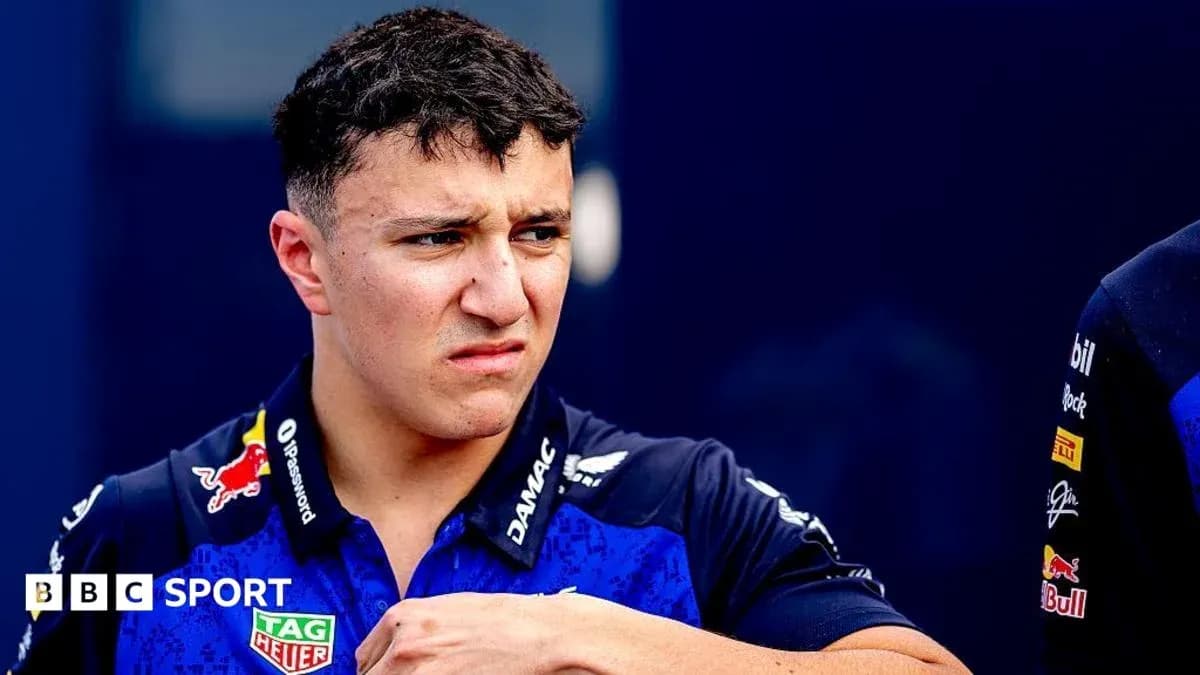
Friday didn’t quite play along. Just one major interruption, when Arvid Lindblad lost control of his Racing Bulls at Turn 13 in second practice and found the barriers. It was a reminder of how quickly this place can punish a misjudgement, but not yet the full-scale disruption many predicted.
That may change when the lights go out at 2:00pm BST.
The strategic picture is as tangled as the circuit itself. Everyone knows the rule of street racing: the fewer stops, the better. Every trip down the pit lane is an invitation to lose track position you may never get back. On paper, the bold option is obvious – start on the soft tyres, burn them up early, clear them from the equation and be ready to react when the inevitable safety car appears.
But what if it doesn’t?
Run softs at the start, pit under green, and you risk tumbling down the order while rivals stay out on older, harder rubber, gambling on that yellow flag that never comes. A strategy designed for chaos can look foolish in a straight, uninterrupted race.
The conservative answer is the hard tyre. Bolt them on, go long, and keep yourself in the game until the race explodes around you. If the safety car does appear late, the hard starters can dive in, grab fresh rubber, and attack while those who stopped early are locked into worn tyres and bad options.
There’s a catch. Nobody relishes launching from the grid on the slowest compound, especially not at the front. Norris will want the sharpest possible getaway to control Turn 1 and dictate the pace. Antonelli, too, cannot afford to bog down and get swallowed by the pack while Russell lurks, hoping the race comes to him.
So the paddock faces a choice between two uncomfortable truths: start fast and risk being tactically exposed, or start slow and hope the race bends to your plan.
What makes it compelling is that nobody yet knows how the Madring will behave over a full grand prix distance. Tyre degradation, safety car timing, the true brutality of that banked Turn 12 once cars are heavy with fuel and nerves – all of it remains guesswork.
Formula 1 has rolled into a new Spanish home, stripped of its old certainties. Norris has the pole. Antonelli has the points. Russell has the pressure. The rest have a street circuit that could either lock the race into a procession or rip it wide open with a single mistake.
In a season already tilting toward one man, is Madrid the place where someone finally wrestles back control – or where the title race quietly slips out of reach?