Kimi Antonelli's Historic Victory at Monza
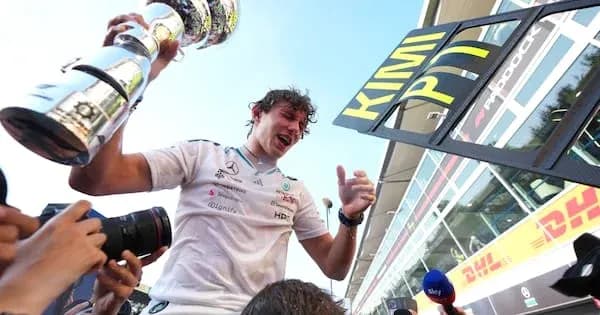
Kimi Antonelli ripped up the script at Monza and, in the process, marched towards Formula 1 history.
From 19th on the grid to victory at the Italian Grand Prix, the 20-year-old Mercedes driver produced a comeback so ferocious it felt like something out of a different era. Fewer than 17 laps. That’s all it took for him to carve his way from the back of the field to the front at his home race.
From there, it became a straight duel with his own teammate and title rival, George Russell, for the win and, perhaps, the championship’s momentum.
A home hero in a cauldron of grief
Monza had started in mourning. Ferrari’s day imploded almost before it began.
Charles Leclerc, carrying the hopes of the tifosi, lost control coming out of Parabolica at the end of Lap 2 and slammed into the barriers at high speed. He climbed out, walked away, and then simply sat near the track, shattered. Around him, the grandstands of red fell silent. Many fans were in tears. Their home race, ruined before it had even settled.
The red flags flew. The noise died. On the timing screens, though, one Italian name was already rising.
By the time Leclerc’s Ferrari hit the wall, Antonelli had surged from 19th to 12th. In that moment, as he later admitted, the idea of victory stopped being a fantasy and started to feel real.
When the race restarted, he went back to work. One by one, he picked off cars with ruthless efficiency, slicing through the midfield and then the frontrunners until only Russell remained between him and immortality.
Mercedes civil war at the front
Russell had made his own sharp start, jumping surprise polesitter Pierre Gasly at the beginning of Lap 2 to seize control of the race. On a day when Antonelli carried a heavy grid penalty after Mercedes opted to change his power unit, this was supposed to be Russell’s chance to close the gap in the title fight.
Instead, he found himself staring in his mirrors at the same silver car he has chased all season.
The two Mercedes traded blows at the front, swapping the lead and pushing the limits. The team, wary of disaster, stepped in over the radio, urging both drivers to calm down, build a cushion over Max Verstappen, and then fight.
They didn’t listen much.
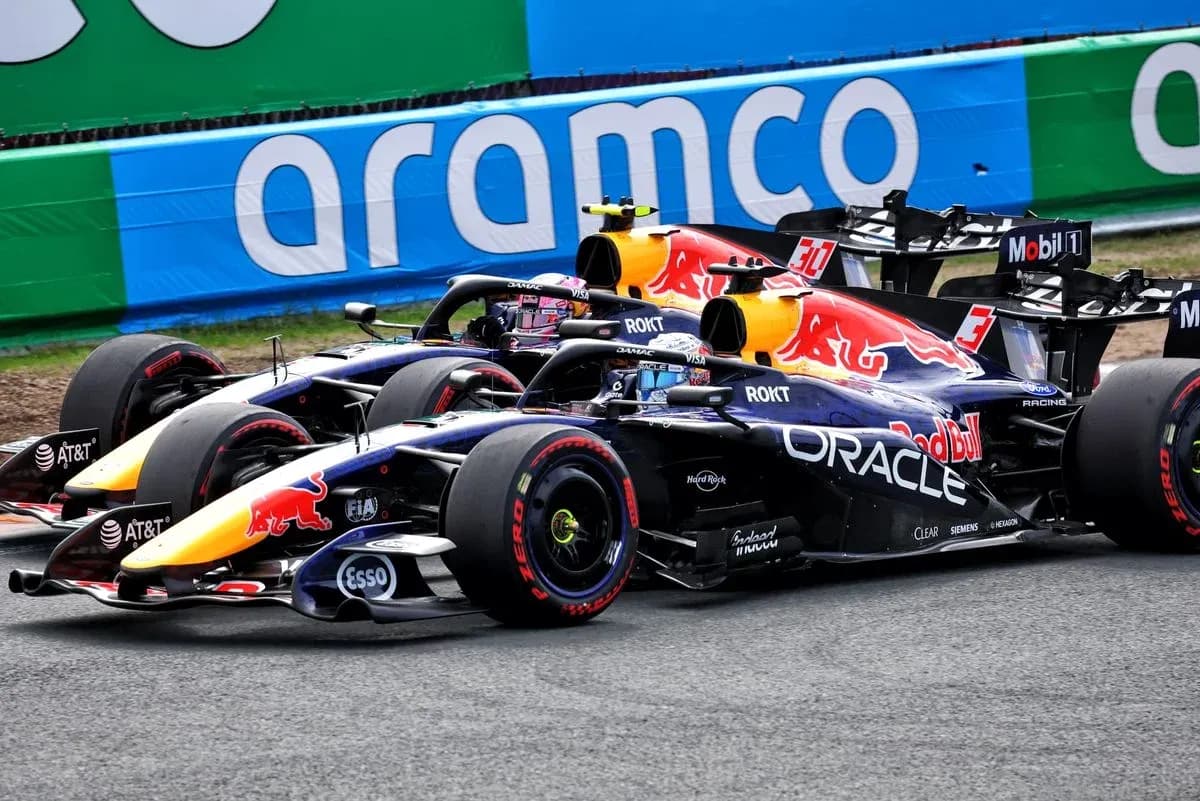
Antonelli attacked, Russell responded, and Verstappen — a distant third in the Red Bull — could only watch the drama unfold from behind. The Dutchman eventually finished just ahead of the McLarens of defending champion Lando Norris and Oscar Piastri, but he was never truly in the conversation for the win.
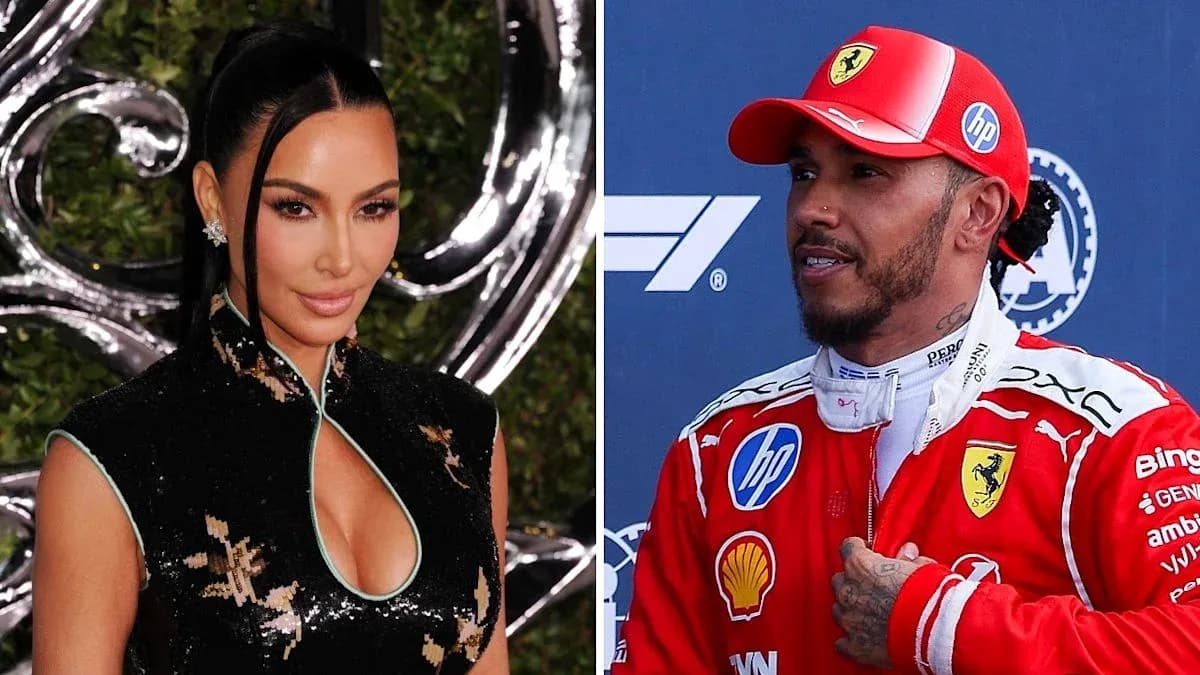
Lewis Hamilton, in the other Ferrari, salvaged sixth on a day when the Scuderia’s headline act had long since walked away.
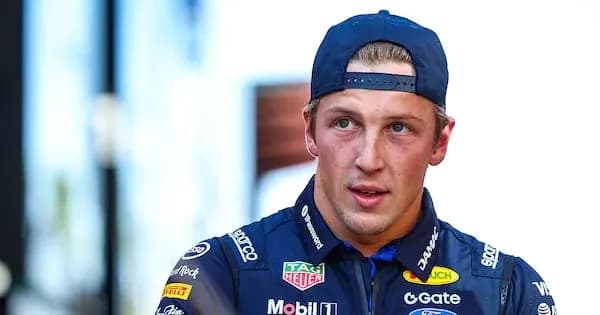
Liam Lawson brought his car home in 14th, a quiet afternoon in the shadows of a race that will be replayed for years.
The strategic roll of the dice
The turning point came on Lap 29 under a virtual safety car. Mercedes split their strategies.
Antonelli dived into the pits. Russell stayed out.
The Italian rejoined in sixth place, armed with fresh tyres and a clear target: his own teammate.
“To be honest, I thought we were both going to stay out,” Russell admitted later. “I was surprised to see him pitting. In the end it was a roll of the dice both ways. In the moment, the team wouldn’t have known which strategy was better, made sense to split the car. In the end Kimi had great pace.”
Great pace barely covers it. Antonelli hunted Russell down for the second time, erasing the gap with a relentless string of laps that underlined why he now stands on the brink of becoming the youngest champion in F1 history.
Then came the mistake.
On Lap 49, as he lunged again for the lead, Antonelli ran through the gravel trying to pass Russell. For a heartbeat, it looked like the fairytale might unravel. The crowd gasped. Russell escaped, the gap opened.
But the Mercedes in Antonelli’s hands was flying. He reset, regrouped, and came again. Within a lap he was back on Russell’s gearbox, this time making the move stick with a clean, decisive pass that broke the resistance once and for all.
Three laps later, he crossed the line to a wall of noise.
“Oh my God ... It feels like a dream,” he said over team radio, his voice cracking as Monza erupted. On the podium and in the paddock, the disbelief lingered.
“I did not expect it,” he said afterwards. “Unbelievable, unbelievable. I am so happy, I could not have imagined to be here today but we managed to pull it off and I am really, really happy.”
History, and a title within reach
Antonelli’s victory made him the first Italian to win at Monza in 60 years, a drought that had weighed heavily on a country obsessed with this circuit and this sport. It was his seventh win of the season — and of his short F1 career — and it extended his lead in the championship to 66 points over Russell.
Only once in Formula 1 has anyone come from further back to win a grand prix: John Watson’s charge from 22nd to victory at Long Beach in 1983. That’s the kind of company Antonelli now keeps.
For Russell, the reality of the title picture is stark.
“Kimi is in control of it and he’s deserving to be in control of it,” he said. “For me personally, I’m not even thinking about a fight or a comeback or anything. He’s performing incredibly well. It’s going to be exceptionally challenging to overcome that gap so I’m just sort of accepting that it is what it is.”
Antonelli, in only his second season in F1, allowed himself one moment of perspective.
“The best (race) is yet to come,” he said. “But I feel like it was one of the best races I've done so far and one that I will remember forever.”
On a day that began in heartbreak for Ferrari and their fans, Italy still found a hero. The tifosi came to Monza to see red on the top step. They left chanting the name of a young man in silver who might soon rewrite the sport’s record books.