Kimi Antonelli's Monza Masterpiece: From 19th to Victory
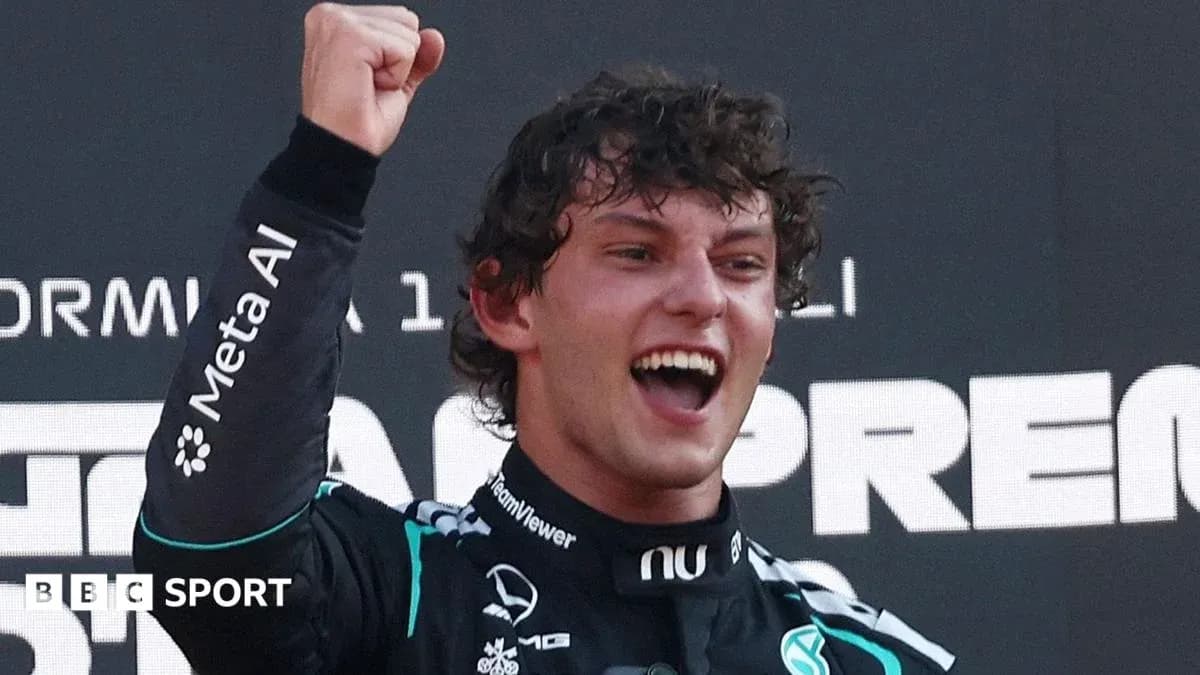
Kimi Antonelli didn’t just win the Italian Grand Prix. He tore up the script at Monza and wrote his own.
From 19th on the grid to the top step of the podium in front of a stunned, roaring tifosi, the Mercedes rookie produced a drive that will live long in the memory – and in the record books. Only John Watson’s charge from 22nd to victory at Long Beach in 1983 stands ahead of this as a greater comeback in Formula 1 history.
By the time he crossed the line, the traditional Ferrari red in the grandstands had found a new hero in silver.
From damage limitation to Monza masterpiece
The day began with Antonelli simply trying to limit the damage. A grid penalty for exceeding his allocation of engine parts had dumped him at the back. George Russell, starting second, had the clear opportunity: cut into his team-mate’s 66-point championship lead and drag himself back into the title fight.
For a few laps, that plan looked sound.
Antonelli, though, refused to play the role of cautious points-saver. His opening stint was sharp but controlled, slicing through traffic with the kind of judgement that makes you forget how little experience he has at this level. By lap three he was already 12th.
Then came the first major twist. Charles Leclerc, under pressure from Oscar Piastri, ran slightly wide at Parabolica, lost the rear and slammed into the barriers. The Ferrari star walked away unhurt, but the red flag that followed froze the race and rebuilt the script.
At that point Russell, having taken the lead from shock pole-sitter Pierre Gasly, looked in command. A clean restart, a quick Mercedes, track position. Everything he needed.
Antonelli had other ideas.
The charge through the pack
When the race resumed, Monza lit up. The front-runners bunched together, running nose to tail, while Antonelli began to carve his way into the conversation.
Four laps after the restart, Russell headed a six-car train. Antonelli sat at the back of it, watching, waiting. Gasly faded, and the Italian pounced – first the Alpine, then Lewis Hamilton, then Piastri. Within a handful of laps he had turned a midfield recovery into a genuine victory bid.
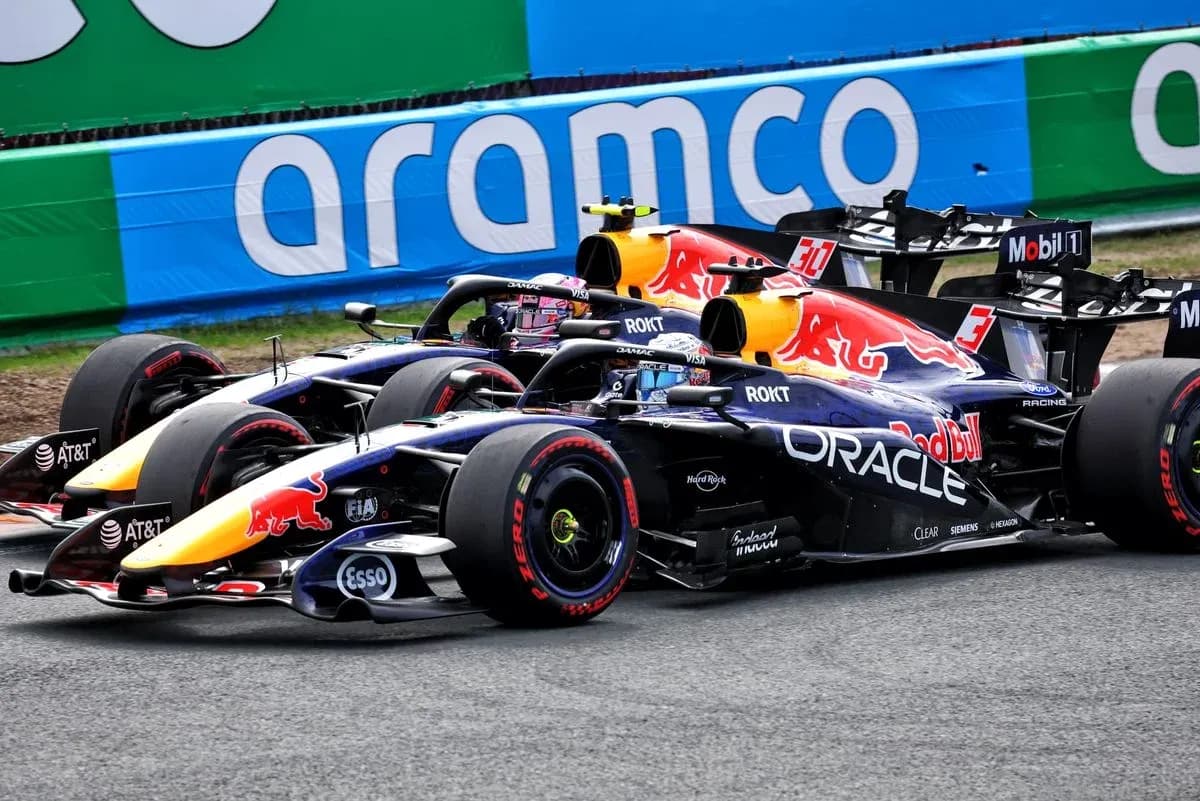
Up front, the fight intensified. Max Verstappen briefly stole the lead from Russell on lap 11. Three laps later, Russell struck back. Antonelli, now fully in the hunt, swept past the Red Bull into the second chicane. The world champion suddenly found himself cast as a spectator in a private Mercedes duel.
From laps 17 to 24, the two silver cars went at it. They traded places, traded battery deployment, traded lines into the chicanes. Verstappen sat right behind them, watching the fireworks, waiting for a mistake that never quite came.
Then the radio crackled into Antonelli’s cockpit. Russell had been told to push and build a gap to Verstappen. The implication was clear: protect the 1–2, keep it safe.
Antonelli’s reply betrayed the tension. Was he supposed to sit back and not challenge?
He didn’t sit back for long.
The gamble that changed everything
Lance Stroll’s Aston Martin broke down at the first chicane and triggered a virtual safety car. In the split-second chaos of strategy calls, Mercedes split their options.
Antonelli boxed. Fresh tyres. A gamble.
Russell stayed out, committed to nursing his rubber to the end. Verstappen followed Antonelli into the pits, sensing the same opportunity.
When the race went green again, Antonelli was down in sixth and 15 seconds behind his team-mate. On paper, the task looked steep. On track, it took him no time at all to turn it into something else entirely.
He devoured Gasly. Then Norris. Then Hamilton. Then Piastri. Each move clean, decisive, inevitable. The gap to Russell shrank almost lap by lap. The leader, who had looked so composed earlier, suddenly found himself staring in his mirrors at the same car, same team, same equipment – but with tyres that still had life.
By lap 48, with five to go, the two Mercedes ran nose to tail.
Antonelli went for it into the first chicane on lap 50. This time, the move went wrong. Forced onto the dirty part of the track, he slid over the rubber marbles, skipped through the gravel and dropped 1.7 seconds back.
For most drivers, that would have been the moment the challenge died. For Antonelli, it was a brief pause.
Within a couple of laps, he had erased the deficit again. The speed difference was brutal. On the run between the Lesmos and Ascari, he simply breezed past Russell, the pass almost casual in its inevitability.
Russell’s voice after the race carried resignation as much as realism. He admitted that once he’d seen Antonelli up in fifth or sixth so soon after the restart, he knew the fight for victory would be a long one. In the end, he had no answer on worn tyres.
Verstappen solid, but outgunned
On any other afternoon, Verstappen’s run from sixth on the grid to third would have drawn more praise. He fought the Mercedes hard in the early stages, even leading briefly, and for a long time looked like he might split them.
The race, and the strategy calls, went against him. His stop dropped him behind Piastri, Hamilton and Norris. Fresh tyres gave him the tools to fight back to third, but no more. The Red Bull simply could not live with the relentless pace of the Mercedes on this particular Sunday.
Behind him, McLaren salvaged a strong result. Norris grew stronger as the race wore on, first picking off Hamilton, then locking onto the back of a three-car train behind Verstappen and Piastri.
The late fight between the McLaren pair brought its own flashpoint. Norris dived for the inside approaching the second chicane, Piastri edged him over towards the grass on the exit of Curva Grande, and the radio lit up. Norris complained he’d been pushed off. The team urged Piastri to keep it clean.
Norris finally made the move stick on the last lap. It was hard, fair, and just on the right side of the line.
Ferrari falter, Alpine hold on
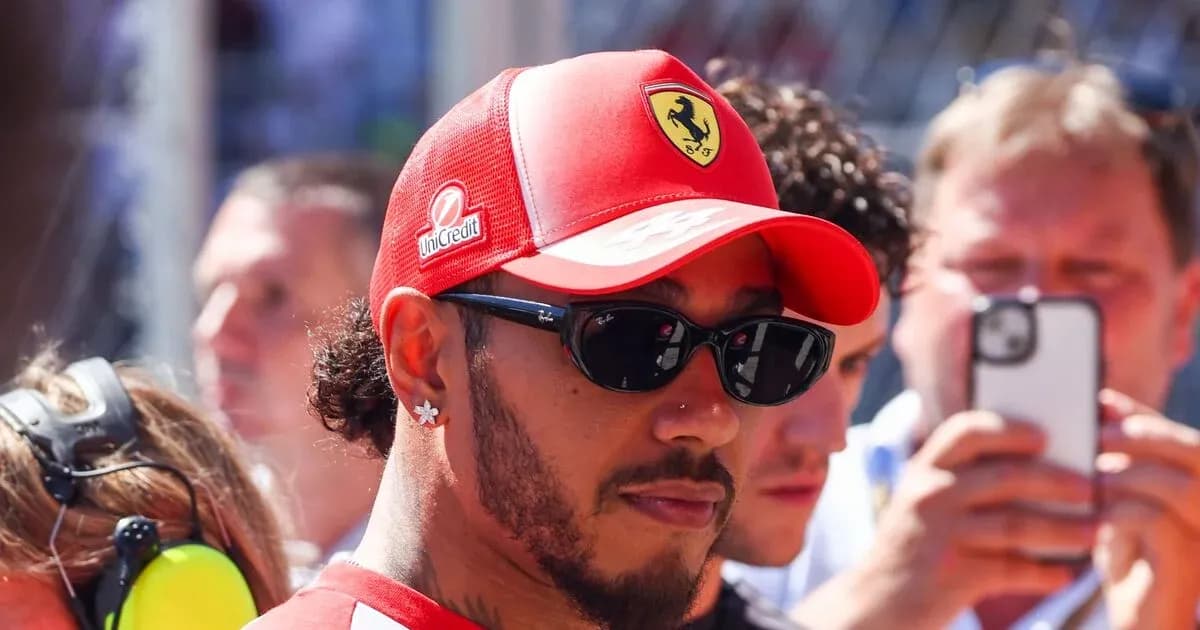
For Ferrari, this was a home race to forget. Leclerc’s early crash ripped up one side of their strategy before it had even begun. Hamilton could do no better than sixth, stuck in the pack as others around him made more of their opportunities.
Gasly, the man who had stunned everyone with pole in the Alpine, was never likely to stay in front. The car simply didn’t have the race pace to match the one-lap heroics, especially with compromises baked into the set-up. Once the lights went out, reality bit.
Seventh, though, still counted as a good day for Alpine. Their target was simple: finish ahead of the Racing Bulls in the fight for fifth in the constructors’ championship. Gasly delivered on that brief, even as the field reshuffled behind him.
Arvid Lindblad muscled his way to eighth, beating Franco Colapinto in the second Alpine, while Yuki Tsunoda picked up the final point in 10th for Racing Bulls.
A new king of Monza?
None of them, though, could escape the shadow of the man who started 19th and finished first.
Antonelli’s win was not a fluke safety-car lottery, not a rain-soaked chaos race. It was a cold, ruthless dismantling of the field, under bright Italian skies, on pure pace and nerve. He read the race, seized the key moment under the virtual safety car, and then executed with a clarity that belied his years.
The championship lead now stands at 66 points. The numbers tell one story. The way he did it at Monza tells another.
On a track that has belonged to Ferrari for generations, the loudest cheers at the chequered flag rang out for a Mercedes driver named Kimi Antonelli.
If this is what he produces from the back of the grid, what happens when he starts at the front?