Jonathan Kuminga's Surprising Move to Minnesota Timberwolves
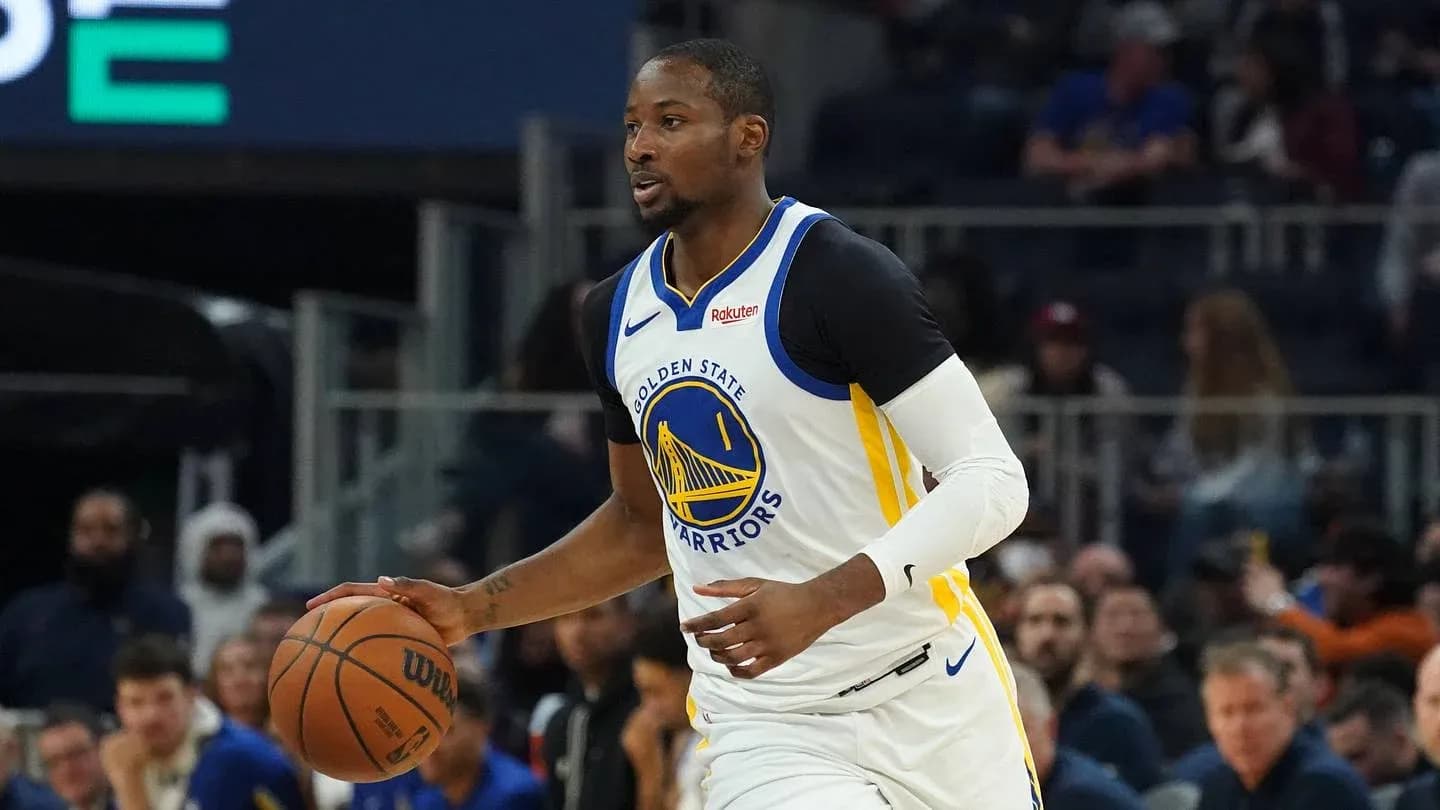
Jonathan Kuminga is a Minnesota Timberwolf now, on a two-year, $12.4 million deal agreed Wednesday. A former top-10 pick, 21 years old, entering his sixth NBA season, just signed for the taxpayer mid-level exception.
That number landed like a thud in the Bay Area.
Warriors fans immediately went back to the offer he turned down: three years, $75.2 million from Golden State a year ago. The contrast is jarring. The context is worse.
Because the truth is, the Warriors never should have put that $75.2 million on the table in the first place.
The Offer That Never Made Sense
Rewind to last offseason. ESPN’s Shams Charania and Anthony Slater laid out the tug-of-war between Kuminga’s camp and the Warriors’ front office.
Mike Dunleavy Jr. opened with what looked like a strong, but controlled, bet: two years, $45 million, team option on Year 2. Big money, but with a parachute. Kuminga said no, pushing back against the team option and angling for either a higher average annual value or a player option.
Golden State blinked.
Dunleavy came back with a richer proposal: three years, $75.2 million, team option on the third season. Again, Kuminga passed, still hung up on team control.
Joe Lacob, meanwhile, didn’t want to go with a one-year “balloon” deal and risk losing Kuminga for nothing the following summer. The Warriors wanted cost certainty and control. Kuminga wanted leverage and security. Neither side truly got what it wanted.
They eventually landed on a compromise: two years, up to $48.5 million, with a team option in the second season. Kuminga still ended up with a team option in his contract, just with more short-term upside and more long-term risk.
In hindsight, it’s obvious what the player should have done. Take the $75.2 million. Lock in life-changing guaranteed money. Instead, he gambled on himself and lost more than $20 million in security.
But the more damning part is what this summer revealed about the original offer.
No one around the league came close to valuing Kuminga at that level. The market just told on everybody. A $6.1 million first-year salary from Minnesota—taxpayer mid-level money—screams it. That three-year, $75.2 million proposal wasn’t just aggressive. It was reckless.
The Alternate Timeline: If Kuminga Had Said Yes
Play it out. Say Kuminga takes the $75.2 million.
Does anything about his relationship with Steve Kerr suddenly smooth out? Does his fit next to Stephen Curry magically resolve itself? Unlikely.
The tension between player and coach wasn’t about the contract. It was about role, consistency, and trust. Kuminga wanted the ball, minutes, and responsibility. Kerr wanted discipline, defense, and reliability. That clash was always coming.
What changes with the big deal is the exit strategy.
Part of the reason Atlanta stepped in this summer was the structure of Kuminga’s contract. He was, functionally, an expiring asset. The Hawks could trade for him, decline the team option, and preserve flexibility. That’s exactly what they did, treating him as a short-term flier rather than a long-term pillar.
Swap that out for a guaranteed 2026–27 salary at the kind of number baked into that $75.2 million offer, and the calculus looks very different. Are the Hawks really giving up Kristaps Porzingis for a far more expensive, far less flexible version of the same player? Hard to see it.
In that world, Kuminga might still be in San Francisco right now, frustrated, asking out, while the Warriors scour the league for a trade partner willing to take on a contract he hasn’t earned. The “next star” on the books as a mid-tier starter, paid like a cornerstone, playing like a question mark.
Instead, Golden State got lucky. Kuminga’s bet on himself saved the Warriors from their own misread.
A Front Office That Lost the Plot on Kuminga
That’s the uncomfortable part for the Warriors. They were rescued not by their own discipline, but by a player’s miscalculation.
The Kuminga saga is more than one bad offer. It’s a window into how Golden State misjudged its own timeline and its own prospect.
They invested years of minutes, patience, and political capital into the idea of Kuminga as the bridge from the Curry era to whatever comes next. They reportedly turned down trades with real value attached because they believed in his ceiling. They protected him as “the future.”
Now that “future” is a 21-year-old entering Year 6 on a two-year, $12.4 million make-good deal, available to any team with a mid-level slot and a little faith. The league just told you what it thinks he is right now: a reclamation project with tools, not a budding star.
That disconnect falls on the front office.
To be fair to Dunleavy, not all of this is his mess. Bob Myers was the general manager when Kuminga was drafted, when the franchise chose upside over fit and penciled him in as the heir apparent. Dunleavy inherited that bet and had to navigate the fallout.
Since taking over, Dunleavy’s draft work has been sharp. Brandin Podziemski looks like a hit. Quinten Post and Will Richard have the profile of real rotation prospects. Yaxel Lendeborg’s summer league flashes only reinforce the idea that the scouting department has recalibrated.
But none of that erases how muddled the Kuminga era became, or how close the Warriors came to locking themselves into a contract the rest of the league clearly never believed in.
The $75.2 million offer sits there as a reminder: Golden State misread its own asset so badly that it needed the player’s own misstep to bail it out.
The question now isn’t what Kuminga becomes in Minnesota. It’s whether the Warriors have truly learned from the most expensive contract they never signed.