John Han's Bold Win at FIA Karting Championship
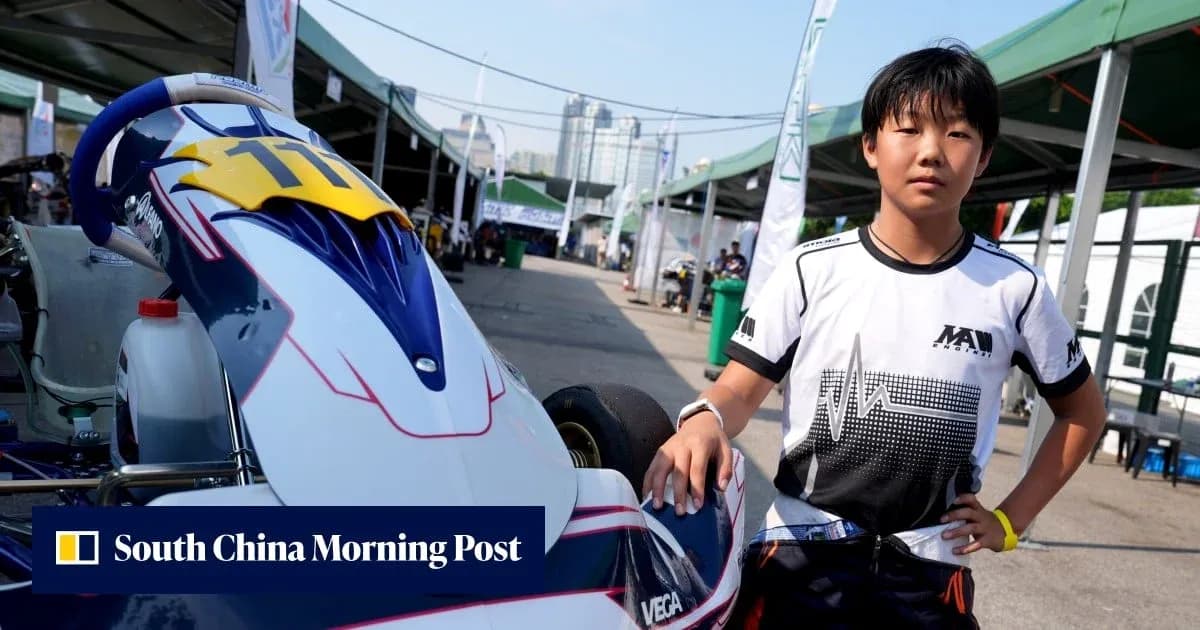
On a tight, unforgiving ribbon of tarmac in Coloane, a 12-year-old from Hong Kong offered a glimpse of motorsport’s future – and of a different way to reach it.
John Han left it until the very last lap on Macau’s tricky Coloane Karting Track on Sunday, then pounced. One decisive move, one clean overtake, and the 2026 Junior FIA Karting Arrive and Drive Asia-Pacific Championship belonged to him.
It was the sort of manoeuvre that makes people look up from their phones and take notice. Late in the race, tyres fading, nerves jangling, Han judged his moment and slipped past, threading his kart through one of the most demanding layouts in Asian karting. For a driver barely into his teens, it was a bold statement.
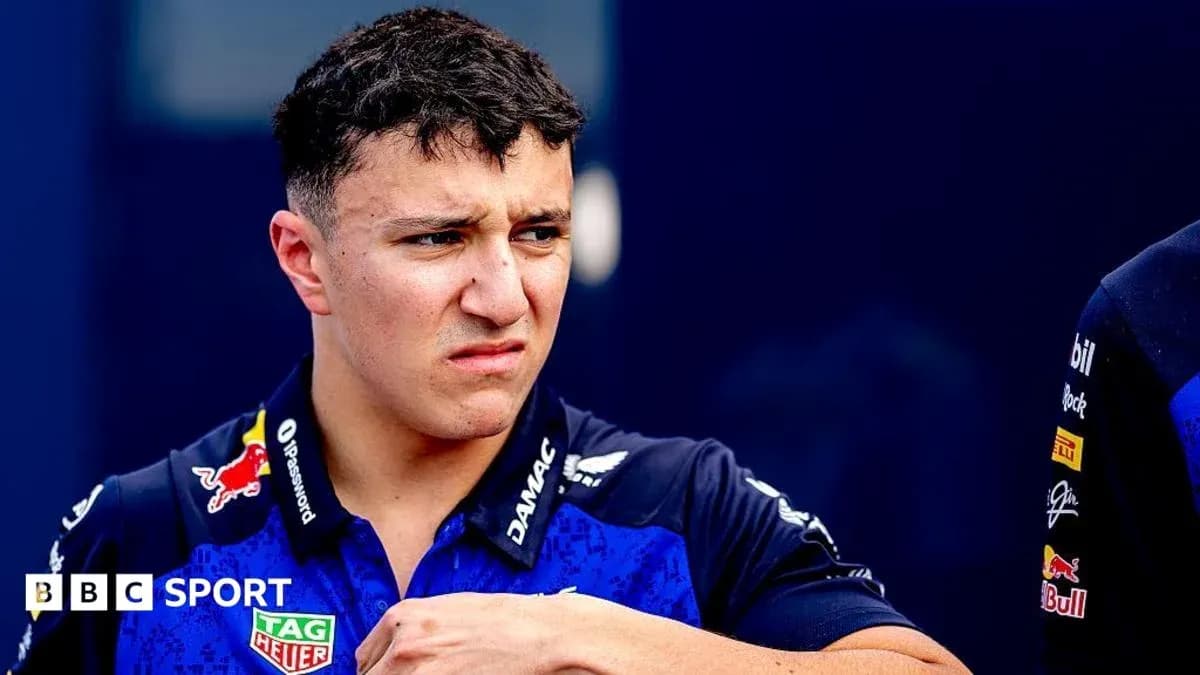
The wider question hangs over it all: where is the next Zhou Guanyu coming from?
Zhou, now reserve driver with the newest Formula 1 outfit, Cadillac, remains a singular figure. He is still the only Chinese racer to have held a full-time F1 seat, a lonely pioneer from a vast market the sport is desperate to tap. His presence in the paddock proves it can be done. His uniqueness underlines how hard it still is.
Han is nowhere near that level yet. No one is etching his name into future F1 grids. But on Sunday he offered something that scouts, coaches and team bosses always search for and rarely find – instinct. The kind that shows itself under pressure, when the safe option is to settle for second and the brave one is to go for the gap.
What makes his win more intriguing is the platform on which it came.
The Junior FIA Karting Arrive and Drive Asia-Pacific Championship strips away many of the usual excuses and advantages that shape young careers. Under the FIA’s global karting plan, launched last year, every competitor turns up to find the same machinery waiting for them. No private test days. No lavishly tuned engines. No secret set-ups bought with deeper pockets.
Drivers see their karts for the first time at the venue. Engines are routinely swapped between competitors to ensure nobody can claim they were lumbered with a bad one. Talent, adaptability, and racecraft stand in the spotlight; money and equipment fade into the background.
In a sport long criticised for its financial barriers, it is a quietly radical idea. The format does not magically level the entire motorsport pyramid, but it does narrow the gap at the entry point, where so many potential careers stall before they even begin.
That is where Han’s victory resonates. He did not win because his family found an extra tenth of a second in a dyno room. He won because, when it mattered, he read the race better and drove faster than the rest in the same kit.
For now, that is all it is: a sharp result in a promising series, a marker laid down in early adolescence. Nobody should be talking about “the next Zhou” yet. The road from Coloane to Formula 1 runs through years of junior formulas, brutal competition, and relentless scrutiny.
But if the sport is serious about finding its next trailblazer from China or its neighbouring regions, this is where the search starts – on identical karts, on a tight street track in Macau, with a 12-year-old daring enough to attack on the final lap.