Italian Grand Prix Faces Extreme Heat Conditions
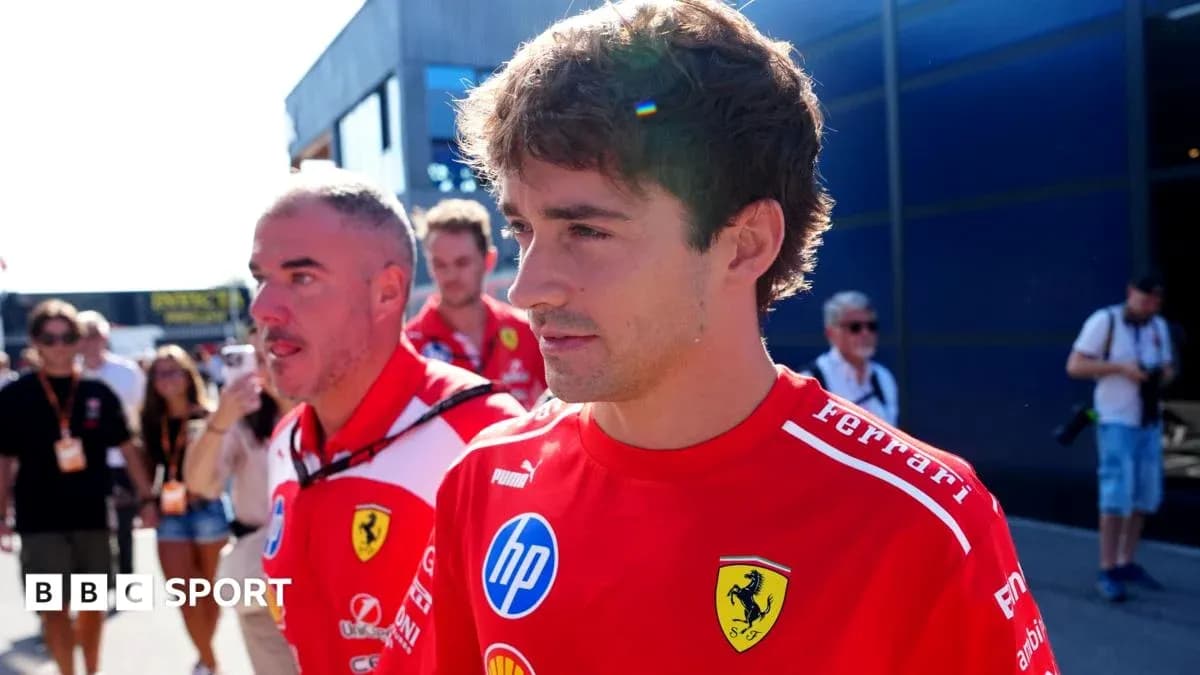
Monza braces for furnace‑like conditions this weekend, with the Italian Grand Prix officially classified as a heat‑hazard race amid the country’s lingering summer heatwave.
Formula 1’s medical and safety teams expect the mercury to climb beyond 31C at some stage during Sunday’s race, triggering the designation and a set of special measures aimed at protecting drivers in one of the most physically punishing events of the year.
Around Monza, north-east of Milan, ambient temperatures are forecast to sit stubbornly in the mid‑30s from Friday through Sunday. They have already given a taste of what’s coming: on Wednesday afternoon, the thermometer hit 36C near Milan’s Linate airport, turning the region into a baking bowl of hot air.
For drivers, that matters. Cockpit temperatures routinely soar far beyond the ambient reading, with heat radiating from the power unit, brakes and tyres, then trapped under multiple layers of fireproof clothing. Over a full Grand Prix distance, that becomes a test of endurance as much as speed.
The ruling allows teams to deploy a dedicated cooling system: a network of pipes running under the drivers’ fireproof tops, circulating chilled liquid such as glycol to help keep core body temperature under control. It is a small but significant weapon against dehydration, fatigue and the loss of concentration that can creep in during the final laps.
There is a choice to be made. The cooling kit is not compulsory, but there is a clear trade-off. Any driver who decides to go without it must carry an extra 5kg of ballast in the car, ensuring no one gains a performance edge by sacrificing safety for weight savings.
In a sport where teams fight over grams, that is a bold deterrent. The message is simple: at Monza this weekend, the heat is part of the contest—and those who ignore it will quite literally carry the burden.