Interlagos Prepares for a Unique Brazilian Grand Prix
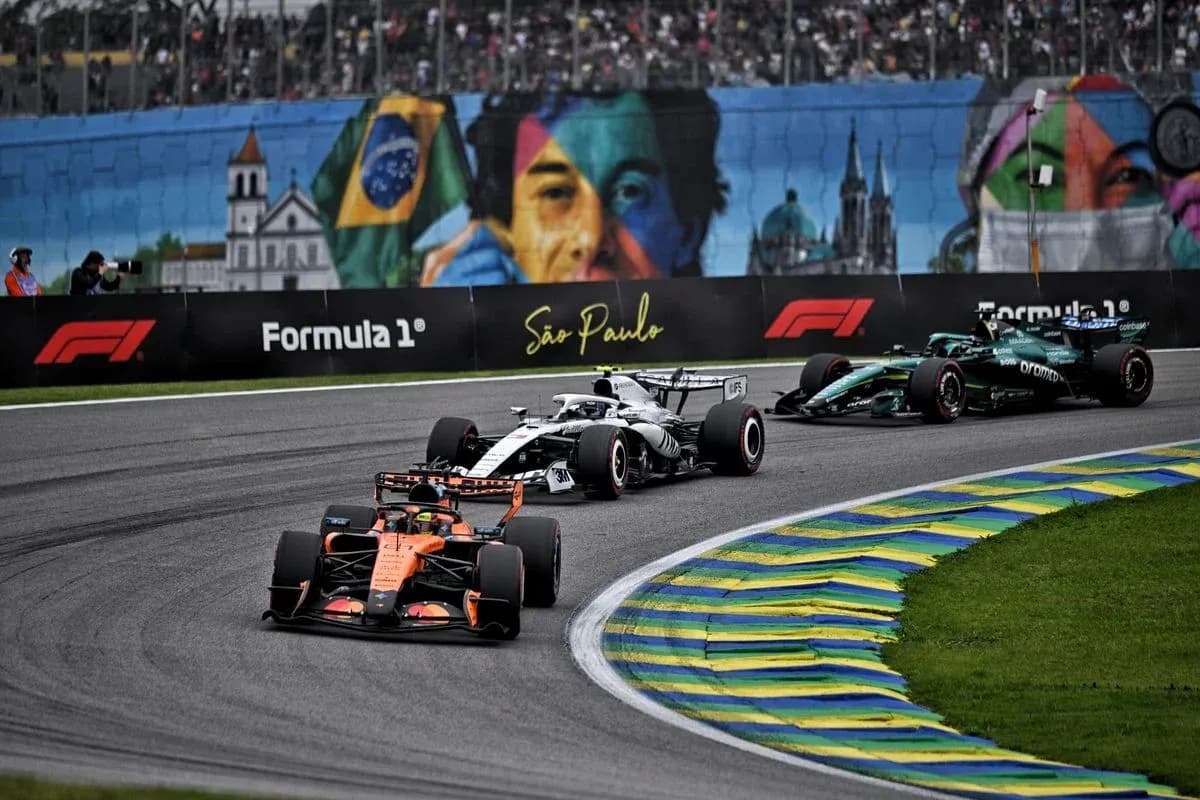
Interlagos has built its reputation on chaos from the back. This is the circuit where the brave and the desperate can carve through the pack, where a lowly grid slot has so often been an invitation rather than a sentence.
This year, many of the drivers who once turned that promise into reality are openly wondering if those days are gone.
The 2026 Formula 1 regulations, and in particular the way energy deployment and active aero now work, have left several of the sport’s biggest names fearing that Sunday’s Brazilian Grand Prix could be a far more static affair than this track deserves.
Hamilton and Verstappen Expect Overtaking Pain
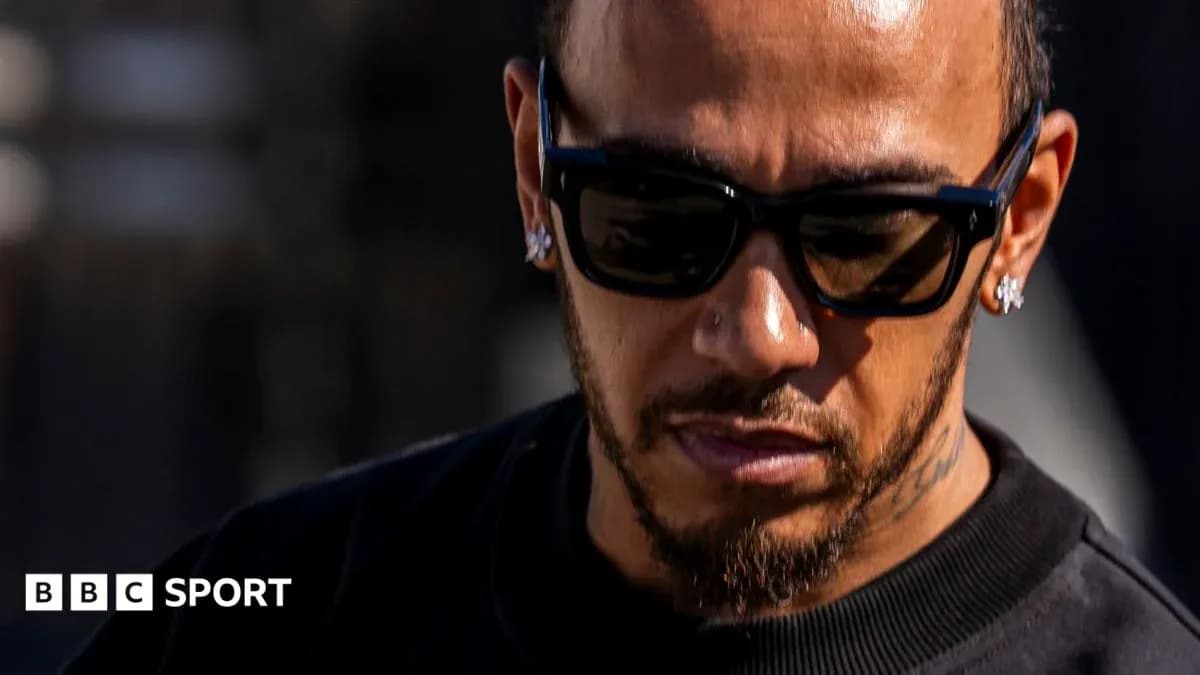
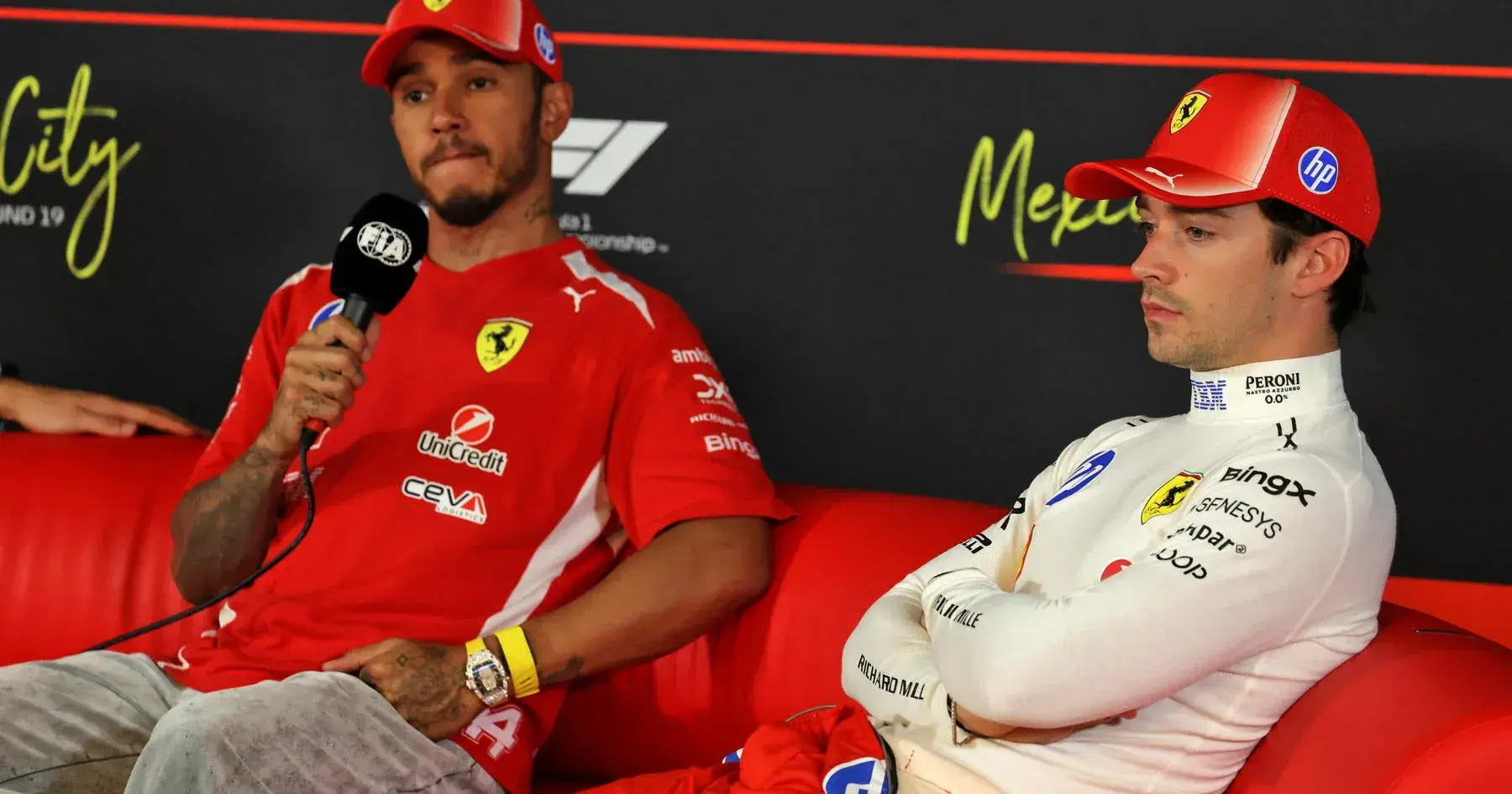
Only a week ago in Mexico, Lewis Hamilton and Lando Norris were already frustrated by the new energy deployment ramp-down rules that kick in once the cars hit a certain speed. Hamilton labelled them “stupid”. Norris said they “kind of ruin racing”.
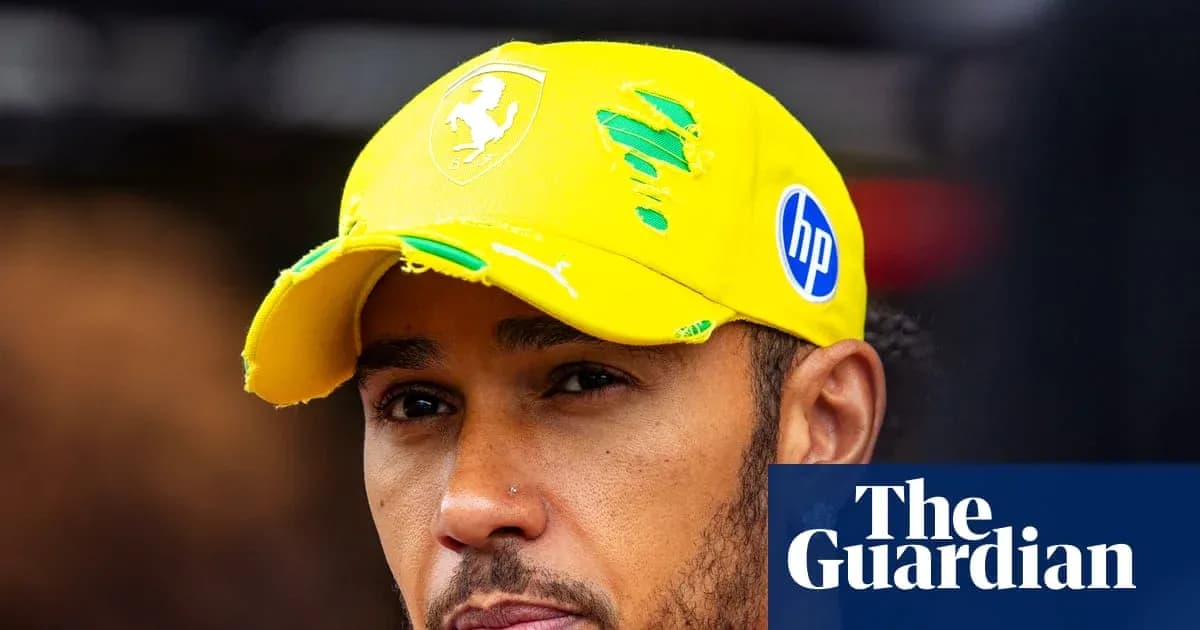
Interlagos is where Hamilton produced one of the defining drives of his career in 2021, storming from the back in the sprint and then from 10th to victory in the grand prix. Max Verstappen did something similar in 2024, winning from 17th on the grid.
Both believe those kinds of charges are now unlikely.
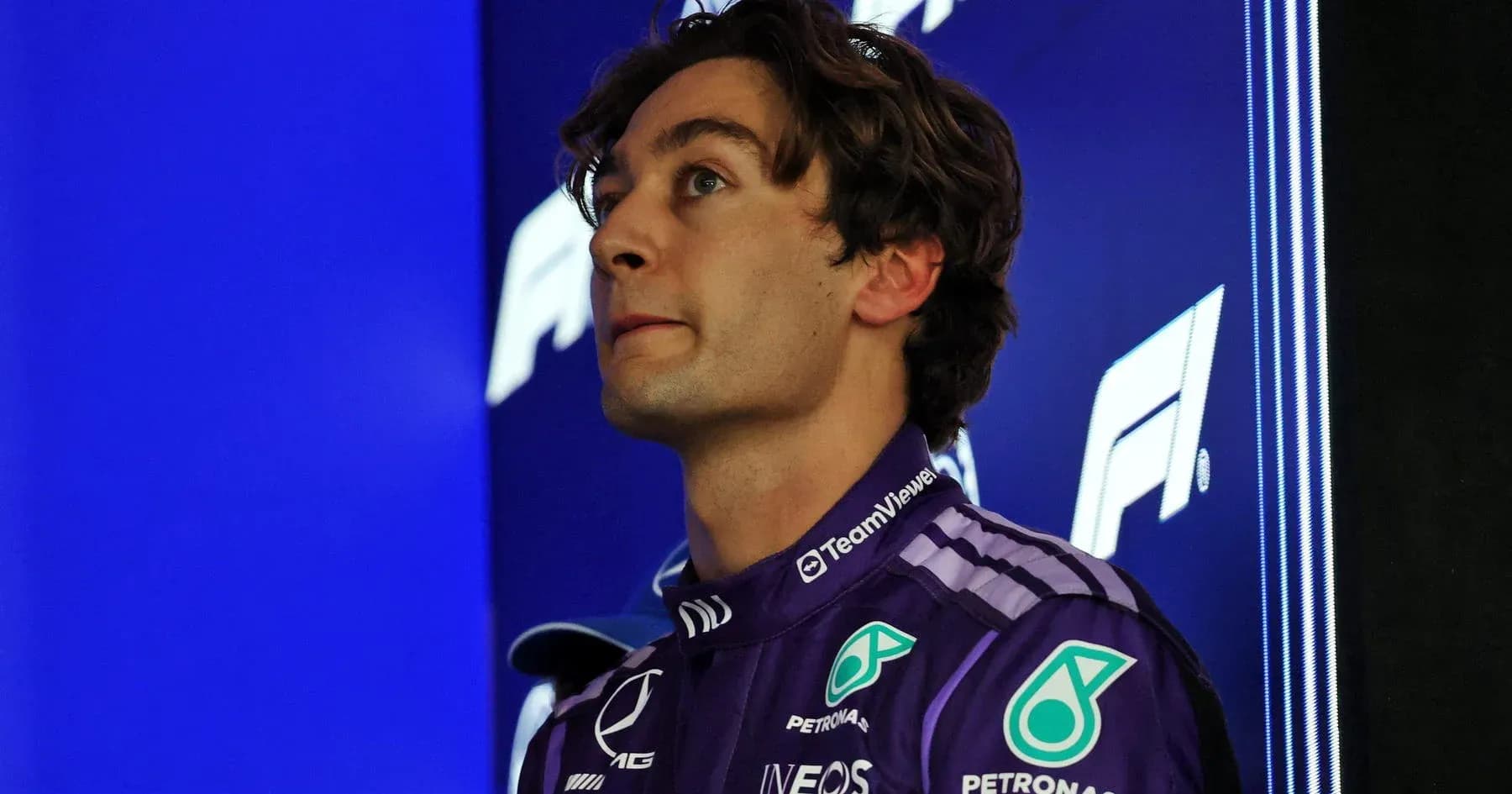
Hamilton starts 20th on Sunday after a 10-place grid penalty and did not hide his pessimism.
“Overtaking will be very, very, very hard,” he said. “I'm not sure you're going to see the same sort of races that you've seen in the past.”
The key difference lies in how straightline performance is now managed. Under the old DRS rules, the car behind could shed more drag than the car in front, creating a meaningful speed differential. Under the 2026 package, every car enters a straight mode that cuts drag, so the field tends to level out rather than stretch.
Verstappen, who once turned the long drag from Juncao to Turn 1 into a hunting ground, expects that to bite hard.
“Now we don't have DRS anymore and the overtake mode is very limiting around here because of the long straight, everyone is draining the battery,” he said. “So your speed difference on the straight is going to be a lot less, a bit like Mexico really. So it will be quite a lot harder, I think, to pass on the long straight.”
The theory is simple: if everyone is fast, nobody is faster.
Overtake Mode: Not the Silver Bullet
On paper, F1’s new overtake mode is meant to rescue the show. Any driver running within one second of the car ahead can tap into an extra 0.5MJ of energy.
On track, that number is underwhelming.
Williams driver Carlos Sainz reckons the benefit is worth “one or two tenths” of a second. At Interlagos, that kind of gain is barely enough to close in, never mind lunge from a car length back into Turn 1.
“Anyway I'm not expecting to look forward too much with the amount of penalties that are happening and everything,” Sainz admitted, sounding unconvinced that the tools at his disposal can offset the compromises of the rules.
If the race stays dry, the fear is clear: long DRS trains have simply been replaced by long active-aero trains, with even fewer weapons for the hunters behind.
Rain: The Great Disruptor
Then there’s the sky.
If the technical regulations threaten to lock the race into formation, the weather forecast is trying its best to blow it apart.
McLaren team principal Andrea Stella is working on the assumption that the Brazilian Grand Prix will be wet, and not just with a passing shower.
“At the moment in the forecast, there's quite a lot of rain, so I would be surprised if we have a dry race,” he said.
Rain changes everything. In the wet, active aero can be disabled, which restores a more traditional slipstream effect and can amplify differences in car balance, driver feel, and tyre management. The same rules that suffocate racing in the dry lose some of their grip on the script.
Stella knows the line between spectacle and stoppage is thin. Heavy spray and aquaplaning can end any argument about racing.
“In some conditions, the visibility is just the fact that the tyres and the cars, they just lift a certain amount of water, and there's nothing you can do, you just have to stop the session because of the visibility and the aquaplaning,” he said.
His hope is for something in between: rain that is steady but not brutal, enough to keep strategy alive without forcing race control’s hand.
“I think if the visibility can be somehow acceptable, then I think we can have a race,” Stella added. “Even if the rain will be steady, it should be lower class, a lower level of rain. And we have seen in qualifying that actually the cars, from a visibility and tyre grip point of view, they can tolerate a certain amount of water. So I'm optimistic that we should be able to have a race. I'm not that optimistic that it will be in dry conditions.”
Pirelli Ready for Anything, Strategy on a Knife Edge
Pirelli came away from qualifying encouraged. Both wet tyre compounds worked well enough to be considered valid options for race day, no matter how the clouds behave.
If the track stays dry, strategy is expected to lean towards two stops. Interlagos is short, busy, and punishing on rubber, and degradation is high. The most likely plans are soft/medium/soft or medium/hard/soft, with the hard compound only really coming into play if temperatures drop into its preferred working window.
A one-stop strategy exists on paper but is around 10 seconds slower, so it sits firmly in the “only if chaos strikes” category.
The real pivot point remains the clock and the radar. By 2pm local time, teams will know whether the morning showers have swept away or settled in. If the rain lingers, tyre choice, timing, and bravery on a damp line could matter far more than overtake mode energy figures.
If it clears, the sport will get a stark look at what the 2026 regulations truly do to a circuit that has historically been a byword for attacking drives.
Interlagos has never been shy of drama. The question now is whether the weather can rescue the racing from the rulebook.