Interlagos Drowns: Brazilian GP Qualifying Stopped by Heavy Rain
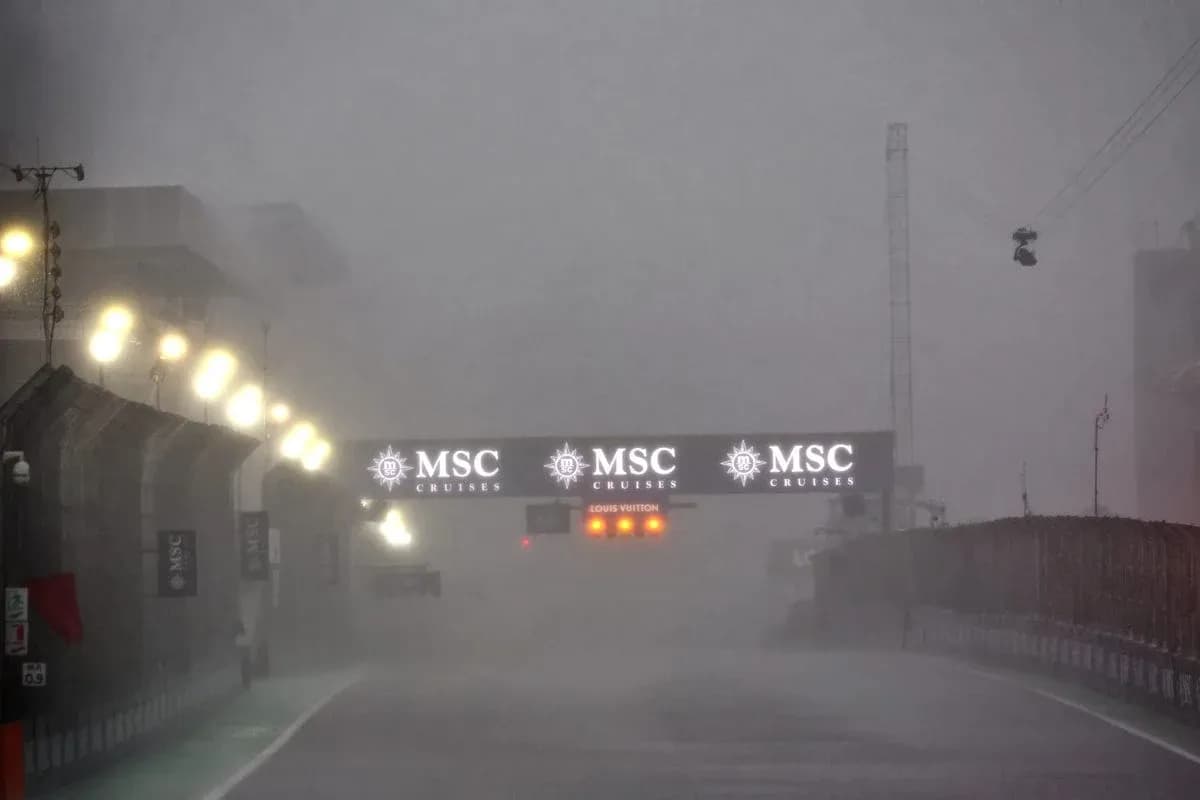
The 2026 Brazilian Grand Prix qualifying session barely had time to breathe before the sky opened and swallowed it whole.
Less than two minutes after the green light, the red flags were out. Interlagos, always a flirt with unpredictable weather, crossed the line from tricky to impossible as torrential rain turned the circuit into a river and forced the FIA to slam on the brakes.
Rain had been on the radar all week, forecast to hit on Saturday. But when it arrived, it did so with a vengeance. As the first batch of cars rolled out, the conditions went from “wet but workable” to “undriveable” almost instantly.
Drivers and Conditions
Eight drivers took the gamble on intermediate tyres: Kimi Antonelli and George Russell in the Mercedes, Charles Leclerc in the Ferrari, Isack Hadjar in the Red Bull, Pierre Gasly and Franco Colapinto in the two Alpines, Fernando Alonso in the Aston Martin and Valtteri Bottas in the Cadillac.
They barely had time to regret it.
Spray hung in the air like a curtain. Standing water pooled in the braking zones. Grip vanished. Replays showed Lando Norris skating perilously close to disaster, his car snapping and sliding in conditions that looked more like a lake than a racetrack.
Antonelli and Hadjar could only laugh over the radio at how absurd it had become, their messages mixing gallows humour with a clear plea for something approaching waterproof racewear. Gabriel Bortoleto captured the paddock’s mood in one line: “When I get out, I need to change my clothes, I'm completely wet!”
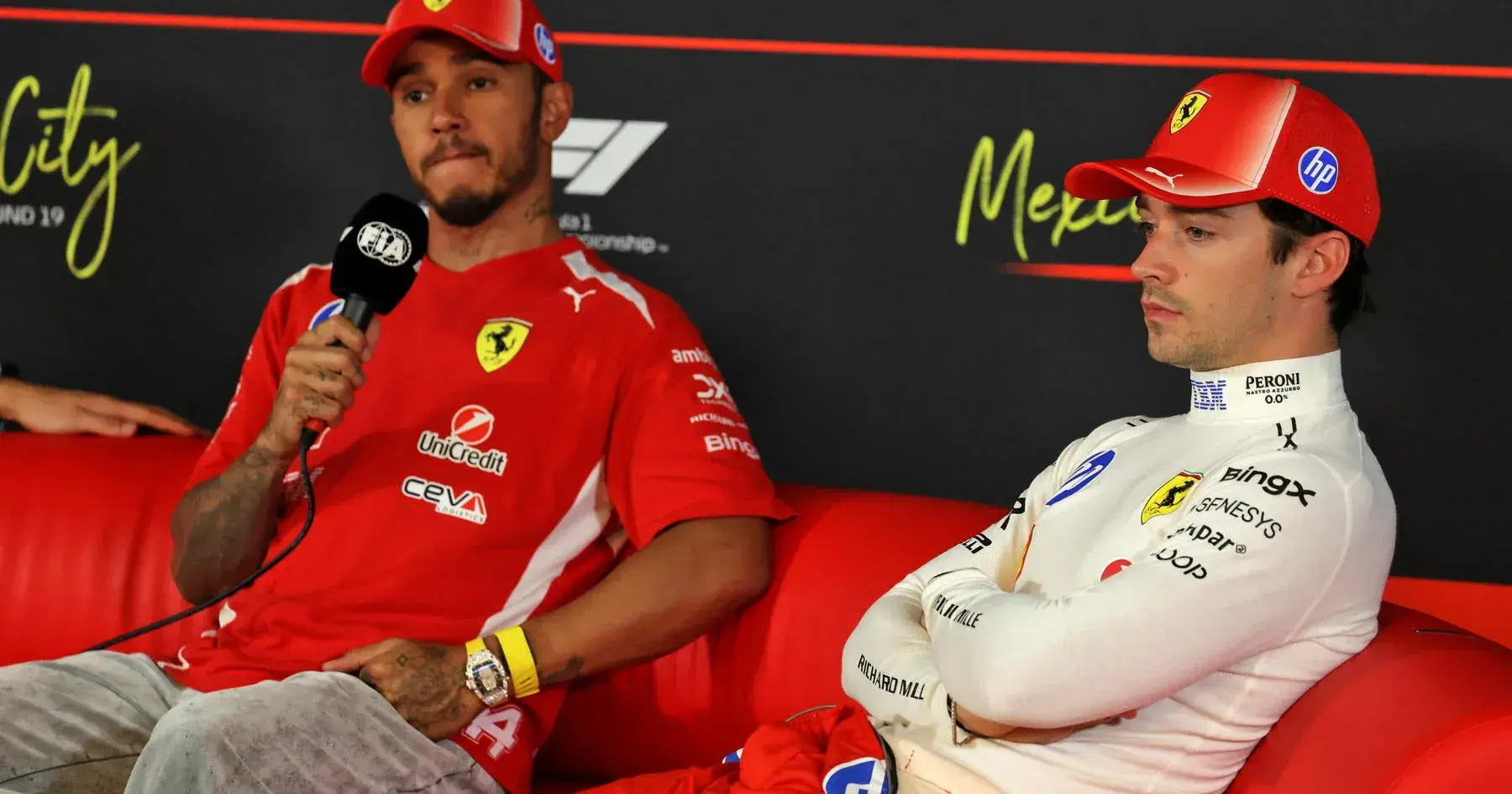
Some of the old hands had already read the script. Max Verstappen and Lewis Hamilton stayed put in the garage, watching the chaos from the dry side of the pit wall. No laps, no risk, no soaked race suits. Just experience doing its quiet work.
Red Flag and Delay
Out on track, though, the stewards had seen enough. The red flag came early, and with the rain still hammering down there was no immediate sign of relief. At 18:08 UK time, Nico Hülkenberg’s engineer delivered the blunt forecast over team radio: this level of rain would last at least another 10 minutes.
The FIA followed up with a statement of its own, confirming an expected 10-minute spell of heavy rain and outlining the next steps. Once the weather eased, the medical car would be sent out first “to assess the level of standing water.” Only if that reconnaissance gave the all-clear could qualifying realistically resume.
Time dragged. Engines cooled. Drivers sat in the garages, helmets off, watching the radar as much as the timing screens.
Thirty-five minutes after the original start time, there was finally a flicker of movement. The safety car rolled out to test the surface, slicing through the spray as the drivers climbed back into their cockpits and suited up again, preparing for a second attempt at salvaging the session.
The optimism didn’t last. After just two reconnaissance laps from the safety car, another band of heavy rain swept over Interlagos. The track, briefly on the cusp of being usable, slipped straight back into the danger zone. Drivers climbed out once more, qualifying frozen in limbo as the storm tightened its grip.
On a day when the stopwatch was supposed to decide everything, the only thing that mattered was the sky – and it wasn’t done yet.