Honda Reshapes F1 Power-Unit Leadership Amid Aston Martin Struggles
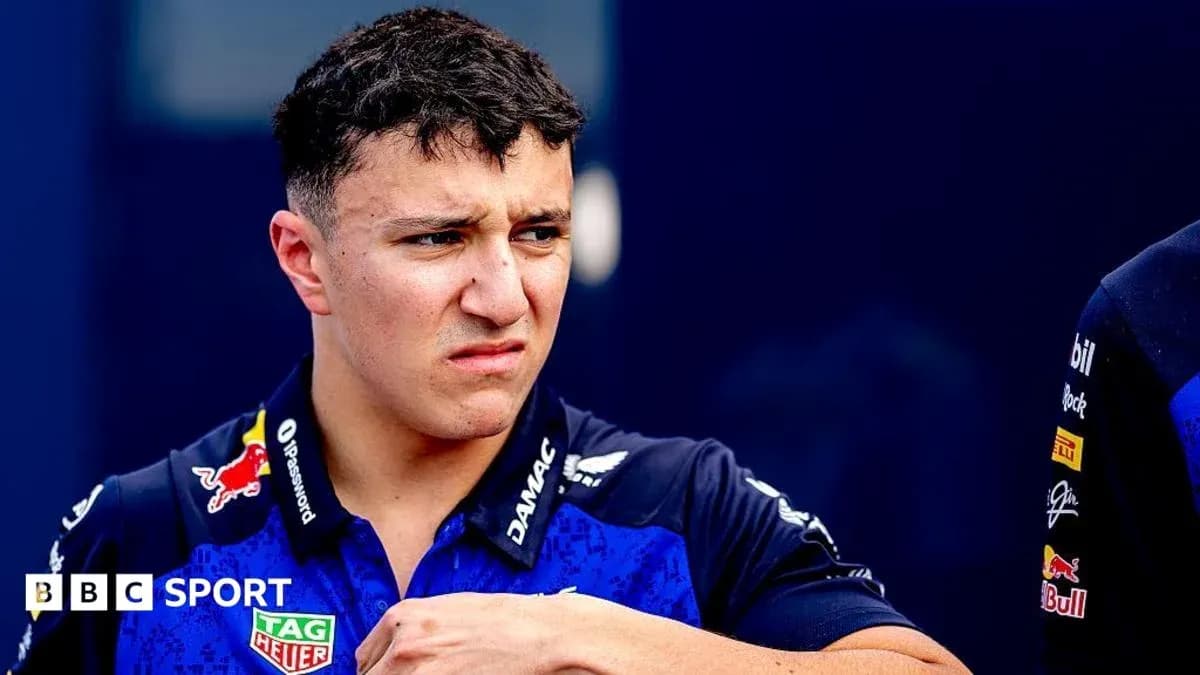
Honda has moved to shake up the leadership of its Formula 1 power-unit project, installing Yoichiro Fukao as the new figurehead of its engine programme that supplies Aston Martin.
The change, described internally as a “planned transition”, comes with Aston Martin mired in a dismal season and Honda under pressure to make its next-generation unit a weapon rather than a weakness.
Fukao steps up for new era
Fukao, currently deputy leader of the F1 project and head of the software division, will become Large Project Leader, succeeding long-time chief Tetsushi Kakuda. The handover is scheduled for 1 October, with Honda positioning the move as part of a long-term succession plan.
A Honda Racing Corporation statement framed the decision squarely around the looming rules reset.
“Honda Racing Corporation will implement a change in the leadership of its F1 Power Unit (PU) development programme, effective October 1st, 2026, with the aim of further accelerating PU development and ensuring a smooth transition to the next generation of engineers,” it read.
“Yoichiro Fukao, currently serving as Assistant LPL (Deputy Leader of the F1 Project, Head of the Software Division), will assume the role of LPL (Large Project Leader), succeeding Tetsushi Kakuda, who has led the PU development to date.
“This organisational change is a planned transition designed to ensure the reliable transfer of technical expertise to the next generation of engineers.
“Following the introduction of the new regulations in 2026, and with further regulatory changes expected from 2027 onwards, Honda aims to establish a robust development framework and deliver a highly competitive PU by transitioning to the new structure at an early stage.”
Fukao joined Honda in 2002 and has climbed steadily through the ranks, taking on his current assistant LPL role in 2022. Now he inherits not just a project, but a problem: how to turn a struggling package into a front-running force in time for a fresh regulatory cycle.
Results expose the urgency
The timing is no coincidence. While Honda talks about long-term planning, the short-term picture is brutal.
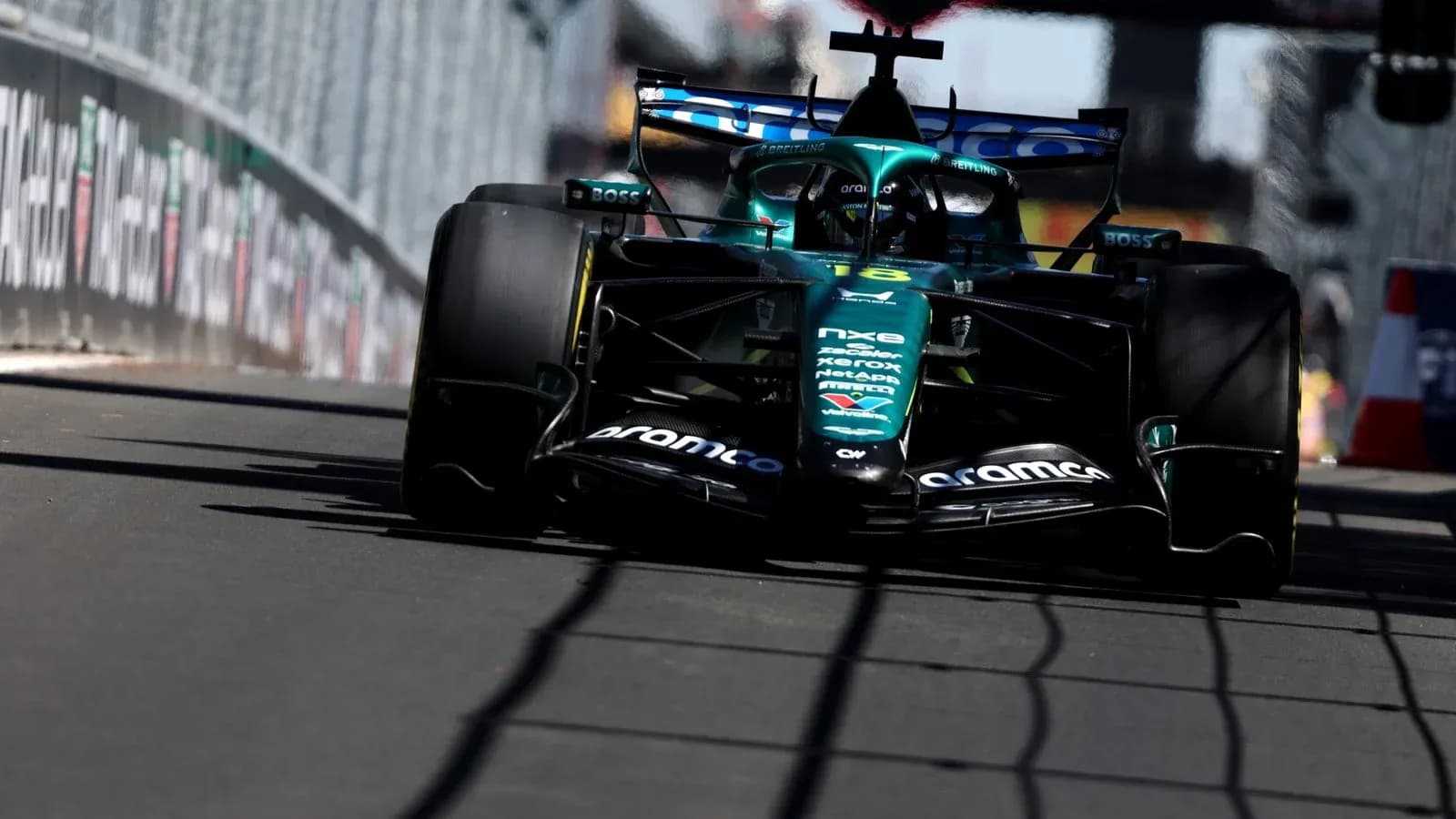
Aston Martin sits 10th in the constructors’ standings with just three points, ahead only of newcomers Cadillac. A team that once threatened the established order now spends Sundays firefighting.
The Spanish Grand Prix underlined the slide. At his second home race of the year, Fernando Alonso could do no better than 17th. Lance Stroll did not see the chequered flag, retiring with brake issues.
Honda had hoped its upgraded power unit, introduced at the Dutch Grand Prix, would at least nudge the team back towards respectability. It has not.
Progress on paper, pain on track
Trackside, Honda insists the path is the right one, even if the results refuse to show it yet.
“Today’s result isn’t what we wanted, but we need to look at the learnings and improvement points that we can take forward to future races,” said Shintaro Orihara, Honda’s trackside general manager and chief engineer.
“Over the past three races we’ve improved the driveability of our spec 2 power unit, which was introduced at the Dutch Grand Prix. By reducing the driveability issue, we can now focus on the performance side.
This weekend, for example, we changed some calibrations to improve this aspect and session-by-session we saw some good signs in the data. This shows us all that we are working in the right direction.”
The message is clear: the rough edges are being filed off. The engine is easier to handle, the software smarter, the data encouraging. But the scoreboard remains unforgiving.
A reset aimed at 2026 – and beyond
That is where Fukao comes in. The new regulations in 2026 promise a seismic shift in power-unit philosophy, with greater emphasis on electrical deployment and efficiency. Honda cannot afford to misjudge it twice.
By elevating a software specialist who has already been embedded in the current project, Honda is betting on continuity with a harder edge. The goal is not simply to build a compliant engine for 2026, but to construct a development machine that can absorb the expected tweaks from 2027 and keep delivering gains.
The language from Sakura is about frameworks, transitions, and next generations. The language in the paddock is simpler: Aston Martin and Honda need a fast car and a fierce engine, and they need them quickly.
The leadership baton has been passed. The regulations are coming. The question now is whether Fukao’s Honda can turn that “planned transition” into the competitive jolt Aston Martin so badly needs.