Honda Revamps F1 Engine Leadership Amidst Struggles with Aston Martin
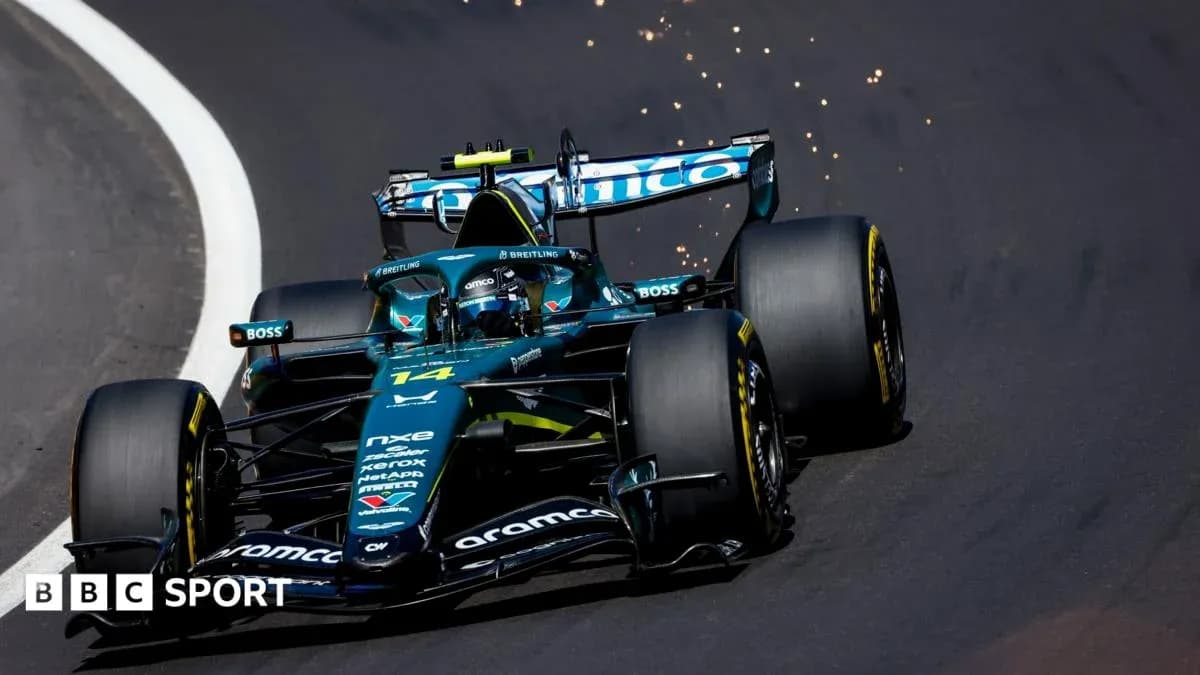
Honda has moved swiftly to shake up the leadership of its Formula 1 power-unit programme after a flat and frankly underwhelming start to its latest chapter in the sport.
The company that powered Red Bull and Max Verstappen to four consecutive world titles from 2021 to 2024 is now staring at the wrong end of the timing screens with new works partner Aston Martin. The combination sits 10th of 11 teams in the constructors' championship, with a best finish of only ninth for Fernando Alonso at the Dutch Grand Prix.
For a partnership launched with such fanfare, that is a brutal reality check.
Fukao steps up, Kakuda steps aside
On Monday, Honda confirmed a change at the top of its F1 engine structure. Yoichiro Fukao, previously deputy leader of the project, has been promoted to Large Project Leader of the F1 programme, replacing Tetsushi Kakuda, who has overseen this season’s power-unit development.
Honda framed the move as part of a longer-term succession plan rather than a panicked response to poor results. In a statement, the company described the switch as “a planned transition designed to ensure the reliable transfer of technical expertise to the next generation of engineers,” stressing the need to lock in knowledge ahead of the next rules reset.
The timing tells its own story. With sweeping engine regulation changes arriving in 2026 and further tweaks already expected from 2027, Honda wants its new structure in place early. The target is clear: build “a robust development framework” and deliver “a highly competitive PU” for the next era.
Right now, though, the present looks a long way from that ambition.
Upgrade falls flat
Honda rolled out its first engine upgrade of the season at Zandvoort for the Dutch Grand Prix, a weekend that was supposed to mark the first real step in the recovery.
Internally, there were signs of encouragement. Shintaro Orihara, Honda’s head of trackside operations, said the company had “observed (a) step forward in terms of performance on our metrics.” But in pure lap time, the gain proved modest. Too modest for Aston Martin’s expectations.
The deficit is stark. The Honda power unit is understood to be costing at least a second per lap when all losses are combined – both from the internal combustion engine and the deployment and recovery of electrical energy. In modern F1, that is a chasm.
The numbers matter more than ever because of what is coming. From 2026, F1 engines will run with an almost 50-50 split between combustion and electrical power. Energy efficiency will decide races. Batteries will be discharging and recharging several times a lap, and any weakness in harvesting or deployment will be punished instantly.
At the moment, Honda and Aston Martin are on the wrong side of that equation.
Alonso left exposed
The impact is already visible on track. At last weekend’s Spanish Grand Prix, Alonso – a driver who has built a career on dragging cars beyond their natural level – never had the machinery to threaten the front.
He dropped out in Q1, 2.2 seconds off the fastest time of the session. For a team that only recently fought for podiums, and for a manufacturer with Honda’s recent title pedigree, that gap is glaring.
Aston Martin’s chassis and aero package have their own questions to answer, but the engine is now firmly under the spotlight. When your works partner is a multiple title-winning manufacturer, “a small step” is not the language anyone wants to hear.
Honda insists this leadership change is about the long game, about 2026 and beyond. The grid, however, is a ruthless judge of the here and now. The stopwatch will show soon enough whether Yoichiro Fukao’s promotion marks the start of a genuine turnaround, or whether this high-profile partnership is in danger of falling behind before the new era has even begun.