Hamilton's Zandvoort Frustration: Ralf Schumacher's Take
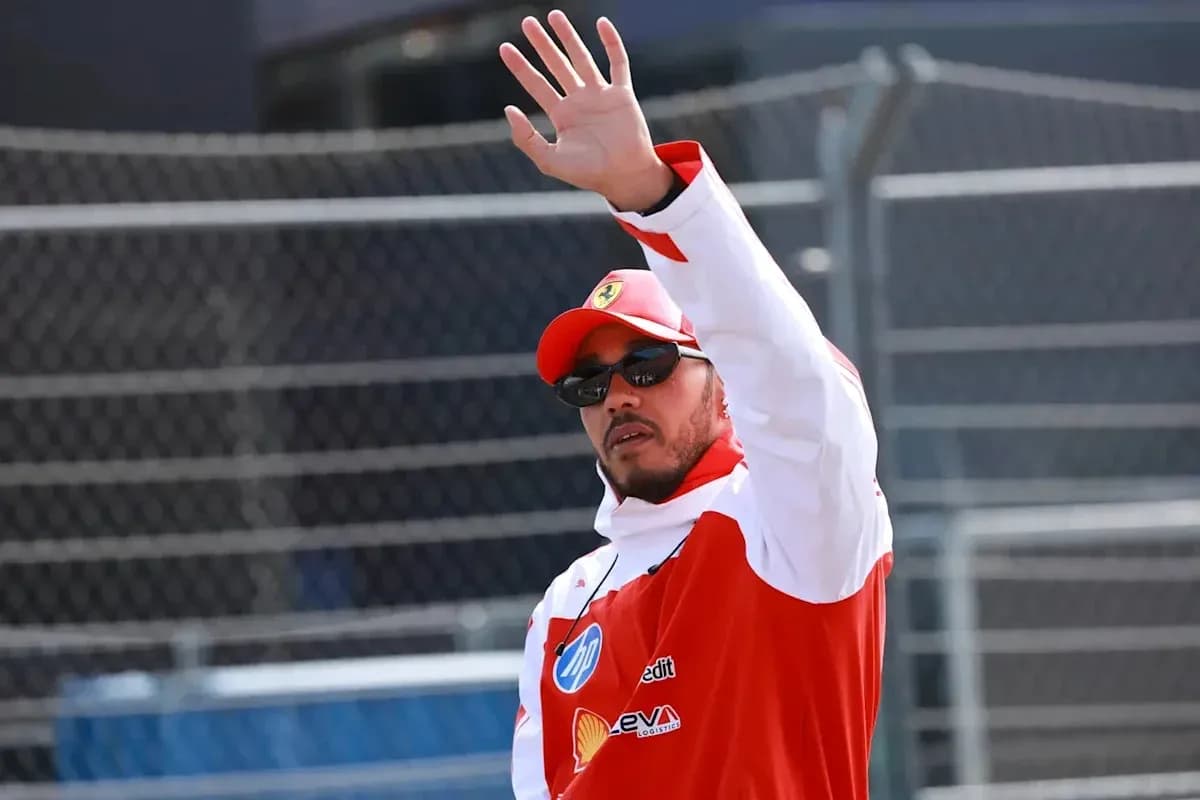
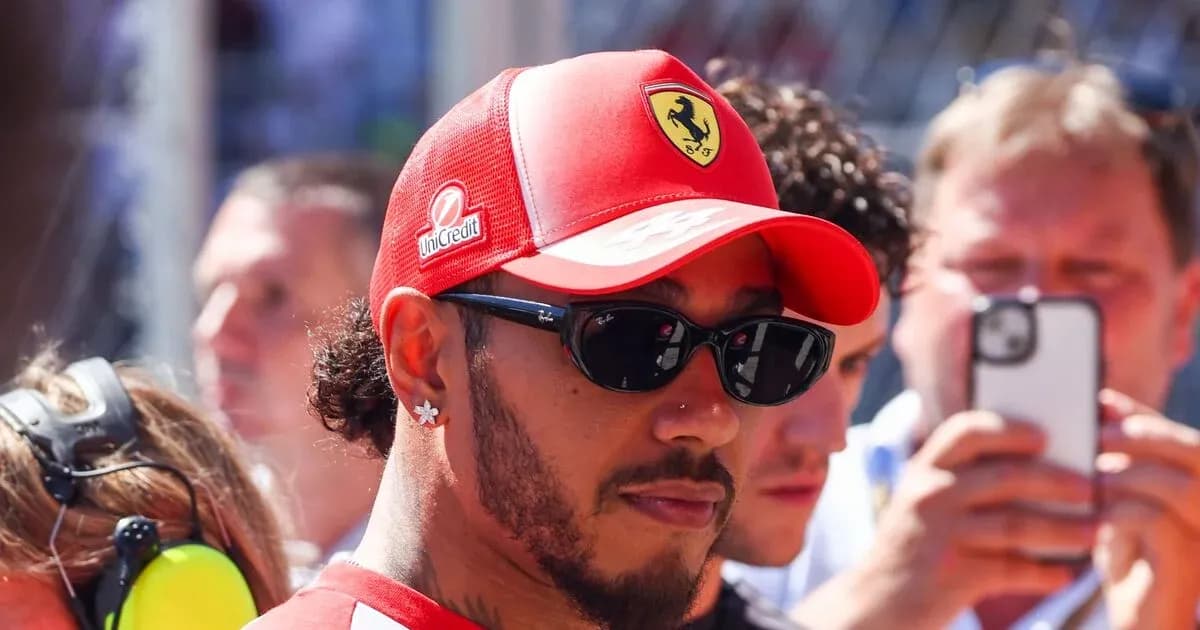
Lewis Hamilton left Zandvoort with more than a points deficit and a bruised Sunday. He left with a debate about how a seven-time world champion should sound when the red mist descends in Ferrari red.
Lando Norris may have taken the win, but Hamilton’s radio traffic became the soundtrack of the Dutch Grand Prix. Lap after lap, the Briton questioned Ferrari’s strategy, the time lost behind Charles Leclerc, and the choices being made on the pit wall. The words were sharp. The frustration obvious. The broadcast global.
By Monday, Hamilton had reached for a different channel. On social media he apologised for the way he had voiced his anger, admitting that emotion had run too hot in the cockpit. He stressed his commitment to Ferrari, underlined that the outbursts came from a burning desire to maximise the result, not from any lack of belief in the people around him.
For Ralf Schumacher, that distinction matters—but not as much as the manner in which Hamilton chose to air his grievances.
“Understandable, but not acceptable” is roughly where the former Formula 1 driver planted his flag. Speaking on the Backstage Boxengasse podcast, Schumacher said he could see why Hamilton was seething in the immediate aftermath, with adrenaline still spiking after a complicated race. Drivers live on that edge. They don’t always step back before they speak.
But this is Lewis Hamilton. Not a rookie, not a man fighting for his first contract. A 39-year-old, seven-time champion, the most decorated driver of his era and the face of Ferrari’s latest grand project.
At that level, Schumacher argued, the bar is higher.
“At his age and with his standing, you could handle it a little differently,” he said, making it clear that the public nature of the criticism was the problem. Ferrari, he feels, deserves more patience from Hamilton than Hamilton does from Ferrari right now.
That’s a pointed remark. Hamilton’s first season in red has been rough, with performances and results well short of the script that was written when he walked away from Mercedes. Schumacher’s view is blunt: last year, Hamilton “really didn’t help the team” enough to be spending capital so freely in public.
In his eyes, the balance of credit still lies in Maranello’s favour. The team, not the star, holds the moral lead. So when Hamilton went on the airwaves, live to the world, to question their calls, Schumacher felt the line had been crossed.
There is another layer to this, one that cuts to Ferrari’s identity. Schumacher hinted at a growing murmur in the paddock, particularly among the Italian contingent, that Hamilton might be the first driver in the Scuderia’s history who appears—at least to some—bigger than the badge on the nose.
That perception is poison in Maranello. Ferrari has always sold the idea that the car, the team, the brand, stand above any individual. When whispers begin that the driver thinks otherwise, every radio message gets replayed with a different edge.
How one lap lit the fuse
Inside the Ferrari garage, the story of Zandvoort sounds less like sabotage and more like a strategy call that slipped away in real time.
Team principal Frederic Vasseur laid out the sequence after the race. Ferrari had expected Hamilton to pit once he caught Leclerc. That was the plan. Then traffic shuffled the deck. With cars in awkward positions around them, the pit wall asked Hamilton to stay out for “one lap more.”
That single extra lap changed everything.
Once they extended, Ferrari boxed themselves into a corner. They couldn’t realistically ask Hamilton to keep circulating yet again and simultaneously orchestrate an immediate position swap with Leclerc. The window closed. The strategy frayed.
Vasseur admitted that the call around lap 46 could have been better. With the benefit of hindsight, there was probably a cleaner route to a stronger finish. But he stood by the decisions made at racing speed, under pressure, with incomplete information.
For him, the real failure lay not in the tyres or the timing, but in the words—or the lack of them.
Ferrari had not clearly told Hamilton that, from their point of view, he was now effectively running to the flag on that stint. He thought he was being asked to push harder in that phase, not to nurse a plan to the end. The misunderstanding fed the frustration, which spilled over the moment he felt trapped behind his teammate and out of sync with the race.
On the radio, that disconnect sounded like a rift. In the debrief, it looked more like a communication breakdown at 300 km/h.
The question now is simple and brutal: can Ferrari and Hamilton turn this flashpoint into a line in the sand, or will Zandvoort be remembered as the day the pressure around Formula 1’s biggest partnership really began to bite?