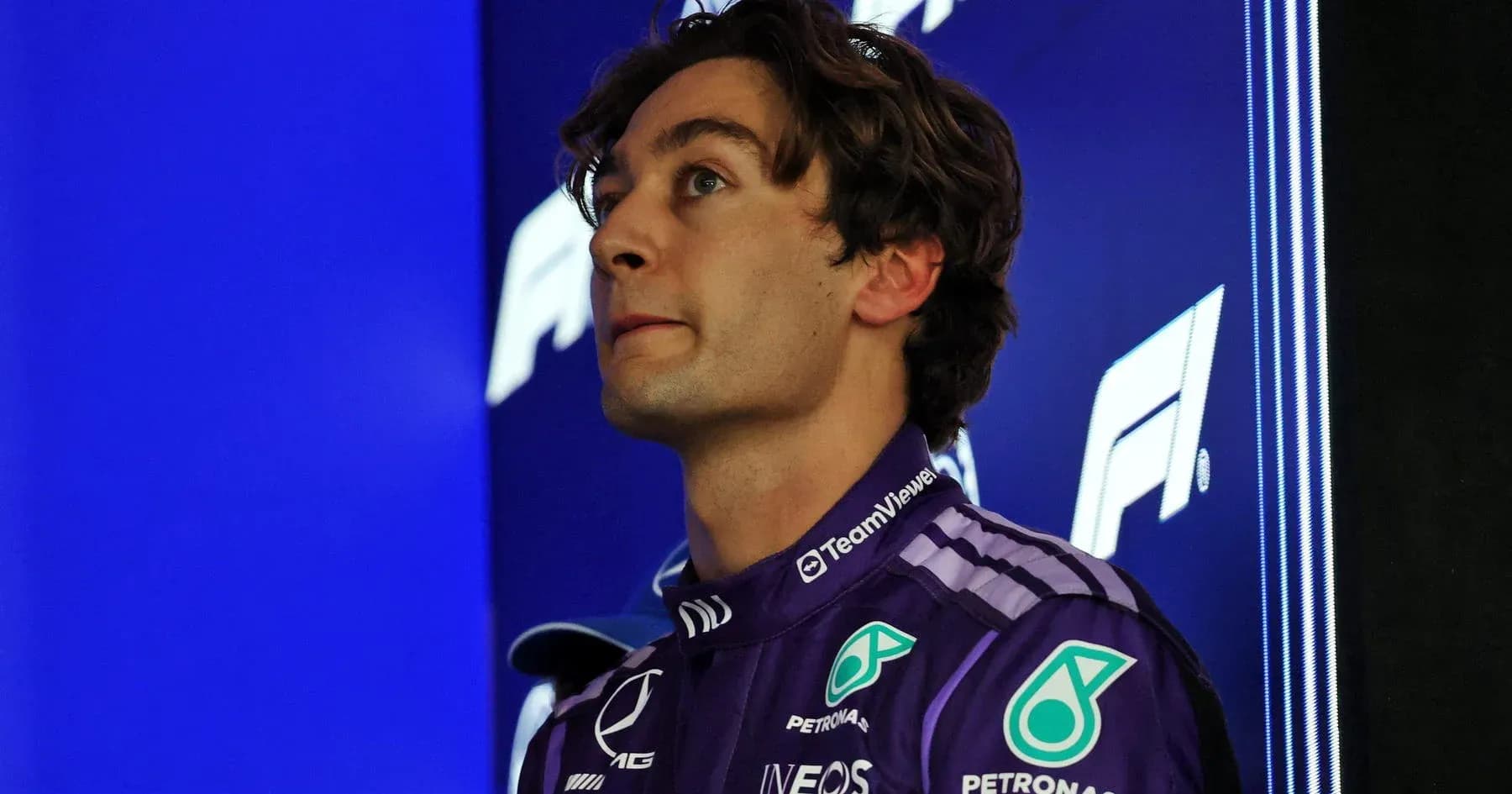
Lewis Hamilton Visits Rafah Border After 400th Grand Prix
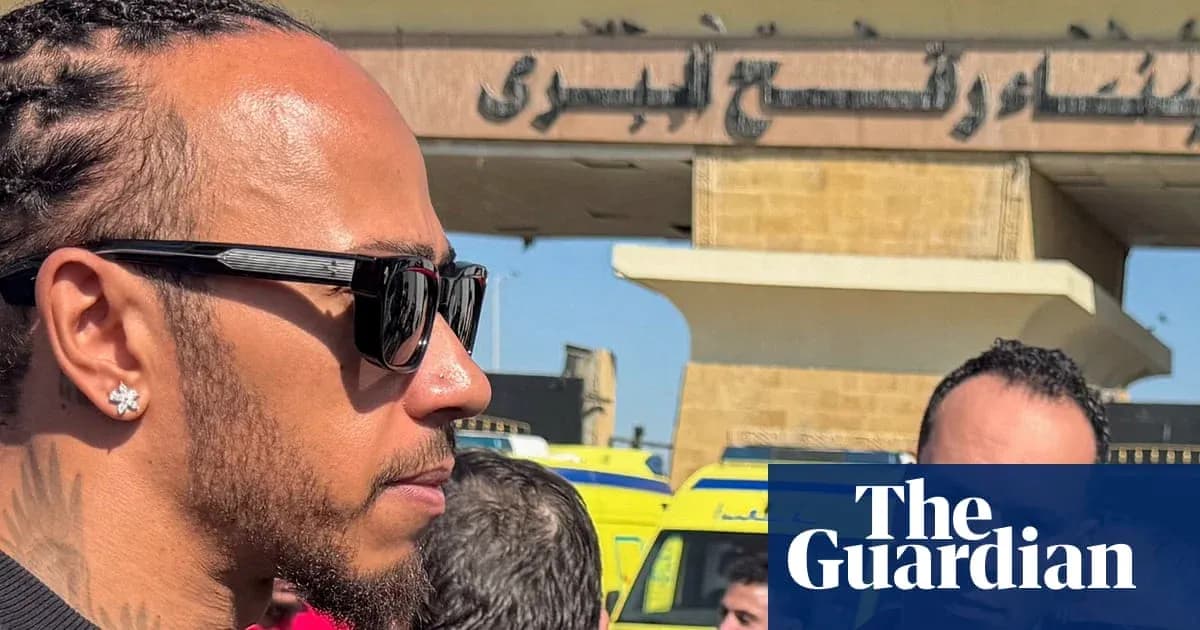
Lewis Hamilton spent Sunday night in São Paulo celebrating a landmark that only one other Formula One driver has ever reached. By midweek, he was standing at Egypt’s Rafah border crossing, watching trucks loaded with food and medicine inch towards a war-battered Gaza.
The contrast could hardly be sharper.
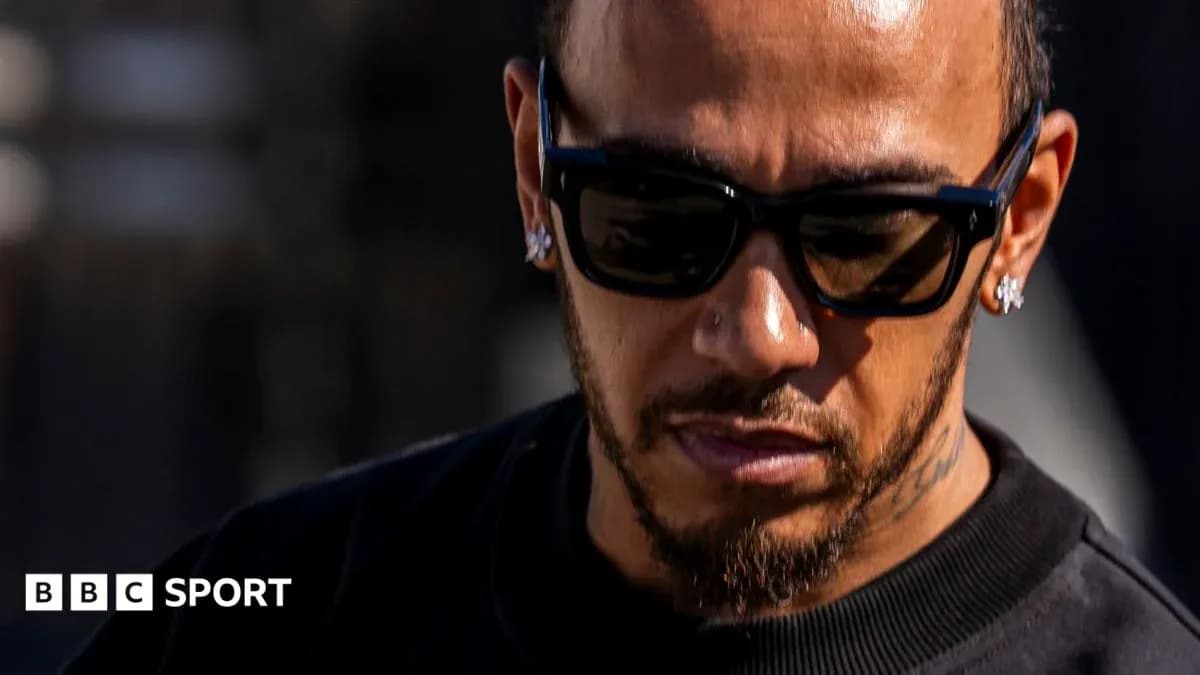
Fresh from his 400th grand prix start at Interlagos, the seven-time world champion travelled to North Sinai to meet organisations struggling to keep humanitarian aid flowing into the Gaza Strip. It was not a ceremonial fly-by. Hamilton walked the crossing, visited logistics warehouses run by the Egyptian Red Crescent and spoke directly with workers on the ground.
At Rafah, he greeted staff with “Assalamu alaikum” – “peace be upon you” – before shaking hands and exchanging a few quiet words with officials and volunteers helping to coordinate the aid effort. Khaled Megawer, the governor of North Sinai, said the visit was designed to give Hamilton a first-hand look at Egypt’s role in trying to sustain the lifeline into Gaza.
The trip fits a pattern. Hamilton has become one of the most prominent global athletes to speak about conflict and humanitarian crises, repeatedly using his platform to call for peace in the region. Throughout the war in Gaza, his social media feeds have carried posts highlighting children killed in Israeli airstrikes and urging an end to the bombardment.
Back in October, as the fighting raged, he widened the lens. “I think we need to make sure we’re pushing to free Congo, free Sudan, free Syria, free Palestine,” he said. “I think there’s a lot of peace that I’m hoping we get to at some stage.” It was a line that travelled far beyond the paddock.
On the ground, that peace still feels distant. A ceasefire agreement reached last year has largely halted major combat operations, but it has not delivered anything close to normality. The minimum target for aid entering Gaza was set at 600 trucks a day; current deliveries remain well below that mark.
At the same time, Israeli forces have continued to push deeper into the enclave. An independent commission of UN experts reported last month that Israeli control had grown from 53% of the territory to at least 60%. Airstrikes have not stopped, and the commission said Israeli fire along the advancing front had killed at least 196 Palestinians, among them 18 women, 32 boys and 11 girls.
That is the landscape Hamilton stepped into at Rafah – a crossing that has become a symbol of both hope and bottleneck. The Egyptian Red Crescent, whose warehouses he toured, plays a central role in funnelling aid through this narrow corridor, trying to bridge the gap between agreements signed in distant capitals and the harsh arithmetic of need on the ground.
For Hamilton, it marks another chapter in a career that has increasingly stretched beyond the confines of the cockpit. The first Black driver in F1 history, he broke through with McLaren in 2007 and has spent much of the past decade using his status to address racism, inequality and social justice. Now, his voice is more frequently heard on war and humanitarian suffering as well.
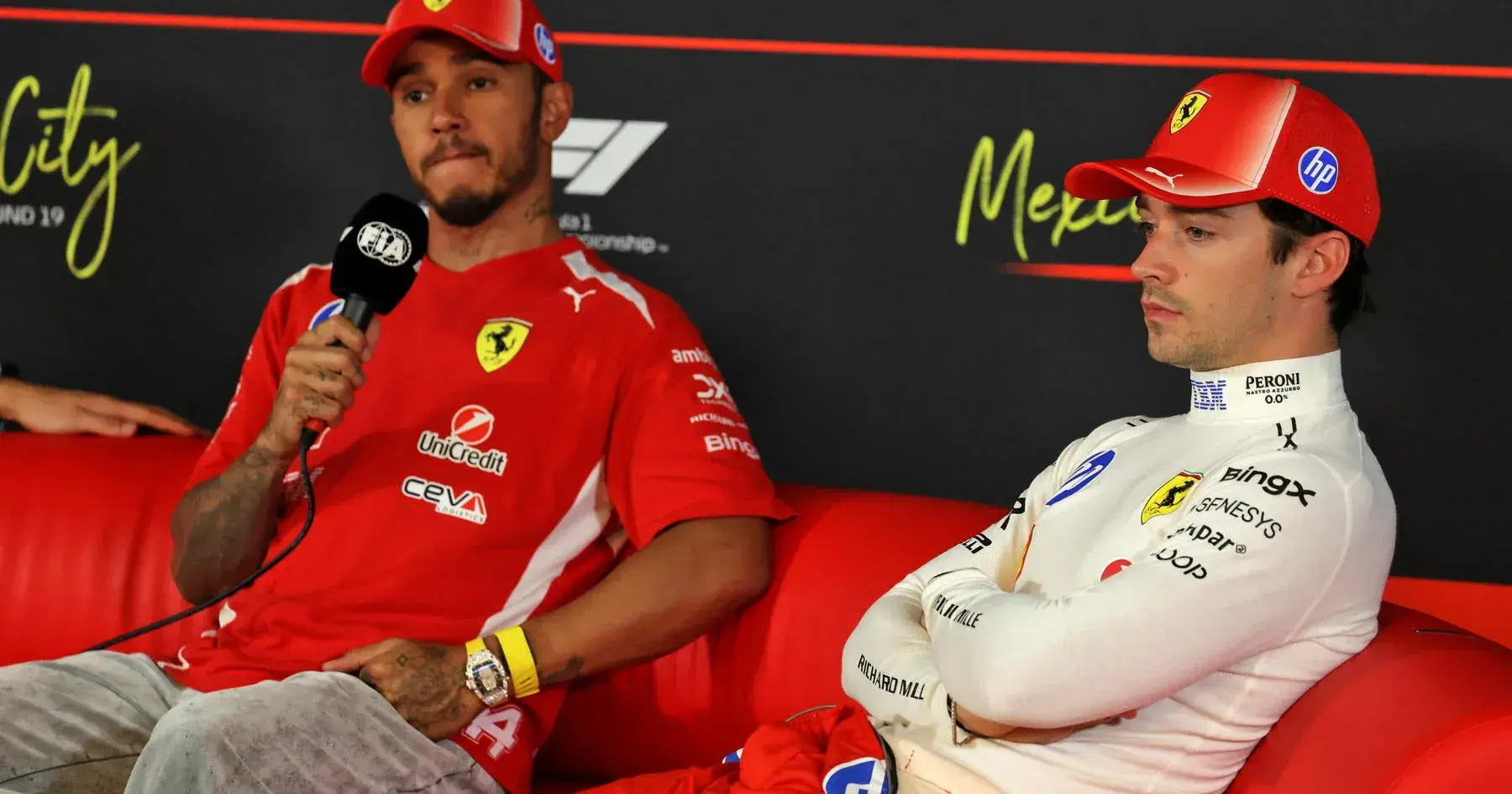
His latest milestone only underlines the scale of that platform. By lining up on the grid in São Paulo, Hamilton became just the second driver in Formula One history to start 400 races, following his former teammate Fernando Alonso, who reached the mark in 2024. From that rarefied company, he has chosen to turn towards one of the world’s most fraught borders.
Rafah offered no cheering crowds, no champagne, no podium. Just the slow, grinding effort to move aid into a territory where need keeps outpacing supply. For a driver who has spent his life chasing fractions of a second, the question now is how much difference his presence and his voice can make in a crisis measured not in lap times, but in lives.