Haas Team's 2027 Focus: Performance Over Contracts
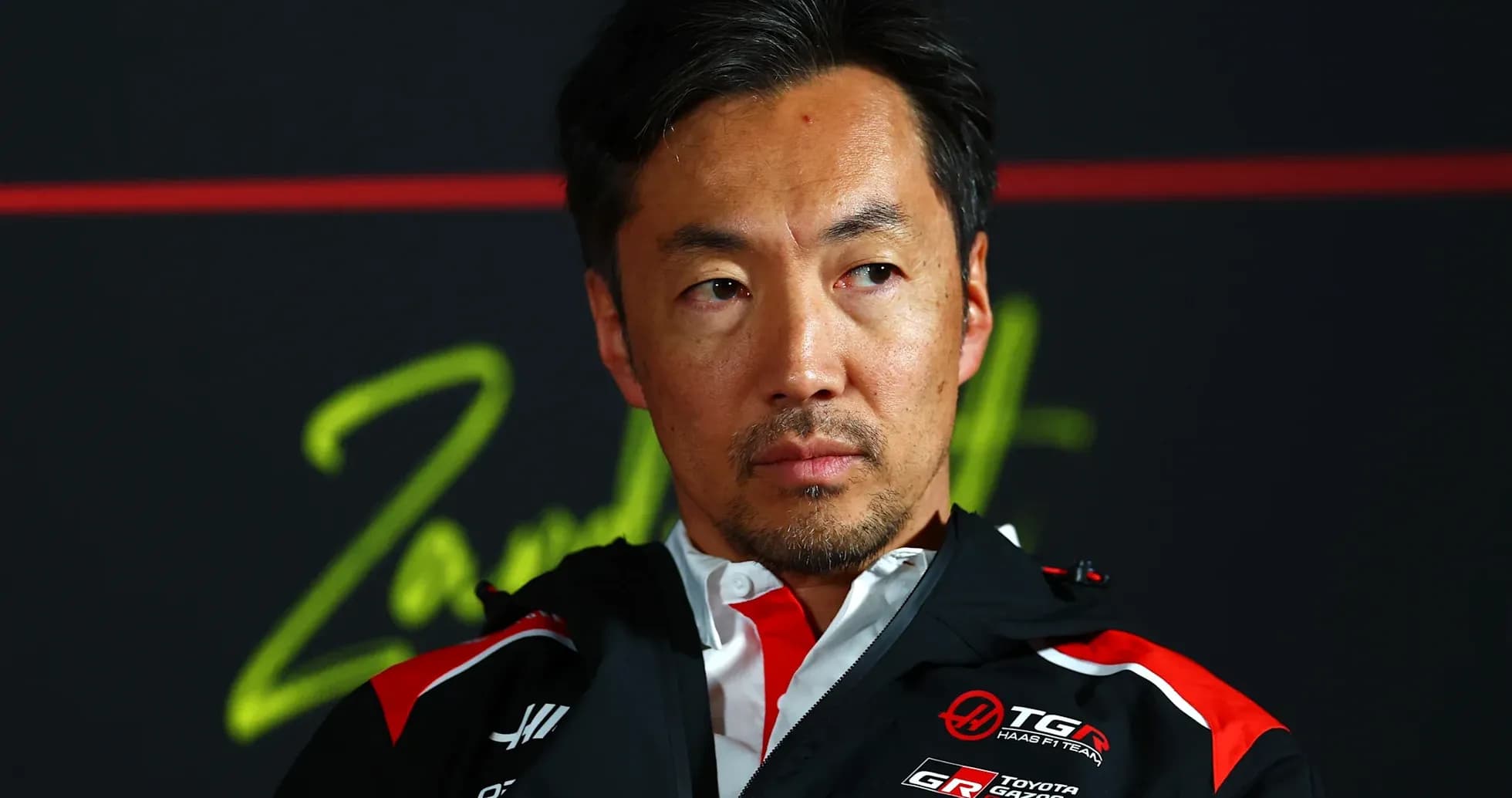
Ayao Komatsu is in no hurry. While the rest of the grid circles the driver market like vultures, the Haas Team Principal insists his priority is not 2027 contracts, but squeezing performance out of what he already has: Ollie Bearman and Esteban Ocon.
Right now, that’s proving hard enough.
A fast start, a brutal slide
Haas opened the season as one of the surprise stories of the new era. Bearman’s P5 in China felt like a statement: the smallest team on the grid had read the biggest regulation change in Formula 1 history better than most. For a few weeks, they were punching well above their weight.
Then the sport’s familiar gravity took over.
As Racing Bulls, Alpine and others began to roll out upgrade packages with relentless efficiency, Haas stalled. The early promise evaporated. The midfield, always unforgiving, moved on without them.
Six races. No points. A team that had briefly looked like a dark horse is now clinging to the back of the pack, watching rivals disappear up the road in a development race Komatsu always feared they might lose.
“This is the biggest regulation change ever,” he admitted before the Dutch Grand Prix. “So us being the smallest team, we expect that we’re going to really be struggling to keep up with the other big boys in the development race.”
He wasn’t exaggerating. Compared to last year, Haas have slipped significantly relative to Racing Bulls and Alpine. The gap is visible on the stopwatch, and even more stark on Sundays.
Bearman vs Ocon: numbers that don’t tell the whole story
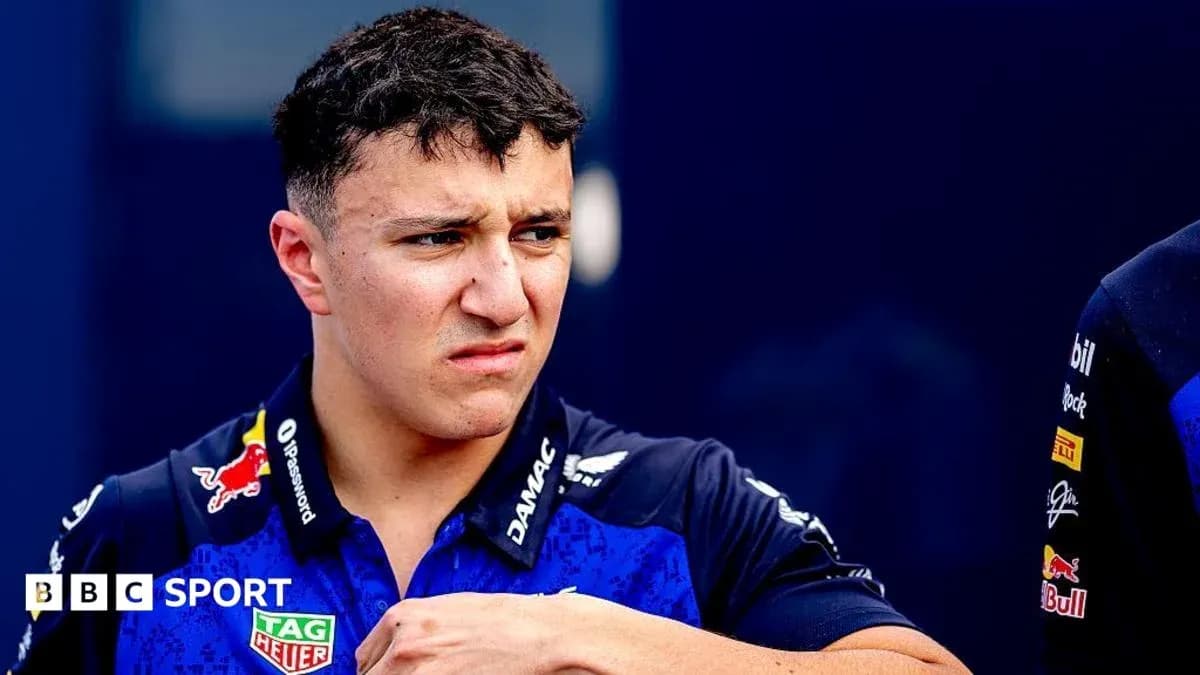
On paper, the intra-team battle looks straightforward. Bearman has 18 points. Ocon has three.
In the ruthless shorthand of F1, that reads like a clear verdict. But inside the garage, the picture is muddier. Bearman himself has suggested the standings don’t fully reflect how close – and complicated – the fight has been, pointing to “inconsistency” between the parts on the two cars.
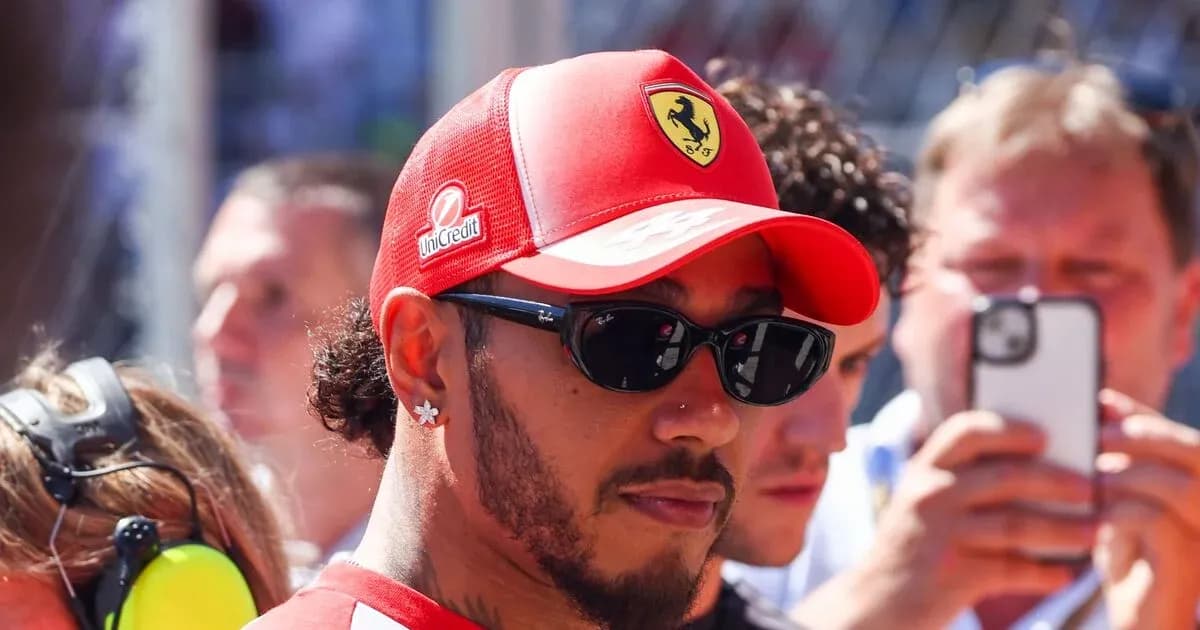
Komatsu’s stance underlines that nuance. He refuses to turn this into a public referendum on his drivers, even as speculation swirls over who will still be in the car in 2027, and with names like Rafael Camara and Yuki Tsunoda hovering on the horizon.
“We’re not in any rush,” he said. “We’re focused on our two drivers, Ollie and Esteban, trying to get the best out of them.”
He knows what they can do. Bearman has already produced headline results in difficult machinery. Ocon, when the car gives him confidence, has shown throughout his career that he can deliver big days against big teams.
So the message from the pit wall is clear: the problem is not the names on the overalls.
A small team in a big-team arms race
Komatsu has been blunt about the scale of the challenge. Haas started this rules cycle better than anyone expected, but that early overperformance may have disguised just how tight their margins really are.
“We started the season extremely well, much better than anyone can think of, and then from that moment I think that’s the reality,” he said. “With our constraints, we’re trying to develop the car as fast as possible, but the other guys are putting performance on the car faster than us. That’s the reality.”
The words are honest, almost harsh, but they don’t come with a hint of blame towards his staff.
“To be fair, honestly, it’s nothing against the guys in the team – they’re doing a fantastic job, they’re working together,” he added. For Haas to keep pace, he knows, everything has to be perfect. Every upgrade, every correlation step, every weekend execution.
“Everything has to be perfect, right? Everything. In life, that’s not something you can ask for all the time.”
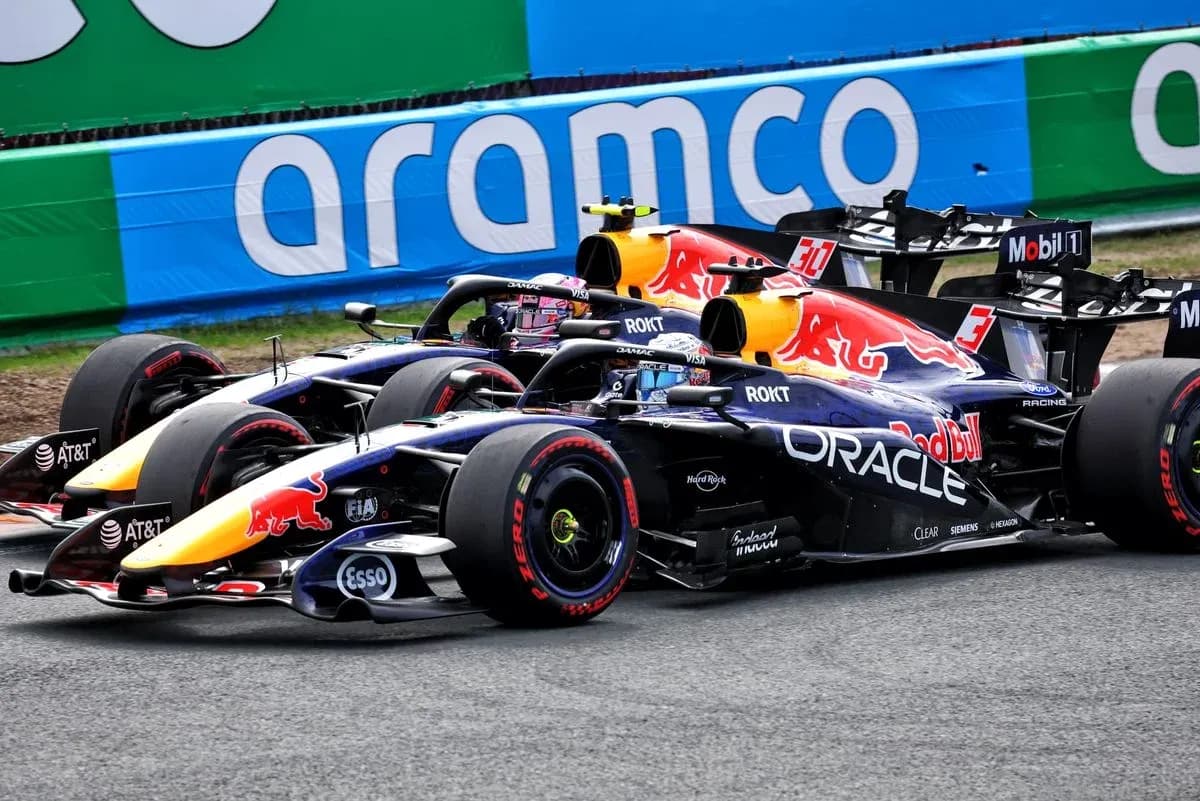
The Dutch Grand Prix underlined that brutal truth. Haas left Zandvoort with a double DNF, no points, and more questions about the direction of their season. The driver market chatter grew louder. Komatsu’s response did not change.
No blame, no shortcuts
Inside the team, the focus has turned inward. Where is the downforce missing? Why is the drivability poor? What exactly are the drivers fighting at corner entry and exit?
“We looked at the problem: what’s the issue, where are we lacking downforce, why the drivability is not great, what are the drivers struggling with?” Komatsu said. “We’re all on the same page, trying to fix the issue, trying to put performance on the car. But of course, again, that takes time.”
That phrase comes up a lot around Haas now. Time. Time for new processes. Time for new ideas to filter through to the car. Time for the smallest operation in the paddock to respond to the biggest rules reset the sport has ever seen.
Komatsu is adamant that culture will matter as much as CFD and wind tunnel hours.
“I really do think I need to provide them with a better environment, facilitate it, so that they can show what they’re capable of. I’m sure of that. But the good thing is those tough times show the character, right? And then there’s no blame culture.”
No finger-pointing. No public dressing-downs. Just a group trying to hold its nerve while the stopwatch tells a painful story.
“Lots of things we’re putting in place will take time for it to materialise,” Komatsu said. “But we’ve just got to believe in ourselves, the teamwork, support each other, and we’ll get through it like we did the last two years.”
The driver market will not wait forever. At some point, Haas will have to decide whether the future is built around Bearman, Ocon, or a new face entirely. For now, Komatsu is betting that solving the car will answer half those questions on its own.
If the upgrades land and the points return, the choice of who stays in the cockpit might suddenly look very different.