George Russell's Frustration After Missed Pole Position in Sao Paulo
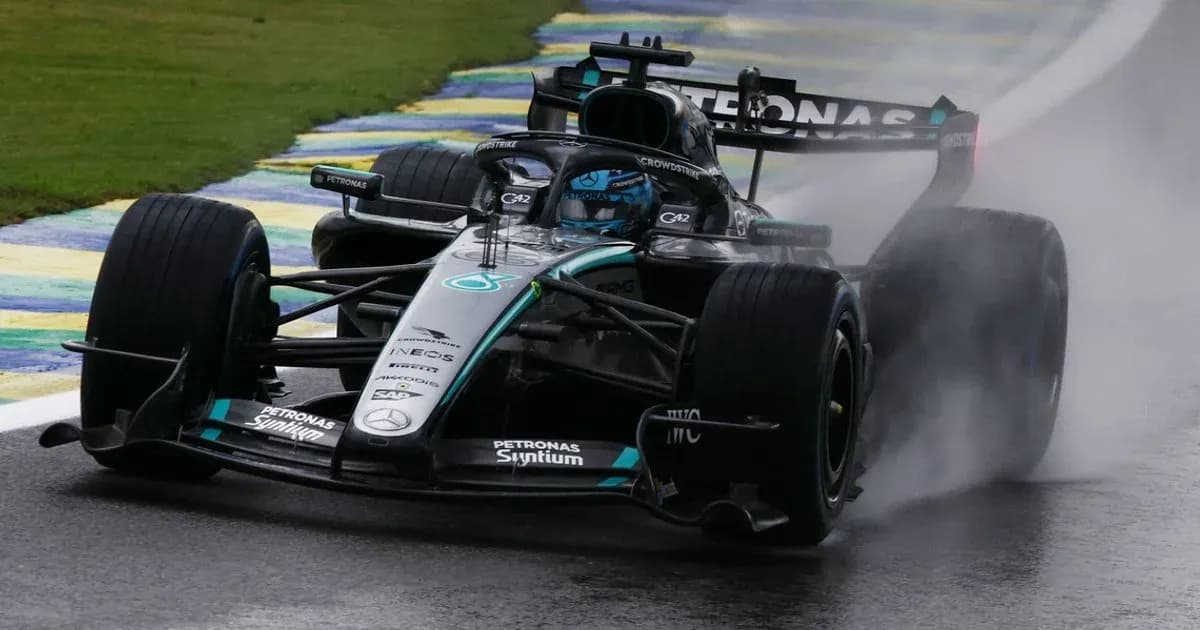
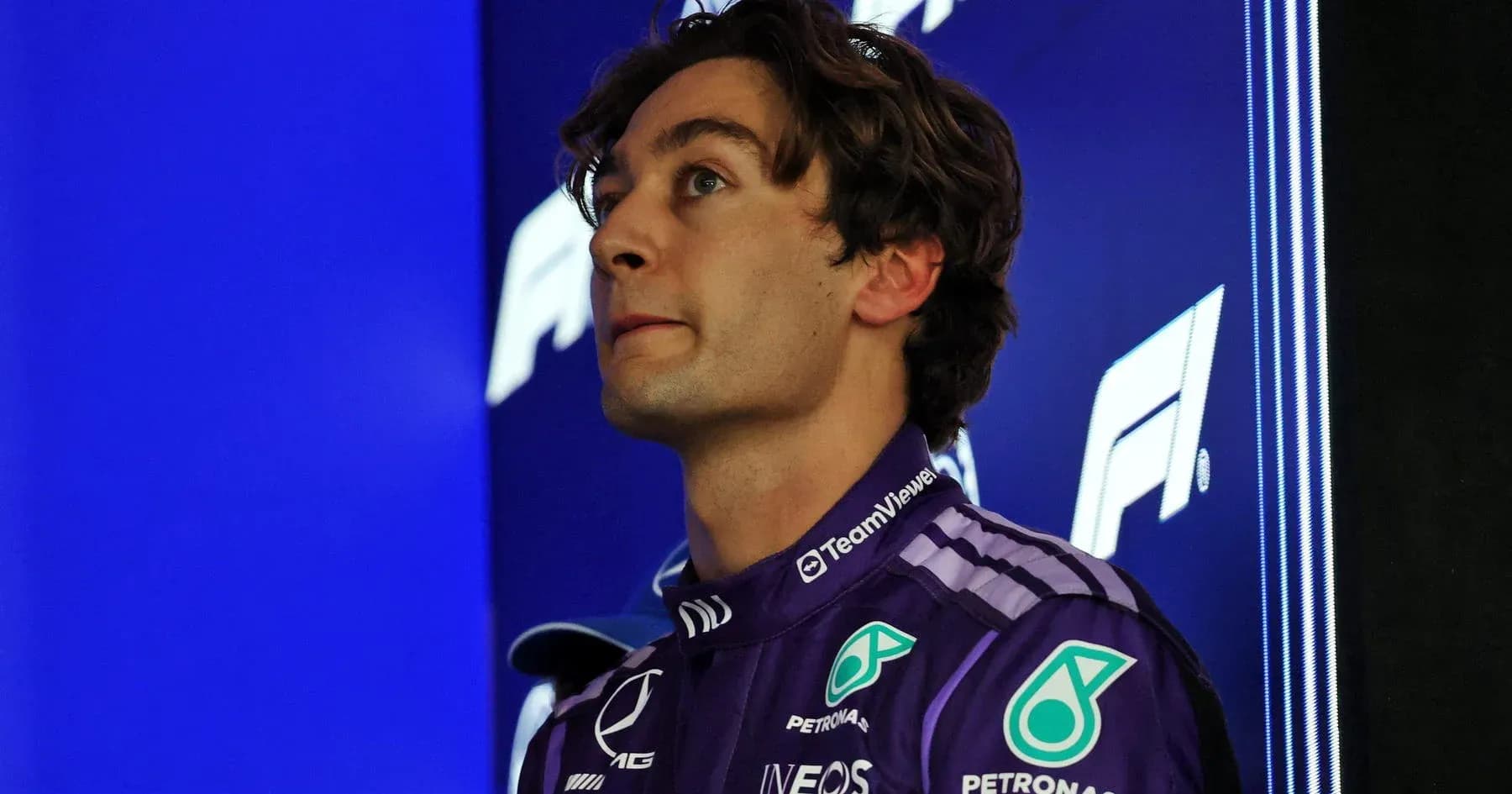
SAO PAULO – George Russell climbed out of the car knowing he had been the quickest man on track. The timing screens said second. The grid will say seventh. The radio, though, told the real story.
“Mate, you told me to back off! What the hell?” he snapped, voice cracking through the team radio as the rain closed in over Interlagos and his shot at a morale‑boosting fastest lap slipped away. “P2. I don't want to be P2. I want to be P1.”
Russell had arrived at qualifying carrying a five‑place grid penalty for an engine change, but he attacked the session as if pole were still his to own. Penalty or not, he wanted the statement lap, the feeling of being on top again at a circuit where he took his first F1 victory in 2022.
For most of qualifying, he looked like the man to beat. Confident, aggressive, visibly at ease in a car that has spent much of the season fighting him. Then came the crucial moment in Q3.
On a flying lap on intermediate tyres, Russell closed in on Alex Albon’s Williams. The team told him to back off. The next lap never came. The rain did.
The pole time, set by McLaren’s Lando Norris, stood untouched as the conditions deteriorated. Russell’s abandoned effort left him second on the timesheets, but with the penalty he will start only seventh on Sunday.
Team principal Toto Wolff knew exactly what had slipped through their fingers.
“I don't think it would have been enough for pole, but he drove perfectly all session and merited to be on pole,” the Austrian said of the aborted lap. “He deserved it but you can't make that call. It's 50% right or wrong.”
This time, the coin landed on the wrong side for Russell.
His season has already been a wild swing of expectation and frustration. He began the year as a title favourite, only to watch teammate Kimi Antonelli secure the championship one race ago in Mexico City. Now Russell finds himself fourth in the fight for overall runner‑up, chasing a consolation prize in a campaign that once promised so much more.
Out of the car and away from the heat of the radio, the 28‑year‑old was no less convinced about what he had lost.
“That was definitely the pole lap,” he said. “Misjudgement on our side. Need to understand what happened as obviously the rain was coming and we should have just finished the lap.”
The sting lay in how good he finally felt behind the wheel.
“I mean, I felt good out there. It's the first time in a while I've felt confident in the car. I felt more confident in the wet than I do in the dry, I don't really understand why that was. I felt more like myself... unfortunately when it mattered we didn't execute.”
That assessment found an unlikely echo in the rival garage. McLaren team boss Andre Stella, celebrating Norris’s pole, still pointed towards the silver car as the real benchmark in Q3.
“The Briton was probably the fastest car in the third phase of qualifying,” Stella admitted. He explained that Russell “was not impeded, but he just found Albon, and he couldn't close his second lap on inters, which I think up until that point was on par with pole position, if not faster.”
So the narrative of Saturday at Interlagos is not simply Norris on pole. It is Russell, finally in a rhythm, finally with a car beneath him that allowed him to attack, only to be reined in by a call his team judged to be a coin toss.
The rain did the rest.
Sunday now offers a different kind of challenge. Seventh on the grid, a car that suddenly feels alive in his hands, and weather that may yet turn this race into another Sao Paulo epic.
For a driver who insists he “felt more like myself,” the question is no longer whether he had the speed for pole. It is whether he can turn that lost lap into the kind of comeback drive that reshapes the story of his season.