Gasly Loses Monaco Podium as FIA Court Upholds Penalties
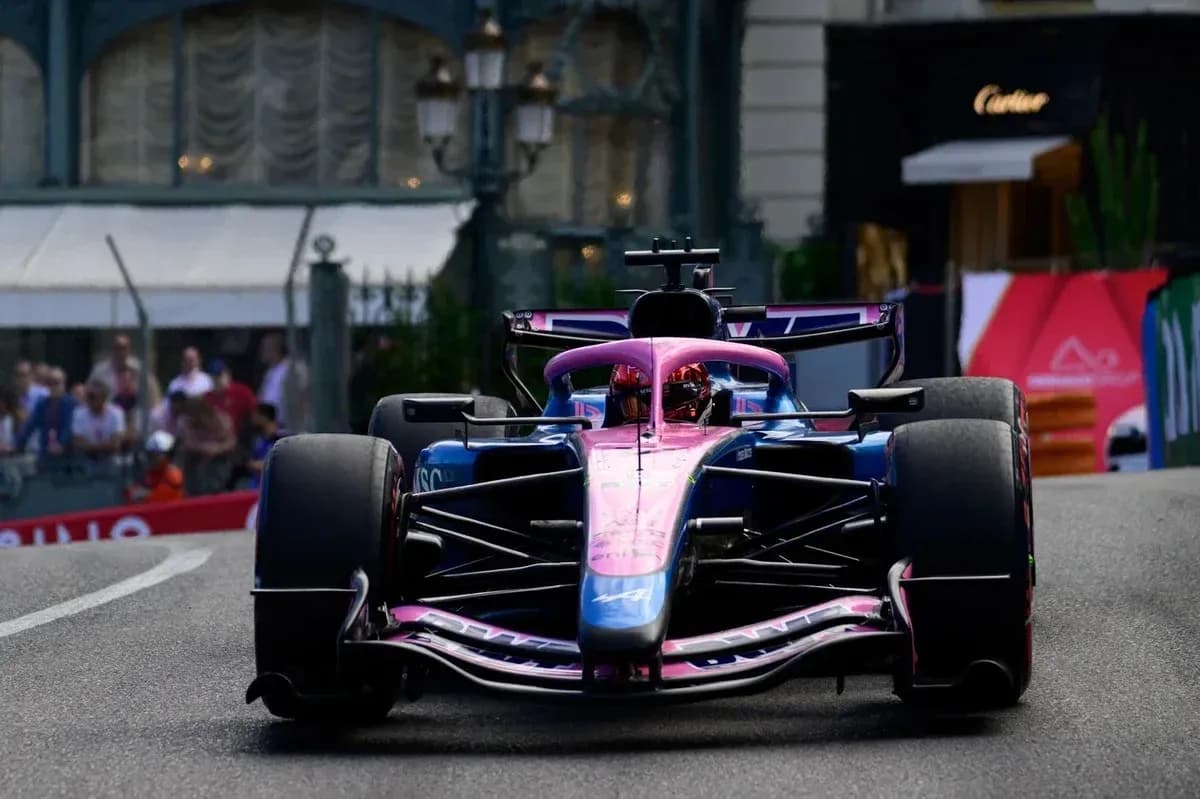
Pierre Gasly’s Monaco fairytale has been torn up for a second time. The Alpine driver has lost his hard-fought podium in the principality after the FIA’s International Court of Appeal ruled that his pitlane speeding penalties must stand.
What had briefly looked like justice for Gasly and Alpine has swung back the other way. The Frenchman drops from third to seventh in the final classification. Fellow countryman Isack Hadjar moves back up to the third place he originally celebrated in Red Bull colours on the streets of Monte Carlo.
A 77cm Error That Sparked a Storm
The controversy began with a technical glitch in one of Formula 1’s most tightly controlled environments: the pitlane.
Several drivers were flagged for pitlane speeding during the Monaco Grand Prix. Only later did it emerge that the timing loops in the pitlane were misaligned, with a 77cm discrepancy between the first two measurement points. That tiny distance error created a very big problem, producing an unusually high number of speeding infractions.
Oscar Piastri and George Russell were among those caught out. They served their penalties during the race — Russell even took a drive-through after Mercedes incorrectly handled his sanction — and paid the price immediately in terms of track position.
Gasly’s case was different. His two five-second penalties were added to his race time, dropping him from third to seventh after the flag. Because of that timing, Alpine had the option to request a right of review once the measurement issue came to light.
The stewards agreed. On 12 June, they overturned Gasly’s penalties, reinstating him to third and handing Alpine a rare Monaco podium.
For some teams, that was a step too far.
McLaren and Red Bull Fight Back
McLaren and Red Bull both appealed to the ICA, arguing that the stewards’ reversal had created its own form of injustice.
Piastri and Red Bull junior Hadjar had already served their penalties on track. They could not get those lost seconds back. When Gasly’s sanctions were wiped, he was promoted, while they were left to live with the consequences of decisions their teams had made in real time.
Piastri and Hadjar slipped from third and fourth to fourth and fifth. Racing Bulls joined the appeal, as both of its drivers also lost a place in the classification. Motorsport UK backed the challenge as well.
The Court sided with the appellants. On Friday, it ruled that Gasly’s original penalties remain valid. The Alpine driver falls once more to seventh, while Hadjar regains the third place that had been his on the day.
Court Questions Alpine’s Proof
The ICA’s reasoning cut to the heart of Alpine’s argument.
The team insisted that Gasly never exceeded the pitlane speed limit and that the misaligned timing loops had unfairly implicated him. The Court, however, said Alpine could not prove “with full certainty” that Gasly had actually travelled a longer distance between the two loops than was measured.
In other words, a shorter recorded time between the loops might indicate a shorter path, a higher speed, or a mix of both. Without conclusive evidence that the distance was longer for Gasly, the panel would not throw out the penalties.
Crucially, the ICA also addressed the wider fairness question. It confirmed that the fact other drivers had already served their penalties “cannot be an obstacle to the cancellation of an illegitimate sanction, because those penalties were served at the discretion and choice of the team.”
Teams chose to take those penalties during the race. The Court made it clear that using that as a reason to block the removal of another driver’s sanction would itself clash with “sporting fairness.”
This time, though, the Court ended up restoring the original penalties, not cancelling them.
Alpine Furious but Forced to Move On
Alpine did not hide its anger.
In a team statement, it spoke of “disappointment and frustration” at the ICA’s verdict on the 2026 Monaco Grand Prix result, insisting it still “fully maintains that Car #10 did not exceed the Pit Lane speed limit at any point during the race.”
The team believes it has been “unjustly punished,” yet it has no further avenue to change the result. The statement underlined that Alpine will now focus on improving performance on track and staying in what it called a “close and very competitive Championship fight.”
The message was clear: the bitterness over Monaco will sit in the background, but it will not define the season.
“This outcome will not deter the team’s efforts and motivation in achieving its objectives by the end of the season,” the statement concluded.
FIA Promises a Hard Look at Its Systems
The FIA, for its part, pushed back at the idea that its stewards had simply blundered.
In its own statement, the governing body stressed that the ICA decision “upholds the appeals of McLaren F1 Team and Red Bull Racing” and overturns the stewards’ later Monaco document that had cleared Gasly.
The federation confirmed it is now “reviewing the methodology and operation of the current Formula 1 timing system and the related regulatory matters.” It will also take another look at its judicial processes, including the right of review and the appeal system that turned Monaco into a legal tug-of-war.
The FIA stood firmly behind its stewards, calling them an “integral part of global motorsport” and highlighting their independence and objectivity. It also drew a sharp line between the race-day environment and the courtroom.
Stewards work in real time, with limited scope for lengthy legal argument. The Court, by contrast, can call on “extensive and additional legal counsel input, arguments and evidence.”
Inside the paddock, that distinction matters. Every ICA ruling feeds back into how stewards operate. The FIA said its panels “constantly review their processes” and that each Court decision is “carefully examined” to drive “continuous improvement.”
For Gasly, though, the legal lessons are cold comfort. The trophy he briefly held as a Monaco podium finisher no longer belongs to him. The record books now swing back in Hadjar’s favour.
On a circuit where every centimetre counts, 77 of them have rewritten the story of a Grand Prix — and left a lingering question about how far Formula 1 can trust the systems that police its finest margins.