Formula One Unveils Exciting 2027 Calendar with New Sprints
Formula One has locked in a punchy 24‑race calendar for 2027, ramping up the number of sprint weekends to 10 and restoring Portugal and Turkey to the schedule in a season that underlines the sport’s growing appetite for risk, spectacle and travel miles.
The campaign will again begin under the lights in Bahrain on 14 March and close in Abu Dhabi on 12 December, but what happens between those two dates looks noticeably different.
Monaco goes sprint, Portugal and Turkey return
The headline shift comes with the sprint format. After treating six events as a testing ground, F1 has decided it has seen enough: the cut‑down Saturday race is here to stay and will appear more often.
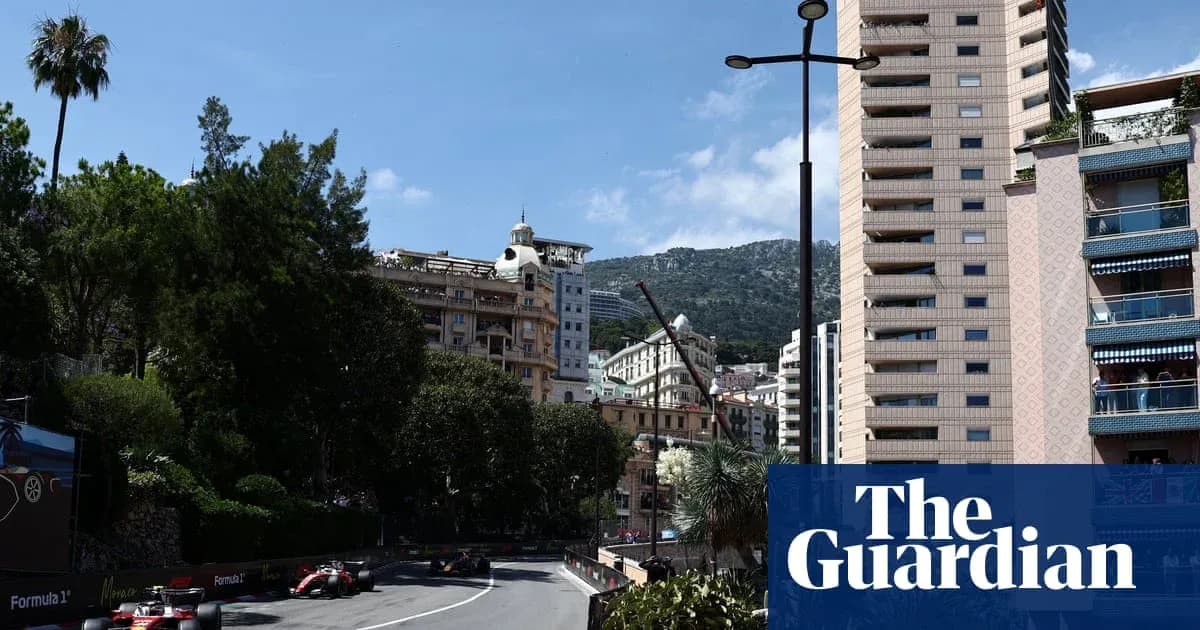
Monaco, the sport’s most traditional jewel, will host a sprint for the first time, a striking move for a circuit that usually resists change. Bahrain, Australia, Japan and Abu Dhabi also join the sprint roster, while Montreal, Silverstone, Monza, São Paulo and Lusail keep their places.
The calendar also reaches back to two venues that earned respect during the Covid-affected seasons. Portimão in Portugal returns on 20 June, its first race since 2021, bringing back its flowing, undulating layout that drivers praised when it stepped in as a stand‑in venue. Istanbul Park in Turkey is back on 3 October, another track last seen in 2021 but remembered most vividly for its 2005–2011 run and the infamous Turn 8.
Both races slot into an already congested year, but they do so with a sense of unfinished business.
Barcelona dropped, Zandvoort bows out
The reshuffle has its casualties. Barcelona disappears from the 2027 calendar, as planned, as part of a rotation agreement with Spa for the Belgian Grand Prix. Spa keeps its slot; the Circuit de Barcelona-Catalunya sits this one out.
Zandvoort, which returned to huge orange‑clad fanfare in recent seasons, has already staged its final race this year and does not feature in 2027. In a sport that rarely stands still, even popular venues can find themselves squeezed out.
Triple-headers and a softer landing after Vegas
The calendar still leans heavily on gruelling triple‑headers. There will be three runs of three races in a row: Australia, Japan and China in April; then Azerbaijan, Turkey and Singapore across late September and early October; and finally the familiar Americas swing of the United States, Mexico and Brazil from October into November.
Teams have long complained about the strain such blocks place on staff and logistics. Those concerns have not gone away, but the commercial and broadcast pull of consecutive events remains irresistible.
One notable concession does appear. Las Vegas, which burst onto the schedule as a late‑season street spectacle, will for the first time not be stacked back‑to‑back with Qatar and Abu Dhabi. That punishing three‑race dash to the finish, unpopular with many teams, is broken up by a one‑week gap after the Nevada race. It is a small release valve in an otherwise relentless season.
Middle East uncertainty and quiet contingency plans
All four Middle Eastern races — Bahrain, Saudi Arabia, Qatar and Abu Dhabi — are currently set in their usual slots for 2027. The sport has also reiterated that this year’s calendar, on paper, remains unchanged, with Qatar and Abu Dhabi still scheduled to close out the championship.
That sits against a recent, sharp reminder of how quickly plans can unravel. In April, the Bahrain and Saudi Arabian Grands Prix were called off because of the war in the Middle East. Bahrain’s race has been shifted to Malaysia in October to keep the season at full length.
Officially, there is no public contingency plan for 2027 if further disruption hits the region. Behind the scenes, though, F1 has already weighed alternatives. For the current season, while the intention is to race as planned in Qatar and Abu Dhabi, Imola is lined up to step in and host the season finale in December if those events are cancelled.
It is a modern reality for a championship that stretches across volatile regions: the calendar is firm, but never entirely fixed.
Domenicali hails global pull
For F1’s leadership, the 2027 schedule is a statement as much as a timetable. Ten sprints, 24 races, three triple‑headers, and a footprint that stretches from Nevada to Lusail, from Portimão’s Atlantic winds to Singapore’s humidity.
F1 CEO Stefano Domenicali framed it as proof of a sport still climbing. “Formula One continues to go from strength-to-strength, attracting new audiences around the globe,” he said, pointing to a season in which “the world’s greatest drivers will battle on some of the most challenging tracks in motor sport, supported by F1’s outstanding teams, world-class manufacturers, and global partners. Together, they create a spectacle unlike anything else in sport.”
The spectacle is only getting bigger. The question now is whether the teams, the drivers and the calendar itself can keep holding that pace.