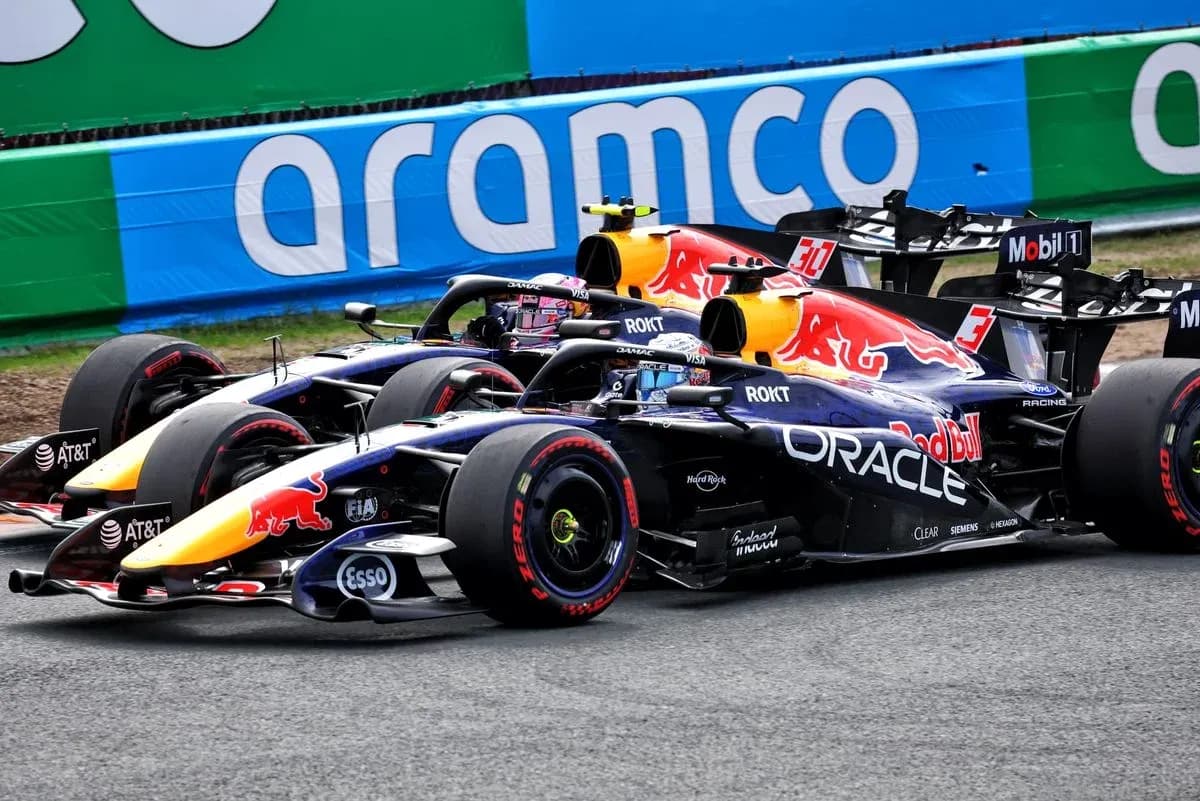
Formula 1 Expands Sprint Programme to 10 Events in 2027
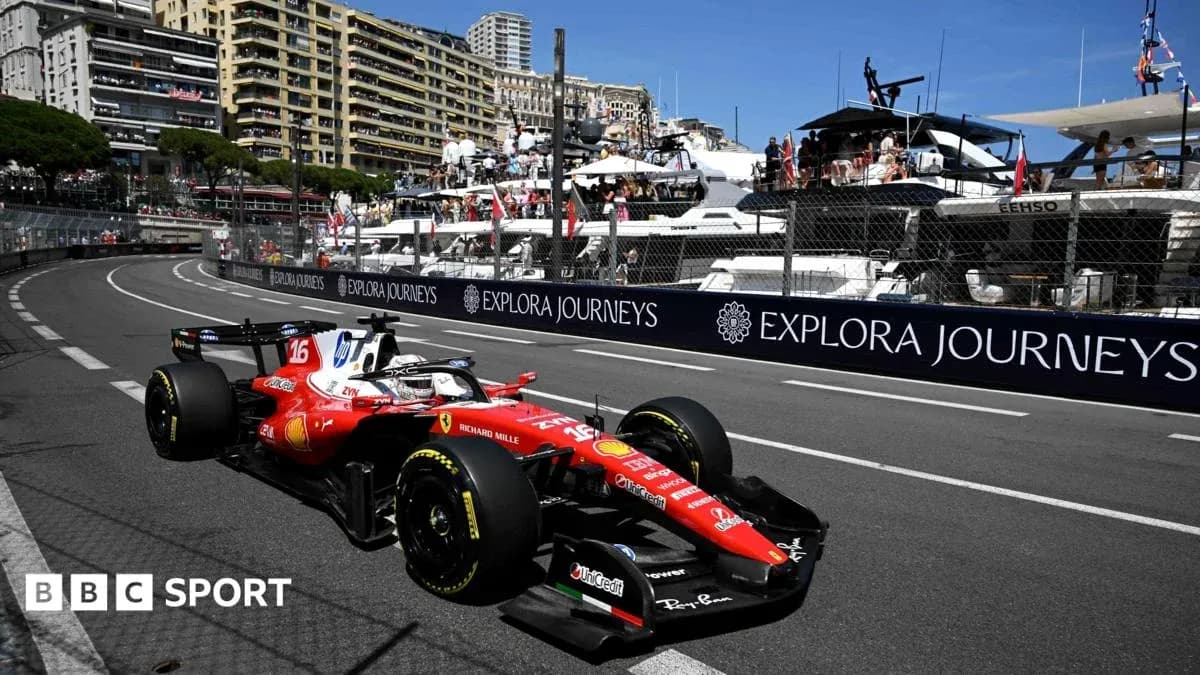
Formula 1 will dial up the jeopardy in 2027, expanding its sprint programme from six to 10 weekends and dropping short-format races into some of the sport’s most iconic venues – including Monaco.
The new calendar, formally confirmed for the 2027 World Championship, locks in sprint events for the first time in Bahrain, Australia, Japan, Monaco and Abu Dhabi. Canada, Britain, Italy, Brazil and Qatar retain their places as sprint hosts, taking the total to an unprecedented 10.
Sprints Go Mainstream
What began as a tentative experiment is now embedded at the heart of F1’s business model. Sprint weekends, with a separate qualifying session on Friday and a shorter race on Saturday, give promoters three straight days of meaningful track action.
They also cost more.
Organisers pay a premium for the format, but the numbers are hard to ignore. Silverstone is convinced this year’s sprint played a major role in delivering the British Grand Prix’s highest ever attendance, with 64,000 more fans through the gates over four days than the previous, non-sprint edition.
That kind of spike explains why demand for sprints is growing, not shrinking.
Monaco Sprint: Spectacle or Stalemate?
The standout addition is Monaco. The principality’s narrow streets already make overtaking in the grand prix a rarity; a short sprint race there will almost certainly lock the order after lap one unless accidents intervene.
Eyebrows will rise. F1 knows that.
The sell is different this time. A sprint in Monaco means two separate qualifying sessions around one of the most demanding laps in motorsport. Qualifying in Monte Carlo is routinely described as the purest test of a driver’s bravery and precision, and now there will be two shots at it.
Two qualifying sessions also raise the chance of mixed grids. One mistake, one yellow flag at the wrong time, and the order can flip between Saturday and Sunday. The racing may be processional, but the jeopardy in qualifying will be anything but.
A Calendar Under Tension
On paper, the 2027 season starts in Bahrain on 12-14 March, with Saudi Arabia following a week later. In reality, both races sit under a cloud.
The war in the Middle East, and the wider conflict involving the US/Israel and Iran, continues to cast doubt over F1’s plans. The sport is pushing ahead with its schedules for both 2026 and 2027, but contingency plans are already in motion if races in Qatar, Abu Dhabi, Bahrain or Saudi Arabia cannot go ahead.
The 2026 campaign is currently due to end with back-to-back races in Qatar and Abu Dhabi. F1 wants that finale to stand. It is also weighing alternative options for the opening rounds of 2027 if, by the end of this year, racing in the region looks impossible.
On Sunday, a summit of nations involved in or affected by the conflict called for “maximum restraint”. F1, as ever, sits at the intersection of sport, politics and global image.
Old Favourites Return
Beyond the geopolitics, the calendar itself carries a nostalgic twist.
Portugal and Turkey are back in 2027, returning for the first time since they stepped in as pandemic-era stand-ins. Their reintroduction adds variety to a schedule that now stretches to 24 grands prix across five continents.
The British Grand Prix is fixed for 2-4 July, with Silverstone again positioned as a centrepiece of the European summer run.
F1 president and chief executive officer Stefano Domenicali said: “We are thrilled to welcome Portugal and Turkey to the championship and to expand sprint racing to 10 events, giving our fans even more intensity, drama, and the wheel-to-wheel action that make our sport so special.”
Mohammed Ben Sulayem, president of the FIA, called the 2027 FIA F1 World Championship calendar “a strong reflection of the global appeal and continued growth of our sport”, highlighting the blend of “tradition, innovation and fan engagement”.
Pre-season testing is scheduled for Bahrain on 24-27 February, keeping the desert as the sport’s proving ground before the lights go out.
Ten sprints. Twenty-four races. Two returning circuits. A volatile political backdrop. F1 is betting that more risk, more action and more weekends of flat-out competition will keep the championship on the edge – on and off the track.