Formula 1 to Shorten Grand Prix Distance and Update Timing Rules in 2027
Formula 1 is about to feel a little shorter – on paper, at least. From the 2027 season, the maximum race distance for grands prix will be cut from 305km (189.5 miles) to 290km (180.2 miles), a significant tweak to the sport’s traditional framework designed to keep the show on the road as its hybrid era evolves.
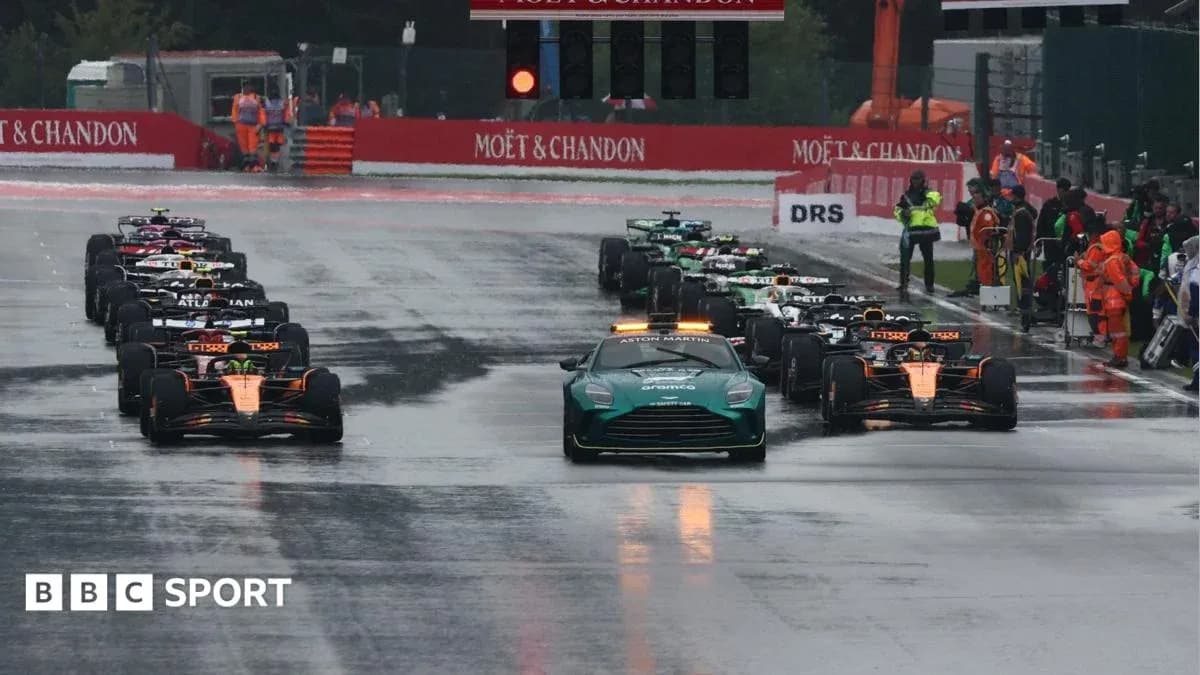
The two-hour racing limit remains the anchor. What changes is what happens when chaos arrives – rain, crashes, safety cars, red flags. Instead of the current three-hour overall cap to complete a race, F1 will move to a “hard stop time”, a fixed deadline after which the event will not continue.
It is a subtle shift with a clear purpose: get more disrupted races finished properly, rather than limping to an early, unsatisfying end.
The FIA framed it simply in its statement: the changes are “to ensure that the spectators have the best possible chance to enjoy a full race if disruptions occur.” In other words, less clock-watching, more racing.
That hard stop will not be a one-size-fits-all figure. It will be set race by race, tailored to local conditions. Night races can push on later under floodlights. Day races, especially at venues where sunset arrives early, will be handled more conservatively. The calendar stays the same; the timing becomes smarter.
The distance reduction is driven by something far more technical than TV schedules. It comes from the changing balance of power inside the cars themselves.
Right now, the hybrid power units run at a 53-47 split between internal combustion engine and electrical power. Next year that moves to 58-42. By 2028, it will be 60-40. More combustion, less electrical assistance. That means more fuel burned over the same distance.
On its own, that is a manageable engineering challenge. The complication arrived when it became clear that some teams intend to carry over their existing chassis into next year to save costs. The fuel tank is built into that chassis. Its size is fixed. No redesign, no bigger tank.
Stretch the fuel demand without changing the tank, and the maths starts to look ugly. Over a full 305km, some teams risked simply not having enough fuel to see the chequered flag with their current hardware.
So the sport has chosen the cleaner solution: shorten the maximum distance. The grands prix stay grands prix, but with a little less mileage and a lot more certainty that everyone can reach the finish line legally and safely.
The F1 Commission – the rule-making forum that brings together the teams, the FIA and commercial rights holder F1 – also signed off on another practical tweak, this time aimed at Fridays.
Free practice sessions will gain “greater flexibility” to be extended if they are interrupted. At present, when a red flag flies in practice, the clock keeps ticking. Lost time stays lost. Drivers sit in the garage while the session drains away, and fans stare at an empty track.
Qualifying and races already avoid that problem because the clock stops when the red flag comes out. Practice has been the outlier. That gap is now being closed. With the new flexibility, race control will be able to stretch a session to claw back at least some of the time lost to incidents, giving teams more meaningful running and spectators more action for their money.
Shorter races on paper. Sharper timing rules. More fuel burned, more laps guaranteed, and more practice track time when things go wrong. F1 is not tearing up its format, but it is quietly reshaping the edges – and those edges are often where a season can turn.