Formula 1 Expands 2027 Calendar: More Sprints and Returning Circuits
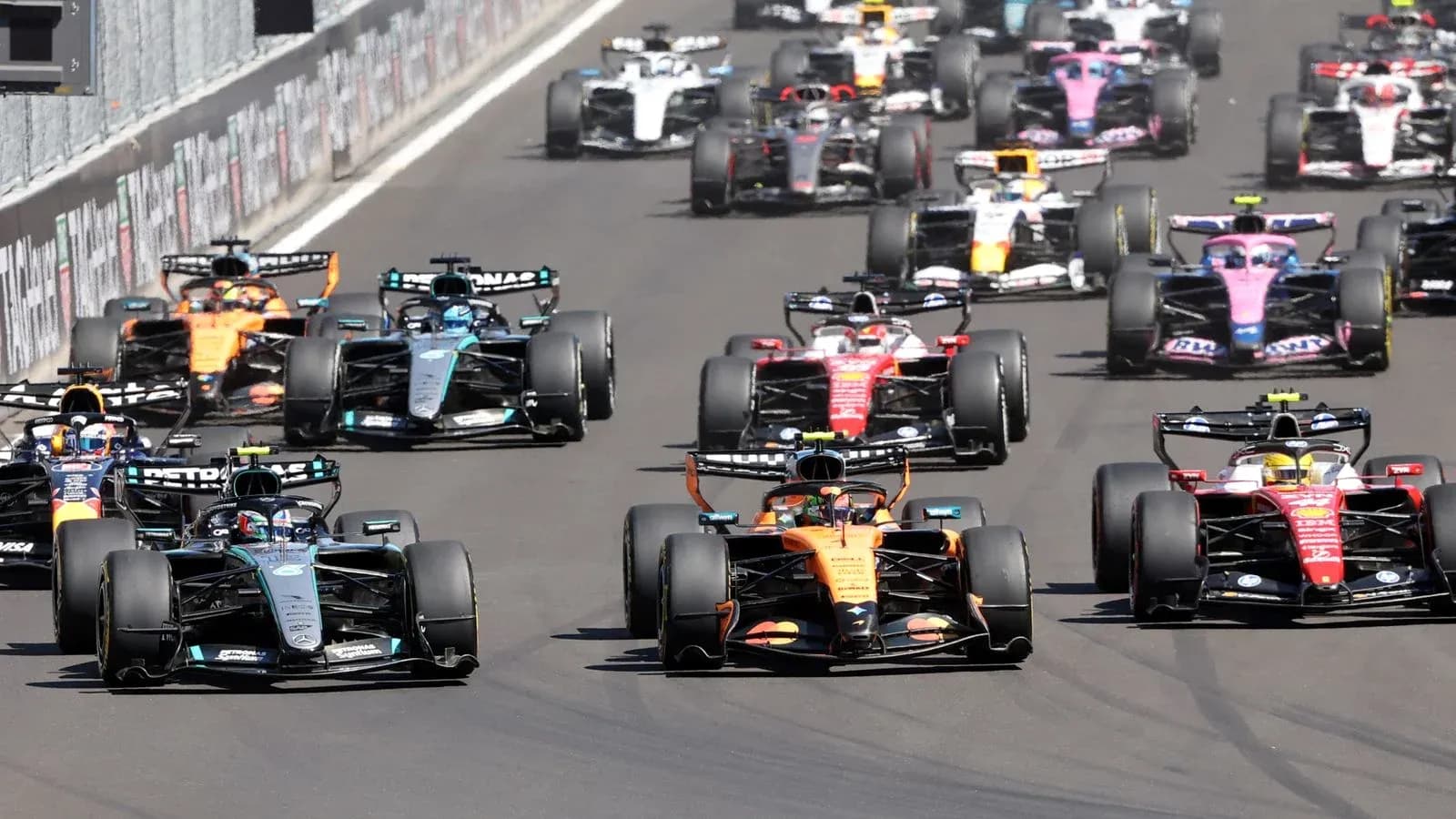
Formula 1 has locked in its 2027 calendar – and it is not easing off. The sport will again run a 24-race season, but this time with a sharp twist: Sprint weekends jump from six to 10, reshaping the rhythm and intensity of the campaign.
Bahrain stays as the gateway to the year, and it will be busy from the start. A four-day pre-season test runs from February 24-27, before the Sakhir circuit stages the season-opening Grand Prix on March 12-14, itself a Sprint weekend. Seven days later, the paddock rolls into Saudi Arabia, keeping the early-season desert double-header intact.
Portugal and Turkey back on the map
The headline changes sit further into the year. Portimao and Istanbul Park return, restoring two circuits that have quickly earned a reputation for high-speed, high-risk racing. Portugal’s Grand Prix lands in mid-June, while Turkey forms part of a bruising late-season run.
Their comebacks come at a cost. The Dutch Grand Prix at Zandvoort, a fan favourite since its return, falls off the schedule. At the same time, the long-term future of the Spanish and Belgian rounds shifts into a new, more complex pattern.
From 2028, Circuit de Barcelona-Catalunya will enter a rotational deal with Spa-Francorchamps. Spain will run in even-numbered years from 2028, Belgium in odd-numbered years from 2027. It is a compromise that keeps both historic venues in play, but no longer guarantees them an annual spot.
Calendar delayed, but now loaded
The announcement had been held back. Ongoing conflict in the Middle East created uncertainty over the end of the current season, with Qatar and Abu Dhabi still scheduled to close out this year. Only once that picture became clearer did Formula 1 move to confirm 2027.
When it did, it went big.
Australia reclaims its familiar early-season slot as the third round in early April and will stage a Sprint. Japan follows, also with a Sprint, before China completes a demanding triple-header that will test the new 2026 regulations to their limits in year two of their life cycle.
Miami keeps its early-May position, a fixture now on the calendar rather than a novelty. Then the intensity spikes: Canada hosts a Sprint, and for the first time in its storied history, Monaco joins the Sprint roster.
Two qualifying sessions around Monte Carlo’s unforgiving streets – one for the Sprint, one for the Grand Prix – will turn that weekend into a pressure cooker. F1 has already underlined that fans are “set to enjoy two thrilling qualifying sessions” in the principality. For the drivers, the margin for error shrinks even further.
Silverstone goes Sprint, Monza after the break
After Monaco, the tour swings to Portugal in mid-June before landing at Silverstone for a Sprint weekend from July 2-4. The British Grand Prix, already one of the sport’s blue-riband events, now comes with added jeopardy. Austria, which has often preceded Silverstone, moves to the slot immediately after it.
Belgium and Hungary then run back-to-back, ushering in the summer break. That pause will be longer than usual: five weeks off before the field regroups.
When they do, they restart at full throttle. Monza, the Temple of Speed, hosts a Sprint round in early September as the first race back. One week later comes the Spanish Grand Prix in Madrid, which is set to take over Spain’s hosting duties in the near term while Barcelona transitions into its rotational role.
Brutal run-in: triple-headers and night glitz
The closing third of the season is relentless. Azerbaijan, Turkey, and Singapore form a punishing triple-header that mixes street racing with Istanbul’s sweeping, high-load corners. Then comes the now-familiar Americas swing: Austin, Mexico City, and Interlagos in Brazil, with Brazil designated as a Sprint weekend.
Las Vegas retains its unique billing. It will again stage the only Saturday race of the year – though it lands in the early hours of Sunday morning for fans in the UK – keeping its identity as F1’s neon-soaked outlier.
The final push is brutal. Qatar and Abu Dhabi both host Sprint weekends on December 10-12 to close the season, meaning the championship could be decided in a flurry of short-form and full-length racing across the final fortnight.
F1’s powerbrokers back aggressive expansion
Formula 1 president Stefano Domenicali framed the 2027 schedule as a statement of intent.
“The 2027 calendar brings together some of the most iconic circuits and vibrant cities in the world, creating an incredible stage for another unforgettable season of Formula 1,” he said, welcoming back Portugal and Turkey and underlining the leap to 10 Sprint events as a deliberate move to ramp up “intensity, drama, and the wheel-to-wheel action” on offer.
Domenicali pointed to the sport’s continued growth and its ability to draw new audiences as justification for such a demanding programme, stressing that the world’s best drivers will again fight across some of the most challenging tracks in motorsport, backed by elite teams and manufacturers.
FIA president Mohammed Ben Sulayem echoed that stance, calling the 24-race, five-continent calendar “a strong reflection of the global appeal and continued growth of our sport”. For him, the blend of returning venues, expanded Sprint racing, and a spread of traditional and modern circuits hits the balance between heritage and innovation.
The message is clear. F1 is not easing off, not trimming back, not retreating from its global push. With 24 rounds, 10 Sprints, and a mix of old-school circuits and modern showpieces, 2027 will ask more of teams, drivers, and fans than ever.
The only real question now is who will still be standing when the chequered flag finally falls in Abu Dhabi.