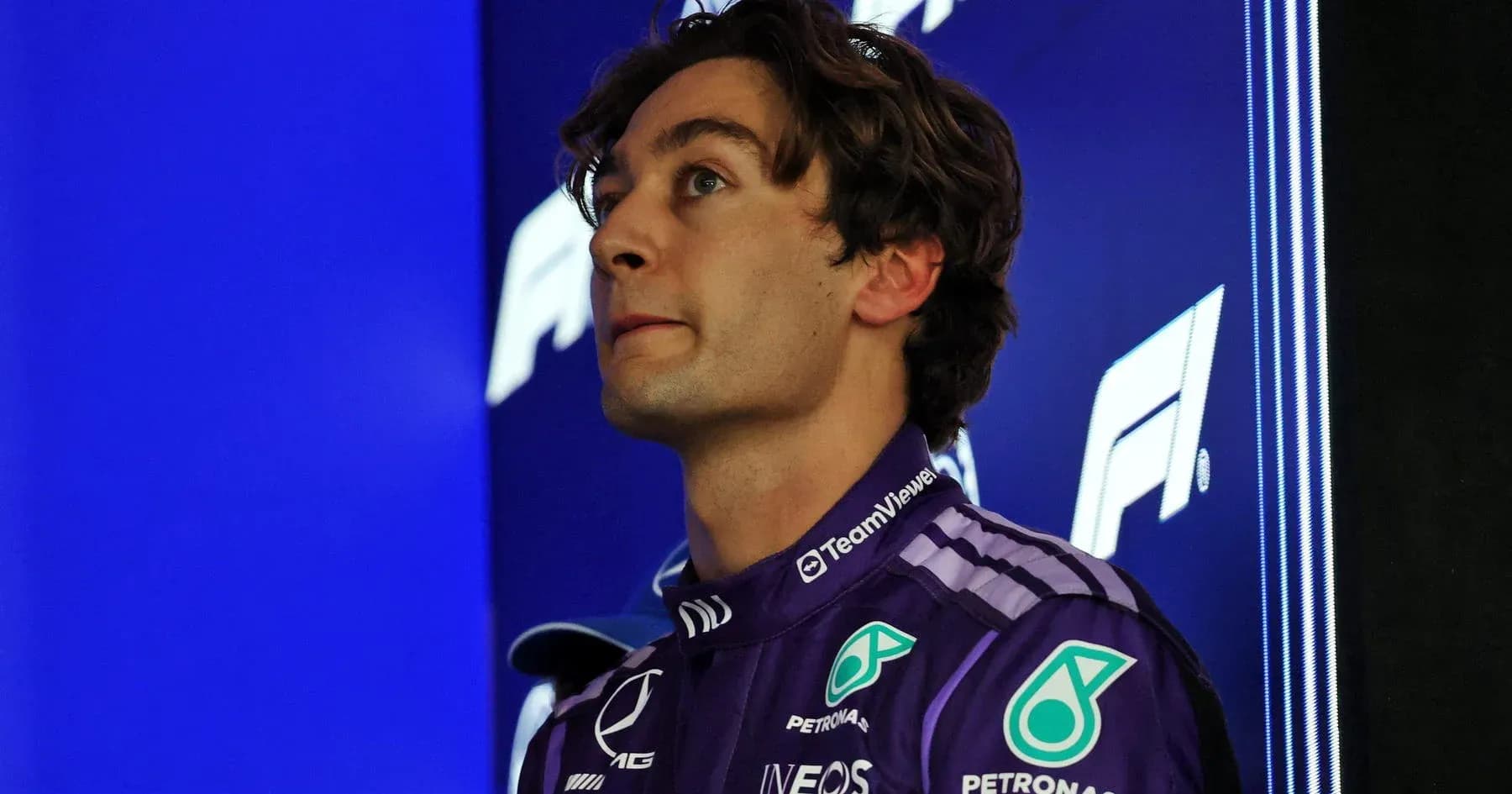
Ferrari's Superteam: Vasseur's Stance on Hamilton and Leclerc
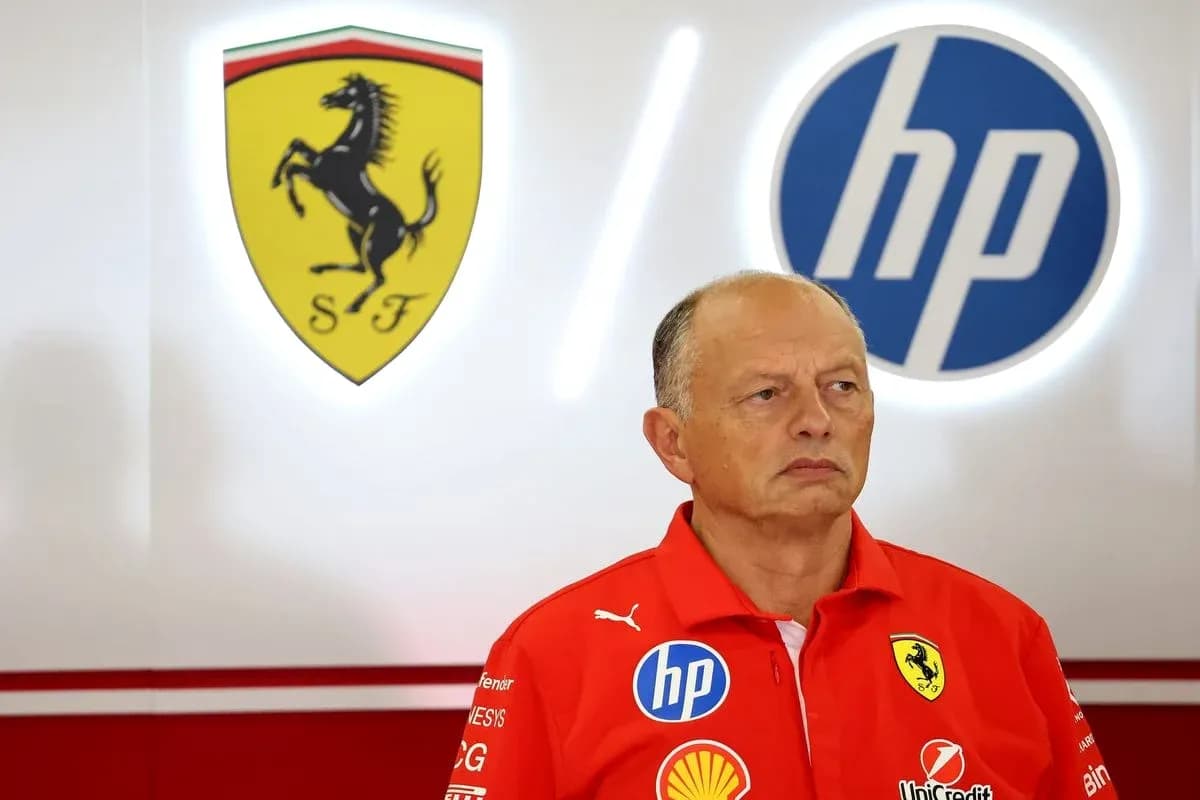
Fred Vasseur did not wait for the Brazilian sun to rise.
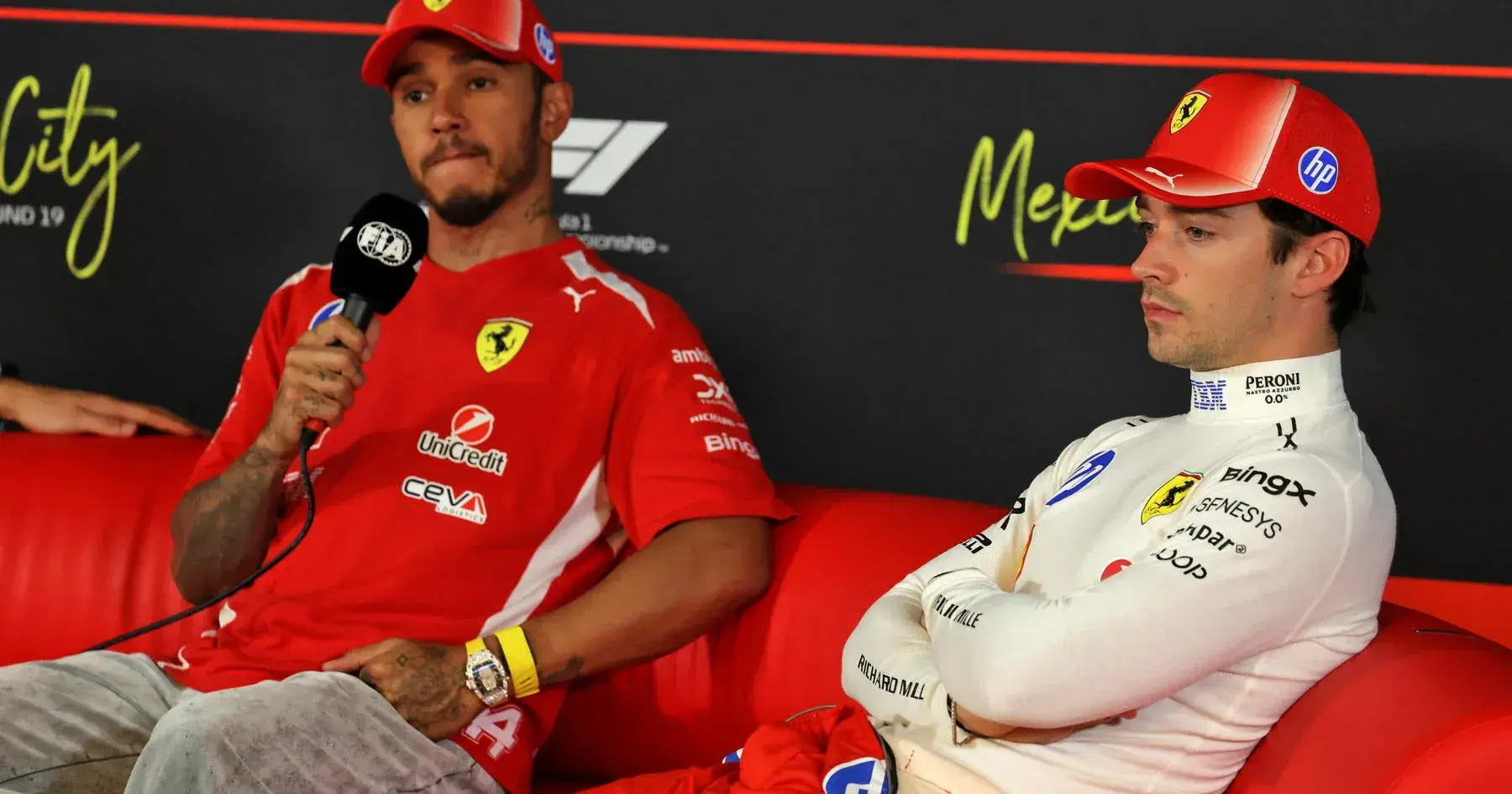
Fresh off a flight from Italy, with Charles Leclerc arriving from Monaco after the birth of his first child and Lewis Hamilton dropping his bags at the same downtown São Paulo hotel, Ferrari’s three central figures shut the door on the outside world and opened up the Mexican Grand Prix.
No cameras. No leaks. Just the team principal and his two star drivers replaying the chaos of that first lap in Mexico City, where a front-row lockout turned into a self-inflicted wound.
Vasseur laid out his view. Hamilton and Leclerc gave theirs. Then, crucially, they agreed on how to move forward.
By the time Vasseur walked into the team principals’ press conference on Friday, the Frenchman had already decided how much of that summit the public would see.
“It went well,” he said, offering only the thinnest glimpse behind the curtain. “It was good to discuss, good to clarify my position and their position. It was good to do. Now we turn the page and we are focused on the next one.”
The message: the matter is closed. The reality: the repercussions are only just beginning.
Same Guidelines, Sharper Reminder
If anyone expected a dramatic change of policy from the Ferrari boss, they were mistaken.
The core principle remains intact: Hamilton and Leclerc are free to race. Hard.
Vasseur has never been a fan of micromanaging his drivers on track, even when that freedom has left both men frustrated at different times. Mexico, he insists, has not triggered a rewrite of the rulebook.
“The guidelines are still the same,” he said. The issue, in his eyes, lies not in the framework but in the tension that has built as the pair start side by side, weekend after weekend, with everything at stake.
“I think they accumulated perhaps a bit of frustration because they are starting each weekend side by side and you have a kind of accumulation of facts. But at the end of the day, the guidelines are always the same.”
Those guidelines revolve around one simple hierarchy: the team first, the individuals second.
Vasseur repeated that theme like a drumbeat. Personal agendas cannot override the red car and the thousands of people behind it.
“They are working for the team and the team has to come first,” he said. “In this situation, we failed collectively because we were 1-2 and we didn't win the race in the end. It's clear that we failed and we have to react.
“The conclusion of the meeting yesterday evening was clear. It was a clear reminder that Ferrari is coming first. It's coming first for the brand, for the employees, for the tifosi and this we have to keep in mind.”
Mexico was not just a lost victory. For Vasseur, it was a breach of that hierarchy.
Wolff’s Warning from the Past
Sitting alongside Vasseur on the press conference stage, Toto Wolff did not need much prompting to recognise the pattern.
The Mercedes boss has lived this movie before. Hamilton and Nico Rosberg, 2014 to 2016. Title fights, flashpoints, and one defining explosion in Spain 2016 when both Silver Arrows ended up in the gravel.
“I think sometimes it needs the really tough ones, like the last one, to make a point,” Wolff said.
“It was always when I was there with Nico and Lewis, when there was an accident, it was understood that that was now the limit and it wouldn't continue like this.
“That's why maybe it needed to escalate to the point, because it's a respect to the team and many, many thousand people, the brand, that work together and that's what they need to keep in their heads.”
Wolff’s style in those years was combative and public. He spoke openly about imposing boundaries, even warning at one stage that he would be prepared to sack a driver if they could not race cleanly.
Vasseur is cut from different cloth. No theatrics, no public ultimatums.
“I'm not sure that Toto, 10 years ago, told you exactly the content of the discussion with Nico and Lewis and I will do exactly the same,” Vasseur said, perhaps forgetting just how vocal Wolff once was.
“We had a discussion. It has to stay private, it's a matter of respect also for them and for the team. And once again the most important is the message.
“The message is that we are working for a brand, we are working for sponsors, we are working for, but I would say mainly also the employees of the team.”
If Wolff ruled with a visible stick, Vasseur prefers the closed-door reminder. The end goal is the same: protect the institution, even from its own stars.
Hamilton, Leclerc and the Edges of Respect
The relationship between Hamilton and Leclerc remains under the microscope, especially after Hamilton’s pointed declaration that he would “not be silenced” in the wake of Mexico.
Vasseur did not bite in public.
Asked if he had any concerns about that stance, he replied: “No, no – but this I was clear with Lewis and I will keep it between Lewis and me.”
That line said enough. The conversation has happened. The details will stay in-house.
Hamilton also suggested that Leclerc races him harder than anyone else on the grid. Vasseur pushed back on that, reaching for a recent example to make his point.
“If you have a look at what Charles did in Austin in the first section, everybody said that it was magic and the line is fine between the two,” he said, pointing to Leclerc’s aggressive opening moves on Max Verstappen as evidence that the Monegasque is not reserving his sharpest elbows for the seven-time champion alone.
The rivalry, though, is real. It should be. Two elite drivers in equal machinery, both chasing legacy, do not coexist without friction.
Vasseur is under no illusions.
“I'm not asking them to be best friends,” he said. “I think it would be even probably a bit negative. I'm just asking them to act and to work as professionals and this is it.”
He does not want harmony. He wants control.
The Price of a Super Pairing
For all the questions he faced, Vasseur never once hinted at regret over pairing Hamilton and Leclerc. He knows exactly what he has signed up for.
Two elite drivers in the same team is a blessing and a problem, often in the same lap.
“I think it’s probably the downside of the system is that we have two competitive guys starting each weekend next to each other,” he said.
But then came the flip side, the one that keeps him committed to this path.
“If we are P2 in the constructors’ championship today, it’s also because we have two guys very, very close and we have to manage it.
“But it’s a choice, it’s a choice in the line-up and I have the positive and the negative. I will deal with the negative.”
That is the reality of modern Ferrari under Vasseur: accept the turbulence to chase the ceiling.
The meeting in that São Paulo hotel did not rewrite the rules. It underlined them. Hamilton and Leclerc remain free to fight, but the margin for another Mexico-style self-sabotage has shrunk.
The question now is not whether Ferrari can handle two of the fiercest competitors of this era in one garage.
It is how many more lessons like Mexico they can afford before the cost outweighs the talent.