Ferrari's SF-26: Setting the Pace in F1 Innovation
Fred Vasseur has never been in this job for compliments. He says it himself. Yet as the 2026 Formula 1 season unfolds, the clearest tribute to Ferrari’s revival isn’t coming from a podium ceremony or a soundbite. It’s written into the bodywork of rival cars up and down the pitlane.
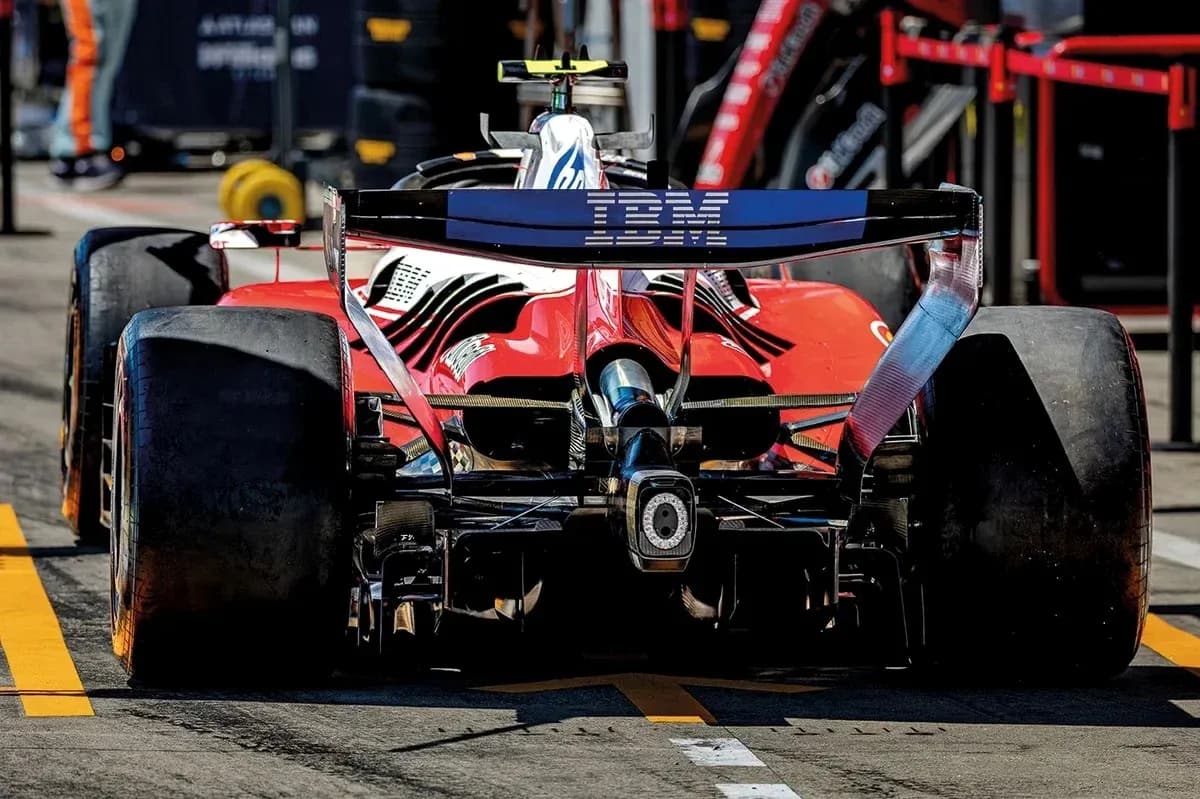
Ferrari arrived at the new regulations with the SF-26, a bold, aggressive machine that instantly stood out. Not just for its pace, but for the ideas baked into its rear end. Ideas so striking that the rest of the grid has either tried to copy them, react to them, or rush their own interpretations into existence.
At winter testing in Bahrain, Ferrari rolled out a curious addition: a winglet mounted to the structure behind the exhaust, internally dubbed Flick Tail Mode (FTM). It was a clever trade-off – a touch more drag in exchange for precious extra rear downforce. Grip over top speed. Stability over straight-line glory.
The next day, the Scuderia went even further. Out came a rotating rear wing, quickly nicknamed the Macarena wing, that flips 180 degrees between a cornering configuration and a straight-line mode. A car literally changing its aero posture as it attacks different phases of the lap. It was audacious, borderline outrageous, and pure catnip for aerodynamicists across the paddock.
The exhaust wing in particular has become the most imitated part of the package. Teams have swarmed over photos and data traces, trying to decode how Ferrari integrated the device into the SF-26. The catch? Maranello didn’t simply bolt on a trick wing. It sculpted much of the rear architecture of the car around it, making a like-for-like copy almost impossible.
The FIA has already seen enough. The governing body has moved to close the loophole in the technical regulations and will ban Ferrari-style exhaust wings from 2027, wary of an arms race spiralling out of control in that area. The device will have a short life in F1’s rulebook, but its impact is already etched into the season.
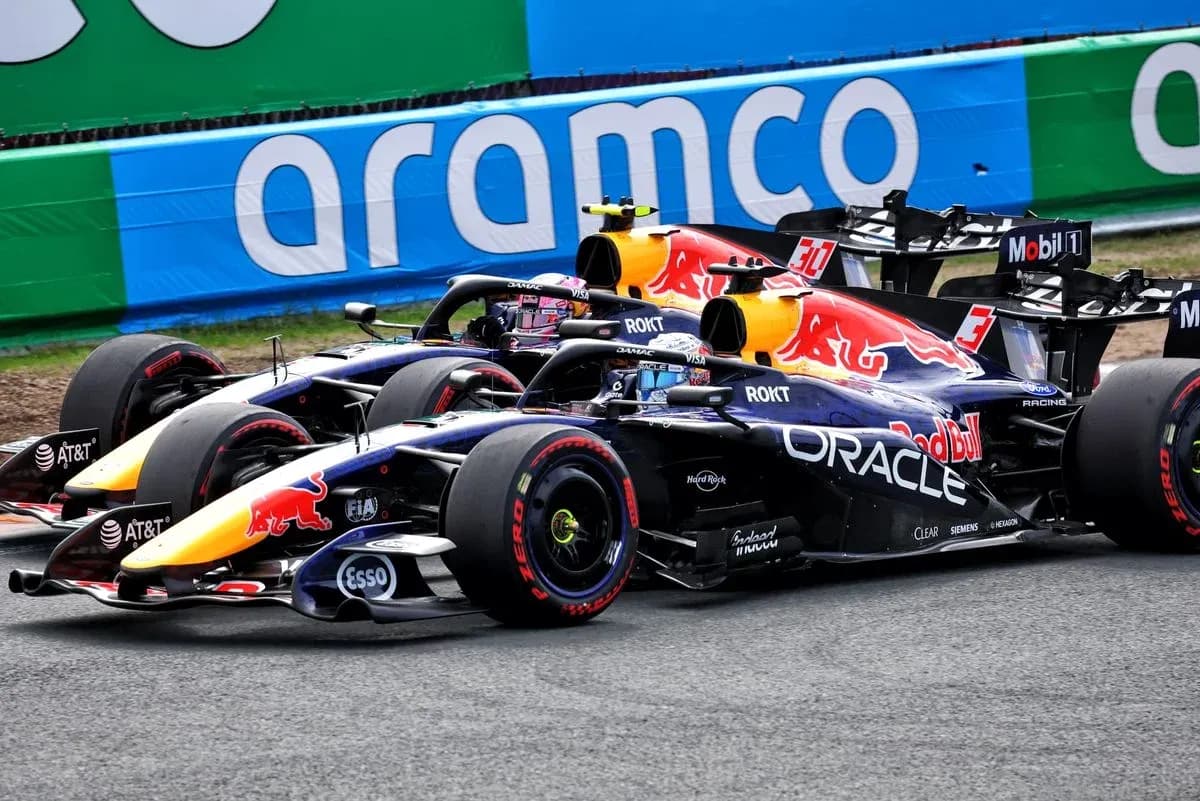
The upside-down rotating wing has also spread. Red Bull has adopted its own version. McLaren has trialled a concept after reacting to what it saw Ferrari doing in testing. McLaren’s technical director Neil Houldey admitted they were slow off the mark compared to their rivals.
“We were disappointed not to pick that up as quickly as Ferrari did and then Red Bull,” he said. “As soon as we saw it, we realised there was an opportunity there.”
That is the new reality: Ferrari sets a direction, others scramble to follow.
Innovation as a mindset, not a stunt
Speaking exclusively to Motorsport.com, Vasseur made it clear this isn’t about chasing headlines with flashy devices. For him, the real story is what it says about the culture he’s been trying to build at Maranello.
He has pushed his aerodynamicists and designers to take more risks, to think bolder, to accept that not every gamble will work – but that the big wins only come when you dare to step beyond the obvious.
Asked if seeing the exhaust wing and rear wing concepts appear on rival cars felt like a compliment, Vasseur’s response was blunt.
“I’m not there to have compliments. I’m there because I want to win. The best compliment for me is to go on the podium.
“But yes, it’s true that for the guys in the team, to see Red Bull coming with the wing, and I think probably Red Bull started before seeing our wings, but the others starting to copy [it], or even the device on the exhaust, for the guys in the team who had the idea it’s a good reward.”
For the engineers buried deep in the Maranello design office, that’s the validation: a grid full of rivals trying to decode their work.
The best chassis in F1?
Ferrari’s power unit has been a talking point for all the wrong reasons in recent years. Even now, its weakness is well documented. Yet in 2026, the SF-26 has shifted the narrative.
Strip away the engine deficit and the picture is clear: this is, by any reasonable measure, one of the outstanding chassis in Formula 1 – and arguably the best. The team has layered upgrade upon upgrade onto an already strong baseline, and the results have followed.
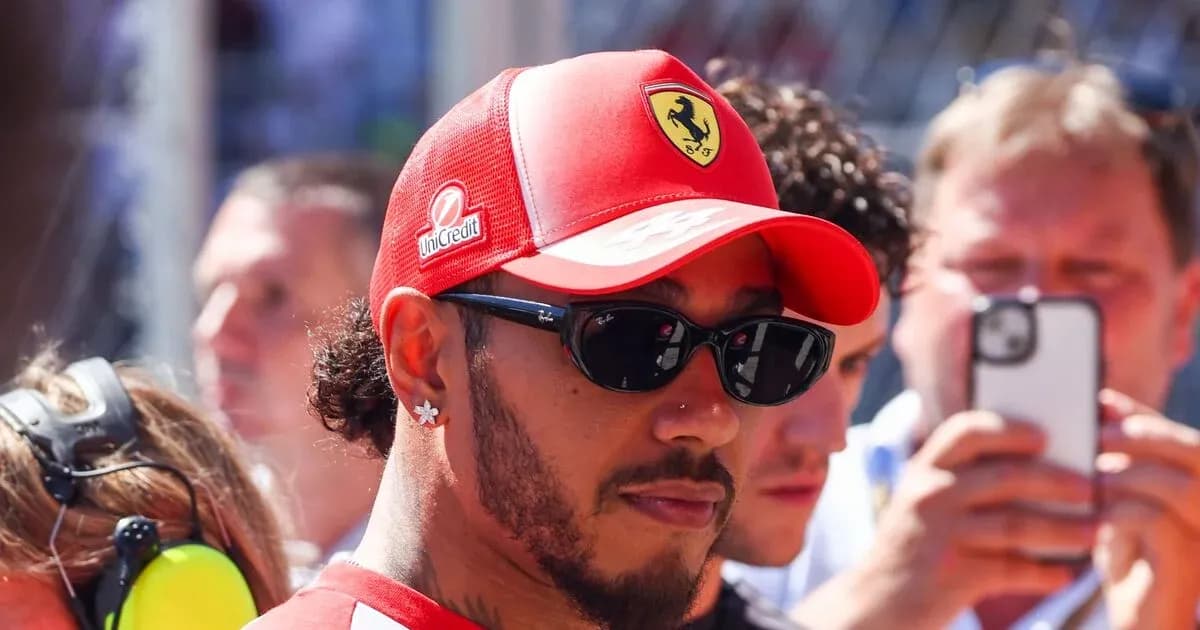
Charles Leclerc delivered with victory at Silverstone. Lewis Hamilton answered in Barcelona. Two different drivers, two different circuits, same conclusion: Ferrari has built a car that can win on merit.
Those performances have helped anchor Ferrari in second place in the standings, a position that reflects not only raw speed but also a growing consistency that has often eluded the team in past eras.
The long game behind the breakthrough
The SF-26 is more than just a clever aero package. It’s the first Ferrari fully conceived under technical director Loic Serra, who was signed back in 2023 but only joined from Mercedes at the end of 2024 after a lengthy period of gardening leave.
That delay is exactly the kind of structural inertia Vasseur points to when he talks about how long it really takes to turn a Formula 1 team around.
“The frustration that you can have sometimes in F1 is that on the technical side the process is mega long, because you have a lot of inertia,” he explained.
He laid out the timeline. Talks with Serra began in mid-2023. Serra finally walked through the doors at Maranello at the end of 2024. His focus went straight onto the 2026 car. Only then could he start recruiting the people he wanted around him.
“It means that this process is about years, when on the other hand we want to get results next week.”
That tension – between the immediate demands of race weekends and the slow burn of structural change – has defined Vasseur’s tenure so far. Yet now, with the SF-26, the payoff is visible.
“I’m very, very pleased with the choices that we made, with the set-up that we have, and the collaboration that we have in the team. The team is strong. The collaboration is mega strong.”
You can see that cohesion in the way Ferrari has attacked this ruleset: not with one miracle part, but with a philosophy. Aggressive, inventive, willing to dance on the edge of the regulations.
The FIA can ban the exhaust wing for 2027. Rivals can copy the Macarena wing or chase their own interpretations. What they cannot easily replicate is the momentum of a team that has rediscovered how to lead, not follow.
Ferrari has spent years chasing others’ ideas. Now the question hangs over the paddock: with Maranello setting the technical tone again, how long before that innovation translates into a sustained title challenge?