Ferrari's Challenges in Spain: Brake Issues and Tyre Strategy
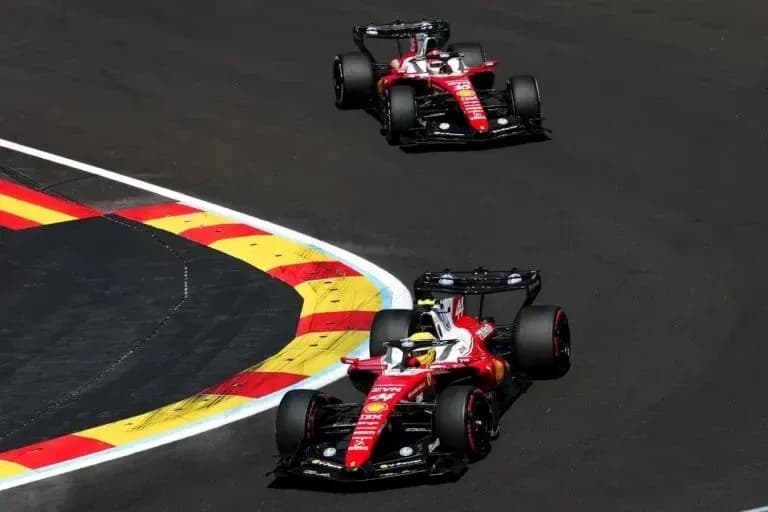
Ferrari wrestled with two very different problems in Spain: a wayward brake pedal on one side of the garage, and a disappearing soft-tyre advantage on the other.
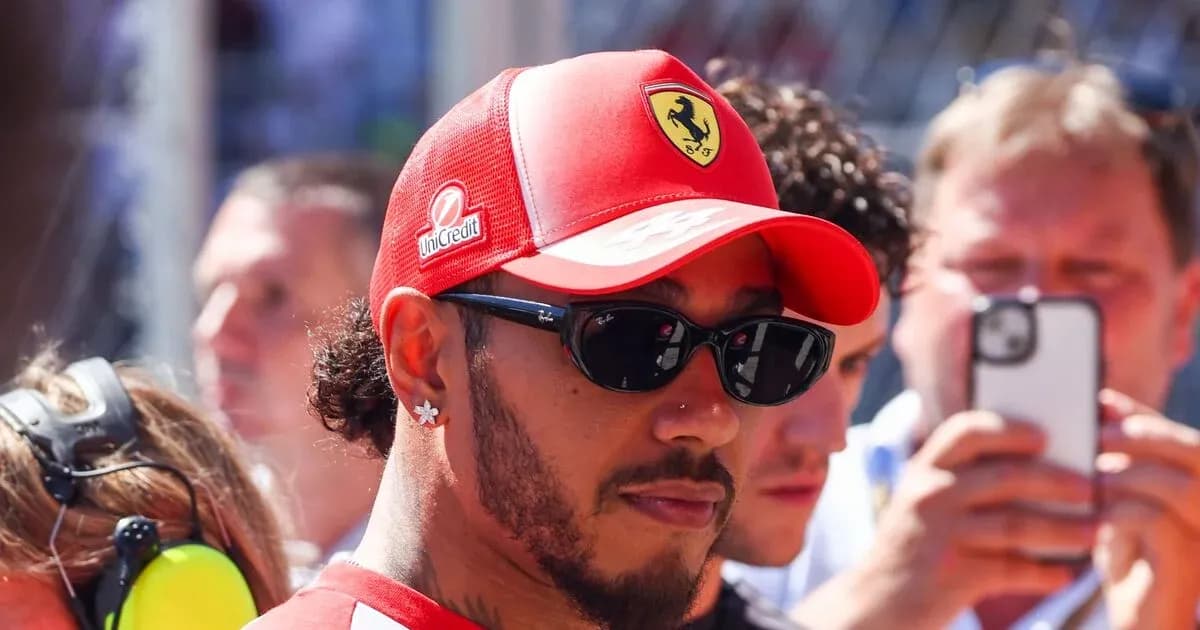
On Lap 1 at Madring, the spotlight fell on Lewis Hamilton’s Ferrari before he had even settled into the race. While Red Bull argued over the radio about whether Max Verstappen should hand back position after cutting the first-corner chicane, Hamilton was dealing with something far more unsettling than team orders – a brake pedal going long at high speed.
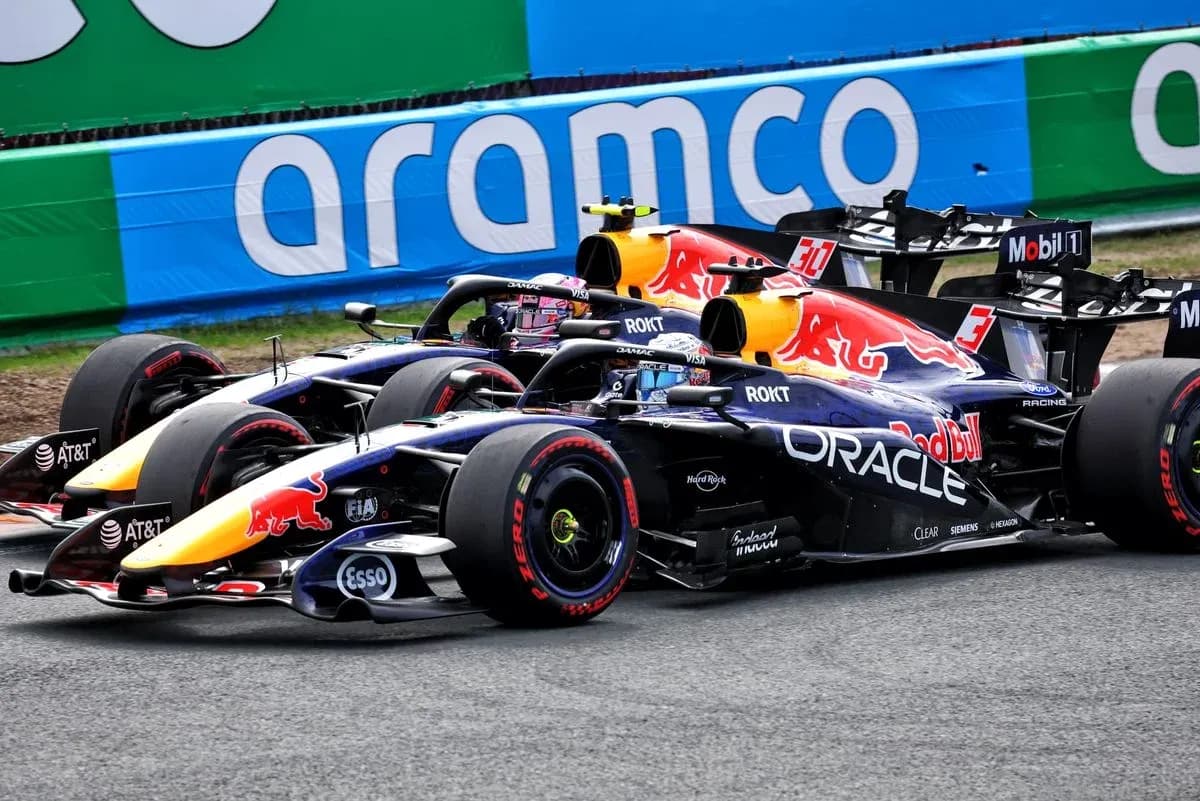
That issue turned the opening laps into a tangle. Verstappen slowed to give back the place to Andrea Kimi Antonelli and Hamilton, only to breeze back past the Brit almost immediately as Hamilton struggled to slow the car. From the Ferrari pit wall, Frederic Vasseur and his engineers tried to rescue the situation without bringing the car in.
“We tried to fix it from the pit wall,” the team principal explained after the race. For a brief moment, it looked like they had. Hamilton continued, the pedal felt normal again, and Ferrari gambled on it holding.
It didn’t.
The problem returned, and with 56 laps still ahead, Ferrari pulled the plug rather than roll the dice on a high-speed failure. Vasseur was blunt: at a circuit like Madring, with its heavy braking zones and long race distance, “it would have made no sense to take a crazy risk.” The car was still being worked on when he left for his media duties; the priority had been clear – protect the driver, not the result.
Once Hamilton’s race unravelled, attention swung to the other red car and a very different story.
Leclerc’s long game and a soft-tyre riddle
Charles Leclerc’s afternoon hinged on the early Virtual Safety Car. Ferrari chose to run him long on the hard compound, stretching that first stint deep into the race. It was a classic waiting game: stay out, protect track position, and hope the race broke open with a Safety Car or, better yet, a red flag.
Nothing came.
Leclerc still delivered what Vasseur considered a strong race. The Monegasque pounded out lap after lap on the hard tyre, 49 in total, and crucially, the pace held up. Ferrari had split their strategies, as so many teams did – one car on soft or medium, the other on hard – to cover every possible scenario.
Leclerc led the group of hard-tyre runners. In Vasseur’s mind, that left them one incident away from a very different result. With a second red flag, he believes, the win was on. With a Safety Car at the right time, Leclerc would have been fighting for P2 or P3 rather than stuck around P4. The raw race pace, the team insists, is not the problem.
The real damage, once again, was done on Saturday.
“If we miss something, it’s more qualifying,” Vasseur admitted, pointing to the recurring theme of Ferrari’s season. Start too far back, and even a strong race stint turns into damage limitation rather than a genuine victory shot. On Sunday, he felt they “did what we have to do” and took the right risks. The car gave them what they needed over a long run. The grid position did not.
Then came the late twist: Leclerc’s final stint on the softs never truly ignited.
A fast car that couldn’t attack
On paper, Leclerc should have been flying at the end. Fresh softs, a lighter fuel load, and a car that had looked after its hard tyres superbly. Instead, he never quite latched onto the back of Lando Norris as expected.
Inside the cockpit, communication was kept to a minimum. Leclerc and his race engineer Bryan kept the radio largely clear so the driver could focus on the rhythm of the race. At one stage, Leclerc simply asked what they were actually fighting for, such was the isolation of his strategy window.
Afterwards, he was clear about one thing: the hard-tyre stint had been strong. The car felt good, the times were there, and he could lean on the Ferrari without burning it out. On the softs, though, he “couldn’t really push for other reasons.”
Those reasons remain under wraps. When pressed, Leclerc smiled and declined to explain, only saying he expects it to be “fine for the next race.” Whatever the issue, it robbed him of the final-phase charge Ferrari had banked on.
The consequence was simple and brutal: the race pace was there, the tyre life on the hard was there, but the grid slot was not. “Eventually where we are paying the price, it’s our qualifying pace,” Leclerc said. Start further back, and by the time you find your rhythm, the front of the race has already gone.
No blame for Hamilton
One thing Leclerc was quick to clear up: Hamilton’s early brake troubles did not compromise his race.
From the outside, the opening laps looked messy, with Verstappen backing off, Antonelli and Hamilton swapping positions, and Hamilton struggling to slow the car. Yet Leclerc insisted he didn’t lose significant time behind the seven-time champion. With Hamilton cutting corners as he fought the brake issue, the Ferrari ahead wasn’t really blocking him in the traditional sense.
“He didn’t hold me up and wouldn’t have changed anything in my race,” Leclerc said. The real story of his afternoon lay in tyre strategy, late-race limitations on the softs, and, above all, the starting position.
So Ferrari leave Spain with a curious mix of frustration and reassurance. The car can run long and run fast. The strategy calls made sense in the context of the race that unfolded. The big questions now sit elsewhere: can they unlock the missing qualifying performance – and will that mysterious soft-tyre problem stay buried when the next lights go out?