Engine Penalties Set Stage for Brazilian Grand Prix Chaos
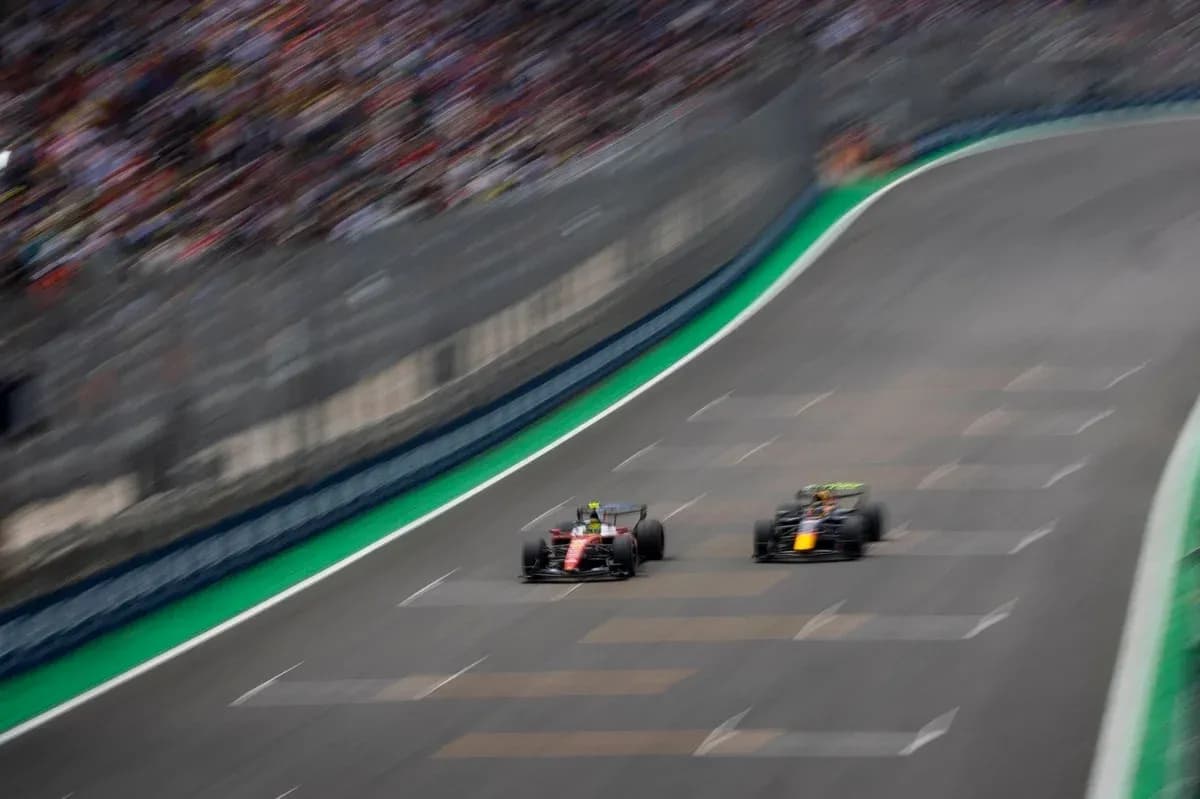
Lewis Hamilton, Charles Leclerc and Max Verstappen will all start on the back foot at Interlagos after taking engine penalties for the Brazilian Grand Prix, turning Sunday into a high‑stakes recovery mission for three of the sport’s biggest hitters.
Ferrari blinks first
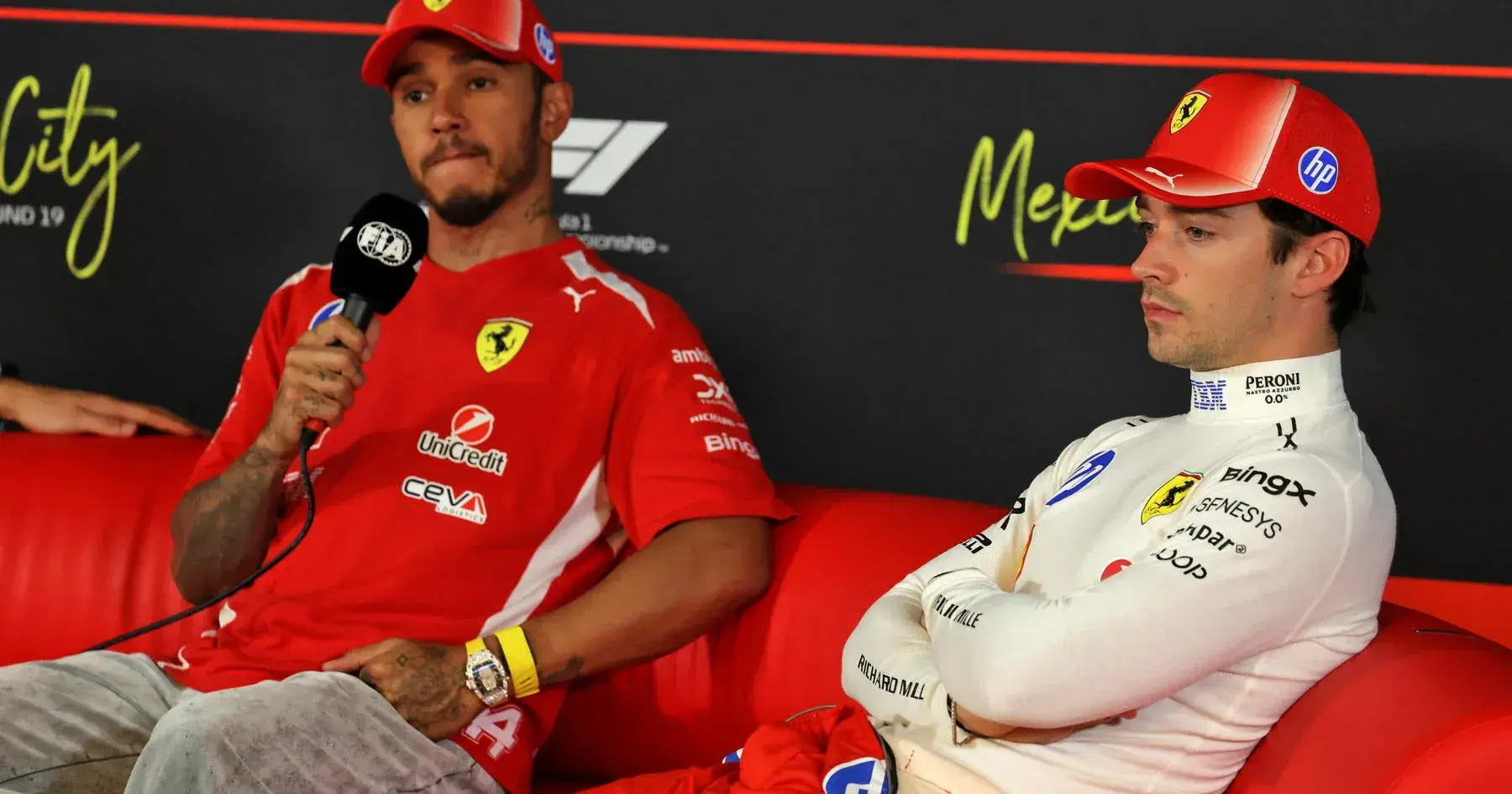
Ferrari’s bruising Friday forced the team’s hand. After a pair of scruffy practice sessions at the Autodromo Jose Carlos Pace, the Scuderia opted to press ahead with a planned power unit change on both SF-26s, fitting a new internal combustion engine in Hamilton’s and Leclerc’s cars.
The price is steep: 10-place grid drops for each.
It underlines just how uncomfortable Ferrari felt. Grip was elusive, balance worse. Leclerc called it one of the toughest Fridays of the season, and team principal Frederic Vasseur did not sugar-coat it either. The tarmac, he pointed out, behaved completely differently to the previous weekend, sending engineers back to the drawing board overnight as both drivers complained about the car’s behaviour.
The result is a gamble. Take the hit now, hope the fresh hardware and a potentially wet race turn damage limitation into something far more profitable.
Red Bull’s late call on Verstappen
On the other side of the paddock, Red Bull tried to wait it out. Coming into the weekend, the Milton Keynes team insisted a power unit change for Verstappen wasn’t yet necessary at Interlagos. Then came Friday.
Verstappen’s RB22 picked up what the team initially labelled “small issues” and “inconsistencies”. The Dutchman parked up six minutes before the end of second practice, skipping a practice start on the uphill grid – a curious decision given Red Bull’s launches have been patchy this year. As Verstappen climbed out, mechanics dived under the car. The alarm bells were obvious.
By Friday night, Red Bull had broken curfew. By Saturday, the full engine change was confirmed. Verstappen will start from the very back.
So the world champion faces another Brazilian Grand Prix with a mountain to climb. It is a landscape he knows well. Last year he stormed from the pitlane to the podium. In 2024 he won from 17th on the grid, a charge that effectively crushed Lando Norris’s title hopes. Go back to 2016 and there is the soaked, sliding masterclass in the rain, salvaging a podium after an earlier tyre misstep from the team.
Interlagos has become Verstappen’s playground when chaos reigns. On Sunday, he will need that reputation again.
Hamilton back in comeback country
Hamilton, too, returns to a circuit where he has turned adversity into theatre.
In 2021, he delivered one of the defining weekends of his career here. Disqualified from qualifying, he surged from 20th to fifth in the sprint, then from 10th on the grid to victory in the Grand Prix itself. Brazil remembers those drives.
This time, the context is harsher. Ferrari is not flying; it is floundering. The SF-26 looked skittish, the balance off, the drivers unhappy. Vasseur admitted there is “a lot to do” and pointed to a tricky weather forecast that could swing from dry to wet across the weekend.
That forecast might be Ferrari’s lifeline. A wet race would compress the field, amplify driver skill and tyre calls, and offer Hamilton and Leclerc the sort of mixed-conditions stage where bold decisions can erase grid penalties in a handful of laps.
Perez joins the back-row brawl
Sergio Perez will be in that same traffic jam. Red Bull has fitted his car with a new internal combustion engine, turbocharger and MGU-K, triggering a start from the back for Sunday’s race as well.
So the Brazilian Grand Prix, at a circuit already famous for its drama, now promises a different kind of spectacle: three serial race-winners and a proven front-runner all starting deep in the pack, armed with fresh power units and forced into attack mode.
Interlagos has seen titles decided, legends made and careers reborn. On Sunday, it might ask a simpler question: who can carve through the chaos fastest?