Ceuta Migrant Returns Amid Political Pressure
There was barely a ball kicked, yet politics and pressure dominated the day.
In Ceuta, the Spanish Government confirmed that more than 5,300 migrants who had remained in the enclave after July’s mass influx had returned to Morocco over the past month. The announcement landed with the weight of a defensive clearance rather than a moment of celebration, a necessary act under the glare of a restless crowd.
The numbers arrive at a delicate moment for Prime Minister Pedro Sánchez. His administration faces growing criticism over the pace and manner of the returns from the Spanish North African territory, with opposition voices accusing the government of mishandling both the humanitarian and security dimensions of the crisis. Every statistic now feeds into the narrative ahead of next year’s election, every decision framed as either control restored or compassion abandoned.
Ceuta itself sits on edge. The city has lived for months in a kind of extra time, waiting for normality to resume, its streets carrying the tension of a match that refuses to settle. The government’s message is clear: the situation is being brought under control. The questions in Madrid are sharper: at what cost, and with what political fallout?
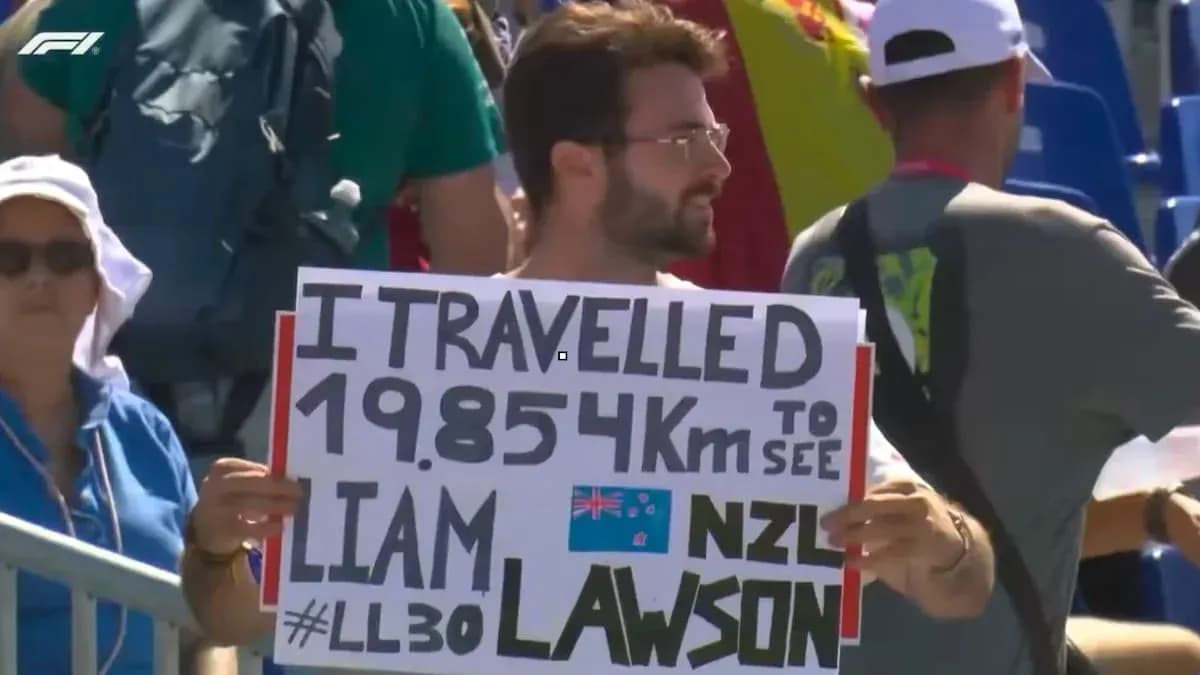
Far from the border drama, one supporter at least would have found a different kind of release. Any genuine Lawson fan had reason to smile as the Kiwi driver turned an eighth-place start on the grid into a sixth-place finish. No podium, no fireworks, but a solid climb through the field — the sort of performance that hints at something building, quietly, for the races still to come.