Brazilian Grand Prix Grid Turned Upside Down
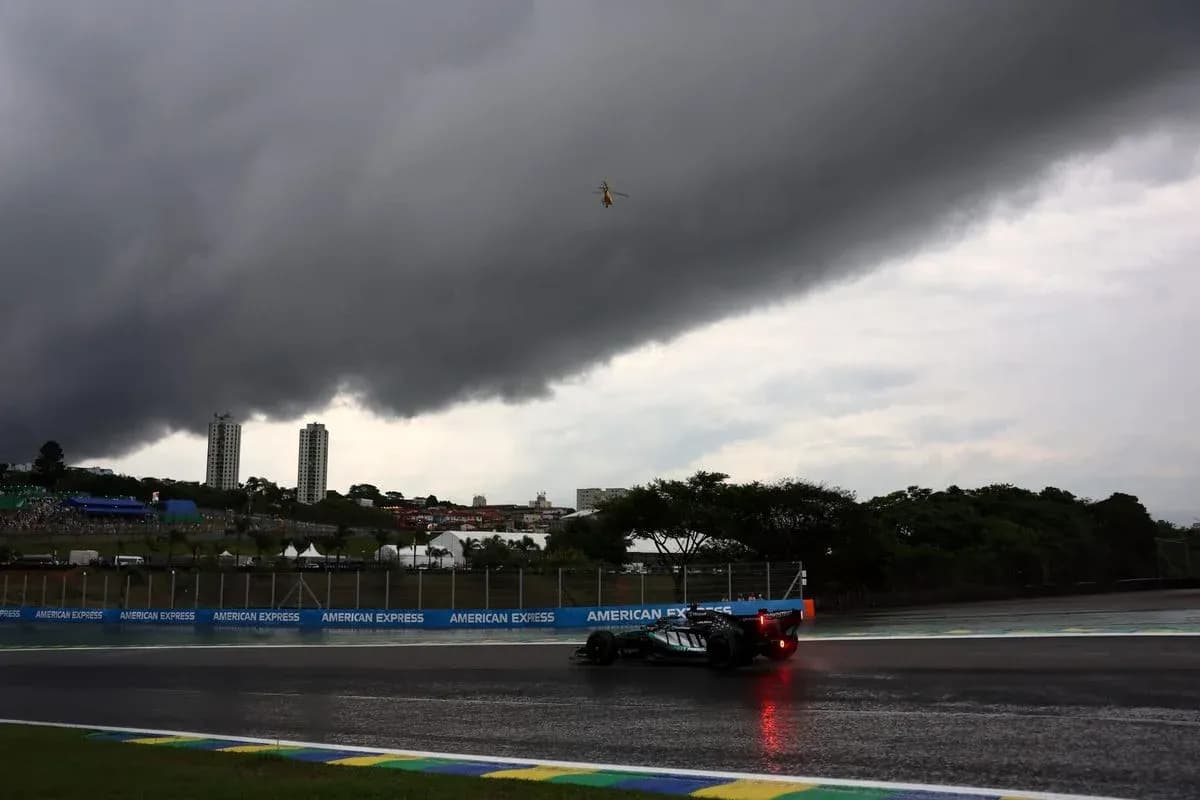
At Interlagos, the grid looks like it’s been turned upside down and shaken hard.
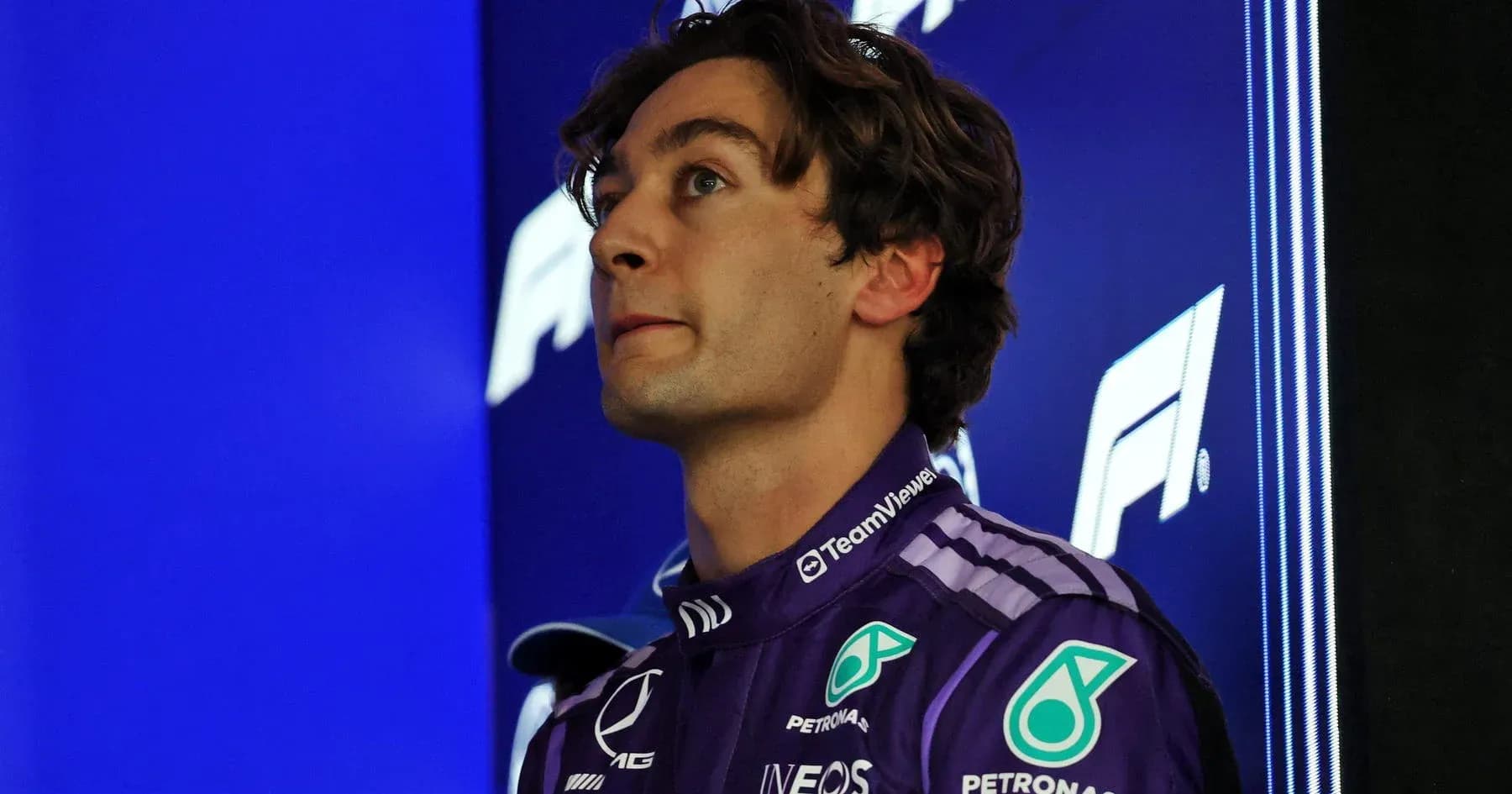
Penalties for five drivers – including George Russell, Max Verstappen and both Ferrari men – have ripped up the usual order for the Brazilian Grand Prix and handed centre stage to some of the sport’s new and returning faces.
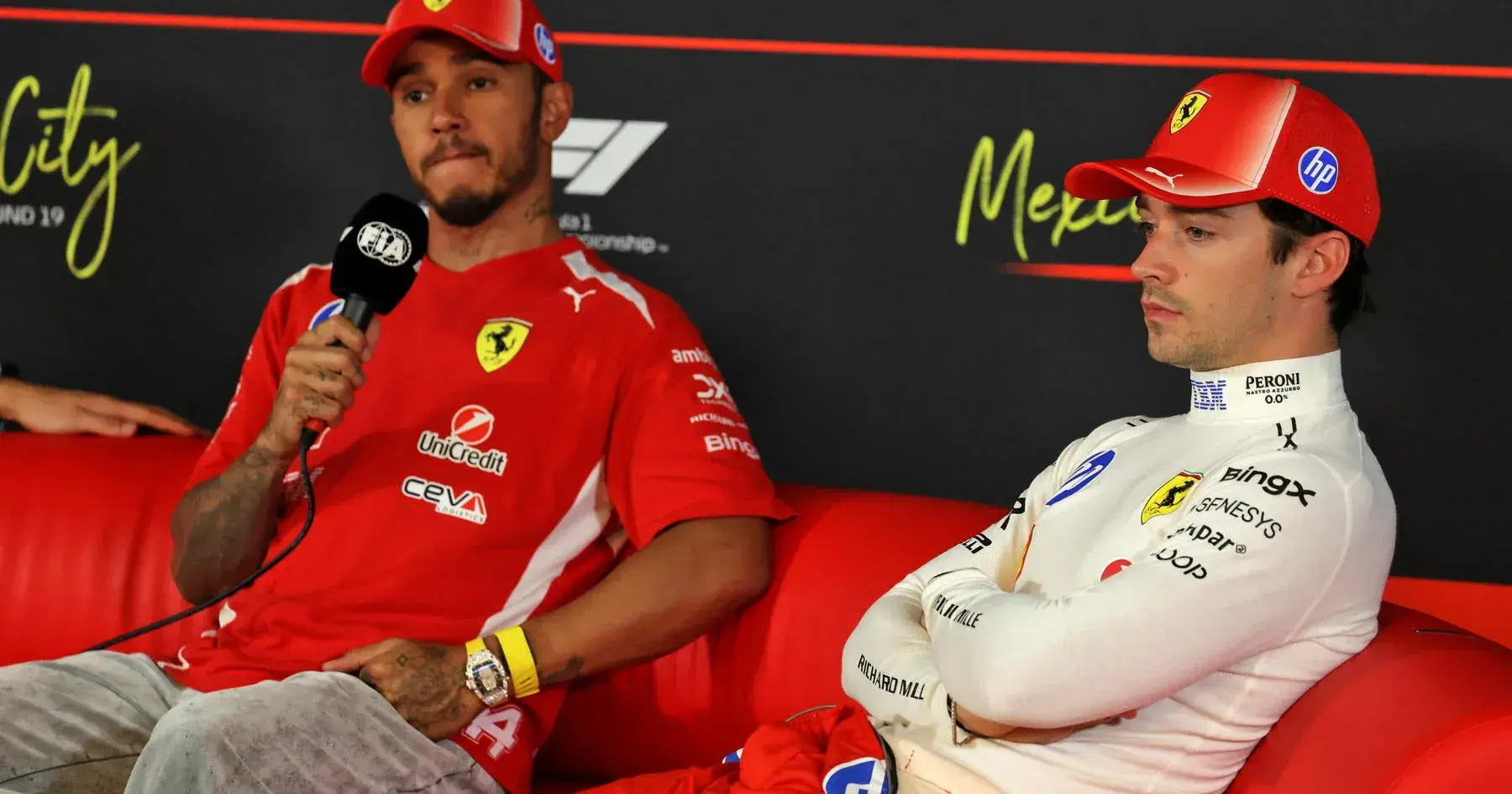
Russell and Charles Leclerc both paid the price for engine and component changes. Russell’s second place in qualifying becomes seventh on the grid; Leclerc tumbles from fourth to 14th. Lewis Hamilton and Verstappen barely bothered with the full session, knowing they were condemned to the back regardless. Hamilton carries a mammoth 75-place penalty, Verstappen “only” 30, yet it’s the Red Bull that lines up ahead thanks to the Dutchman’s quicker lap among the back-of-the-grid starters.
Sergio Perez also joins the penalty club, but for Cadillac’s perennial backmarker, it changes little. He was due to start 22nd and stays there, the final car on a grid that bears almost no resemblance to a typical modern F1 front three rows.
What their collective absence from the sharp end has done, combined with a wet qualifying session that punished hesitation and rewarded nerve, is throw the spotlight onto a very different cast.
Lando Norris will lead them away for McLaren, a familiar name in a very unfamiliar context. No Verstappen alongside him. No Ferrari. No Mercedes star. Instead, it’s Kimi Antonelli, the teenage Mercedes prodigy, who shares the front row, staring at the Senna S with the sort of opportunity rookies usually only dream about.
Just behind, the story gets even more intriguing. Liam Lawson, back in the thick of it with Racing Bulls, starts third. Nico Hulkenberg, now in Audi colours and long accustomed to midfield anonymity, suddenly finds himself on the second row in fourth. One wet, chaotic Saturday, and the veteran has a genuine shot at something far bigger than points.
Row three is no less striking. Isack Hadjar, in a full Red Bull seat, lines up fifth, with Ollie Bearman starting sixth for Haas – a position that would have sounded fanciful not long ago. Bearman has impressed each time he’s been given a chance; now he goes to the grid as a genuine top-six starter, not just a stand-in curiosity.
Russell sits seventh in the Mercedes, the first of the “usual suspects” trying to slice through this reshuffled pack. Ahead of him, the track is littered with ambition. Behind him, danger.
Fernando Alonso, eighth for an Aston Martin team still searching for answers in 2026, lurks with all his trademark guile. Alex Albon, ninth for Williams, has another chance to turn a strong starting spot into the kind of result that keeps his stock high, even as his team battles at the wrong end of the constructors’ table. Oscar Piastri rounds out the top 10 in the second McLaren, well placed to play a key role in the strategic battle.
Just outside the top 10, the next wave of talent forms up. Rafael Camara in 11th for Haas and Arvid Lindblad in 12th for Racing Bulls underline how deep the field’s youth movement runs. Carlos Sainz, now in Williams colours, finds himself 13th, ahead of the demoted Leclerc, in a Ferrari that should be nowhere near the midfield but is mired there all the same thanks to penalties.
Franco Colapinto and Pierre Gasly lock out row eight for Alpine in 15th and 16th, with Lance Stroll’s Aston Martin and Valtteri Bottas’s Cadillac behind them. Gabriel Bortoleto starts 19th for Audi, another rookie with work to do before he can even think about points.
Then comes the heavyweight traffic at the back.
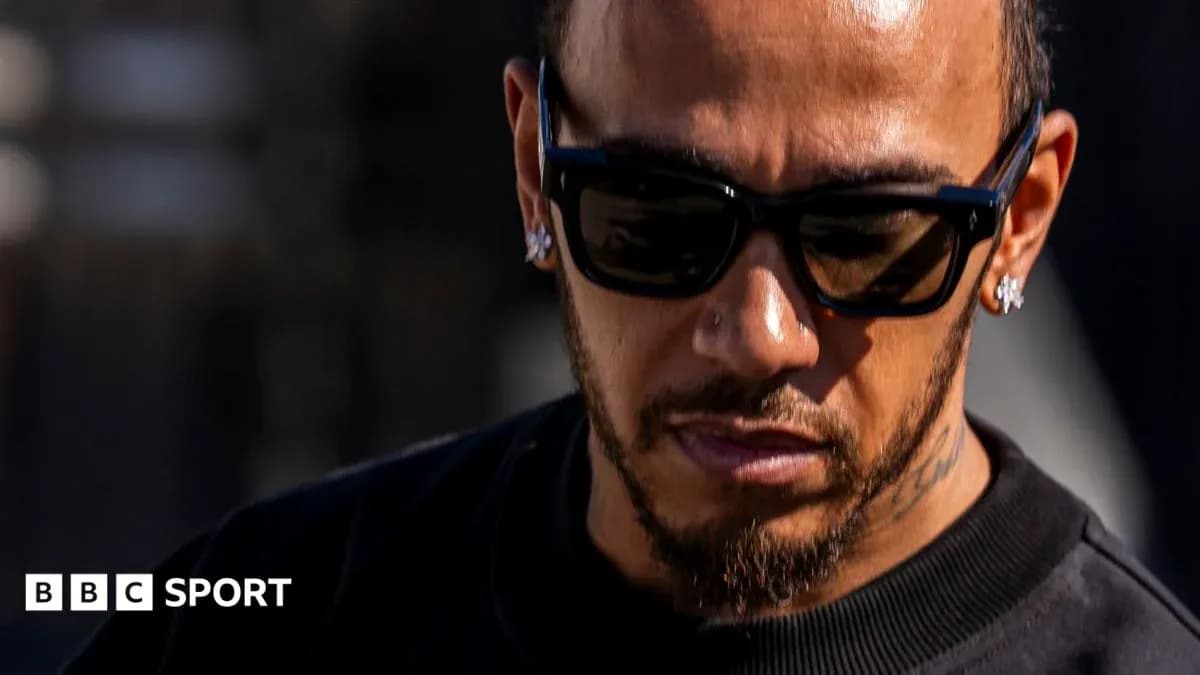
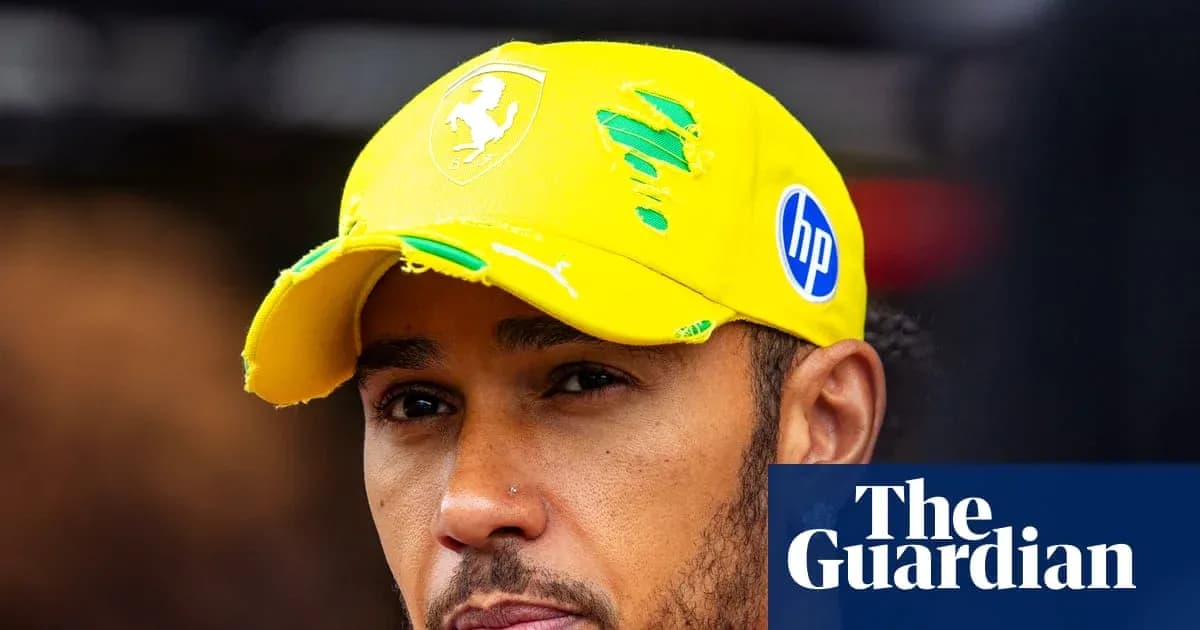
Hamilton, in Ferrari red, goes from global superstar to 20th on the grid in an instant, with Verstappen 21st and Perez 22nd. Three serial race winners, boxed in at the tail, staring at a wall of slower cars and a long afternoon of risk and reward. Verstappen may have won races from almost anywhere, but Interlagos, with its short lap, traffic, and changeable skies, has a habit of punishing the impatient.
So the Brazilian Grand Prix will launch with Norris and Antonelli on the front row, Lawson and Hulkenberg right behind, and a grid scattered with rookies, reborn veterans and displaced champions.
It looks chaotic. It looks unpredictable. And for once, the biggest question at Interlagos isn’t which dominant car will disappear into the distance, but which of these unlikely contenders will dare to grab the race by the throat before the giants arrive in their mirrors.