Who Is Truly Responsible for Manchester United's Fall into Relegation Danger?
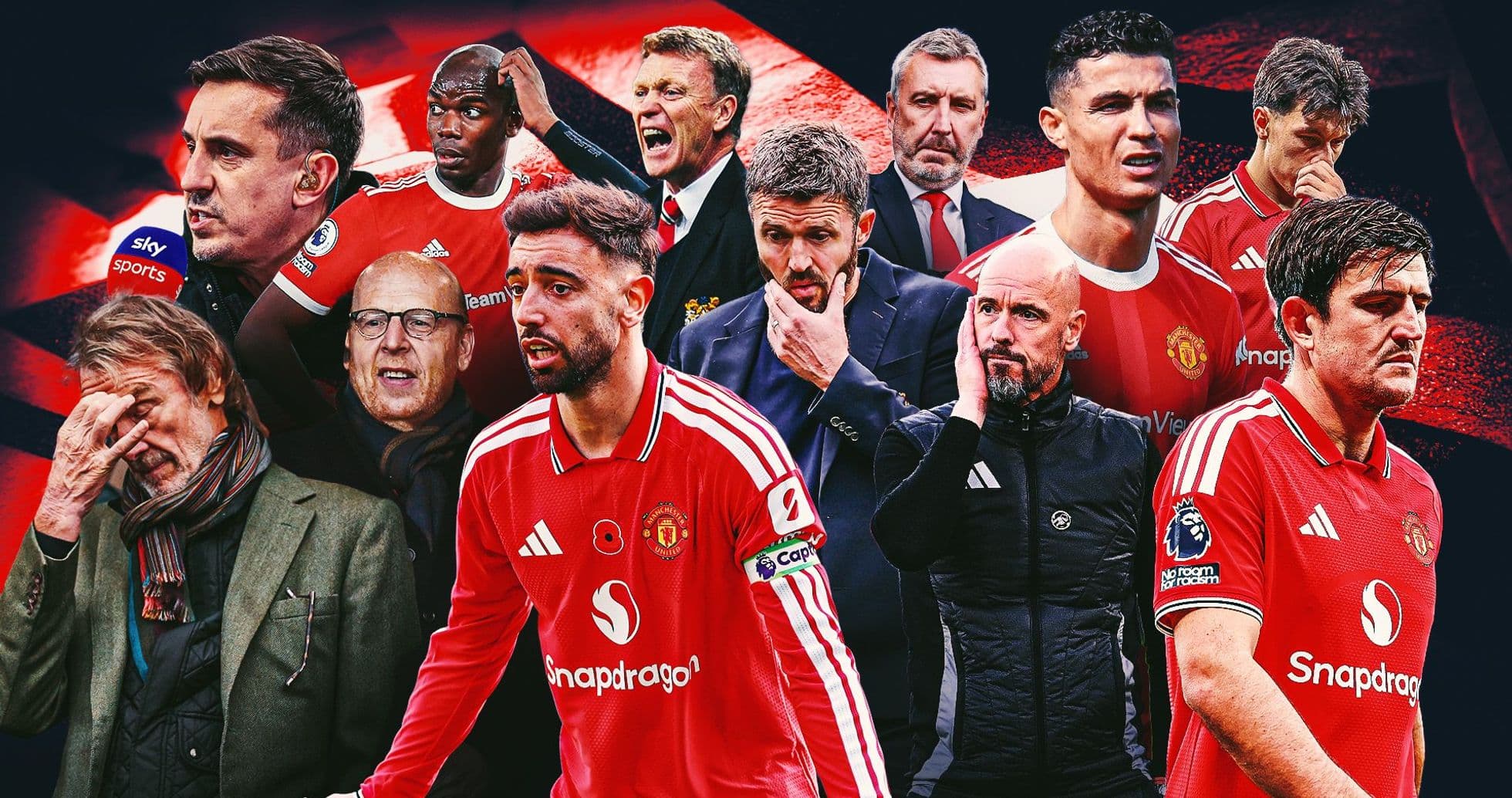
Manchester United's Long Slide Toward Relegation
Manchester United faces a grim possibility of relegation, a fate that seemed unimaginable just a few years ago. While Manchester City’s potential drop is linked to financial penalties, United's struggles stem from poor performances on the pitch, sitting perilously close to the relegation zone after winning only one of their first nine league matches in the 2026-27 season.
The team has suffered six losses and three draws in their last nine outings, scoring just six goals while conceding 18. This run suggests deeper problems that a simple managerial switch is unlikely to fix, especially since the club’s leadership once ambitiously aimed to reclaim Premier League glory by 2028, United’s 150th anniversary.
The Beginning of Decline: The Glazer Takeover
The roots of United’s troubles trace back to 2003 when Malcolm Glazer began buying shares amid internal disputes involving Sir Alex Ferguson and previous owners. By 2005, Glazer had acquired nearly total control through a leveraged buyout, saddling the club with significant debt for the first time in decades.
The takeover sparked immediate fan protests and even led to the creation of an alternative club, FC United of Manchester. Despite securing multiple titles between 2006 and 2009, the financial strain grew, increasing debt to £716 million and sparking ongoing opposition highlighted by fans adopting green and gold, the original colors of United's predecessor, Newton Heath.
Masking Problems: Ferguson’s Era and Departure
Sir Alex Ferguson’s tenure concealed many structural issues. Alongside CEO David Gill, Ferguson managed commercial and sporting affairs effectively. Their simultaneous departure in 2013 left a void. Ferguson retired after securing his 13th Premier League title, urging fans to support his successor, David Moyes.
Following Ferguson’s exit, executive power shifted toward Ed Woodward, prioritizing commercial interests over football. Moyes faced a daunting task replacing Ferguson, compounded by a fading core of legendary players and a lack of strong backing in transfers.
Managerial Instability and Failed Appointments
Since Ferguson, United has cycled through eight permanent managers, each failing to restore the club’s former dominance. Moyes struggled with player unrest and was sacked after a dismal season. Louis van Gaal focused on possession but failed to deliver lasting success despite an FA Cup win. Jose Mourinho brought initial trophies and a second-place finish but fell out with players.
Ole Gunnar Solskjaer briefly revived spirit and style but won no major silverware and was dismissed after a poor start in 2021-22. Ralf Rangnick’s interim stint highlighted systemic issues, describing the club as needing 'open heart surgery.' Erik ten Hag, given a massive transfer budget, failed to build a cohesive squad and was ultimately relieved of his duties despite cup wins.
Recruitment Woes and Financial Mismanagement
United has spent more than £2 billion on transfers post-Ferguson, yet only a handful of signings like Bruno Fernandes and Zlatan Ibrahimovic have truly succeeded. Managers frequently brought in expensive players who failed to fit the team or lived up to expectations, wasting vast sums.
Ten Hag’s signings included several misfits, worsening the situation. Bryan Mbeumo, Senne Lammens, and Matheus Cunha under Amorim showed some promise, but frequent interference from the club’s hierarchy disrupted consistency in recruitment and playing style. Unlike Ferguson’s era where he controlled transfers, now multiple voices lead to muddled decisions.
The Boardroom’s Role in United’s Crisis
Ed Woodward’s tenure prioritized marketable signings over football needs, handing large contracts to underperformers while facing heavy criticism for involvement in the failed European Super League. His departure in 2021 paved the way for John Murtough, whose transfer decisions mirrored previous mistakes, including overpaying for players like Antony and Rasmus Hojlund.
Richard Arnold, Woodward’s successor as CEO, struggled with institutional crises such as the mishandling of Mason Greenwood’s reintegration and allowed the Ronaldo saga to fester. These board-level errors undermined football decisions and alienated fans.
INEOS and the Latest Chapter
The Glazers’ strategic review in 2022 sparked hope with bidders like INEOS and Sheikh Jassim emerging. Although a full sale didn’t happen, INEOS purchased a 27% stake and took operational control in 2024, pledging to reverse years of decline. But recent decisions, including firing Ten Hag after an FA Cup win and appointing Amorim without full authority, failed to stabilize the club.
INEOS’s cost-cutting measures, including staff layoffs, wage reductions for legends, and higher ticket prices, have made them unpopular. Defensive weaknesses were neglected, contributing to current relegation risks. Fans staged protests, highlighting frustration with ownership alongside the Glazers.
Calls for Change from Fans and Legends
Former United captain Gary Neville has become a vocal critic, urging the Glazer family to sell the club immediately. He points out that despite heavy spending, the club remains mired in debt and poor performance. Neville condemns plans for a new stadium funded by borrowing billions without clear finances, viewing it as emblematic of ownership’s detachment from reality.
"Enough is enough, they have to sell the whole club. The fans have had enough. They have to go now," Neville said emphatically.
The possibility remains for INEOS to increase their stake or buy the club outright, but only if the Glazers receive an acceptable offer. Until then, United’s future looks uncertain, with deep-seated issues demanding resolution beyond quick fixes.
The Road Ahead
Manchester United teeters on the edge, weighed down by absentee owners and poor decision-making at all levels. The club’s identity and soul have suffered, and without a fundamental change in ownership and approach, the darkness enveloping Old Trafford may persist. Fans and former players alike insist the time for patience has passed; decisive action is needed to revive the Red Devils.