USA Dominates FIBA Women's World Cup Opener
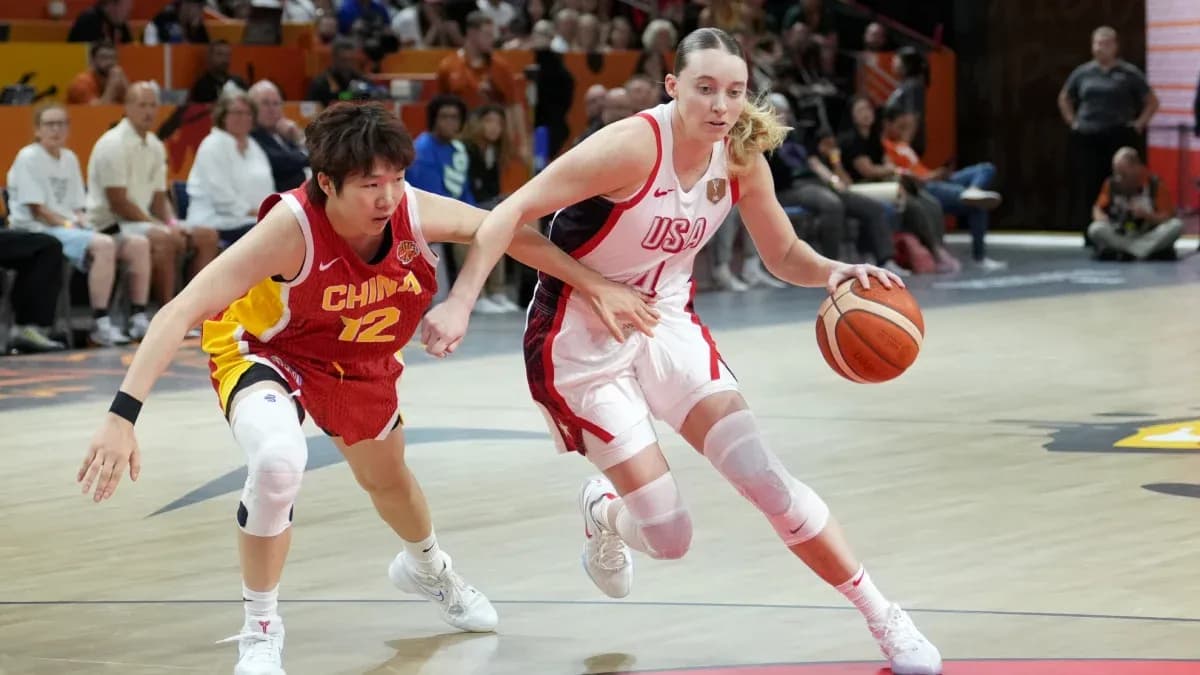
The United States arrived at the FIBA Women's World Cup carrying the weight of history and the comfort of dominance. Eleven titles. Four straight golds. Only a single bronze in 2006 interrupting an otherwise unbroken run of supremacy. This is their tournament, and everyone in the building knows it.
On opening night, they played like it.
Spain rolled. France rolled. The United States did more than that. A 94–61 dismantling of China set the tone, a reminder that while the rest of the world is closing the gap, the Americans still operate on a different level when it matters most.
And in the middle of it all, coming off the bench, Caitlin Clark seized the stage.
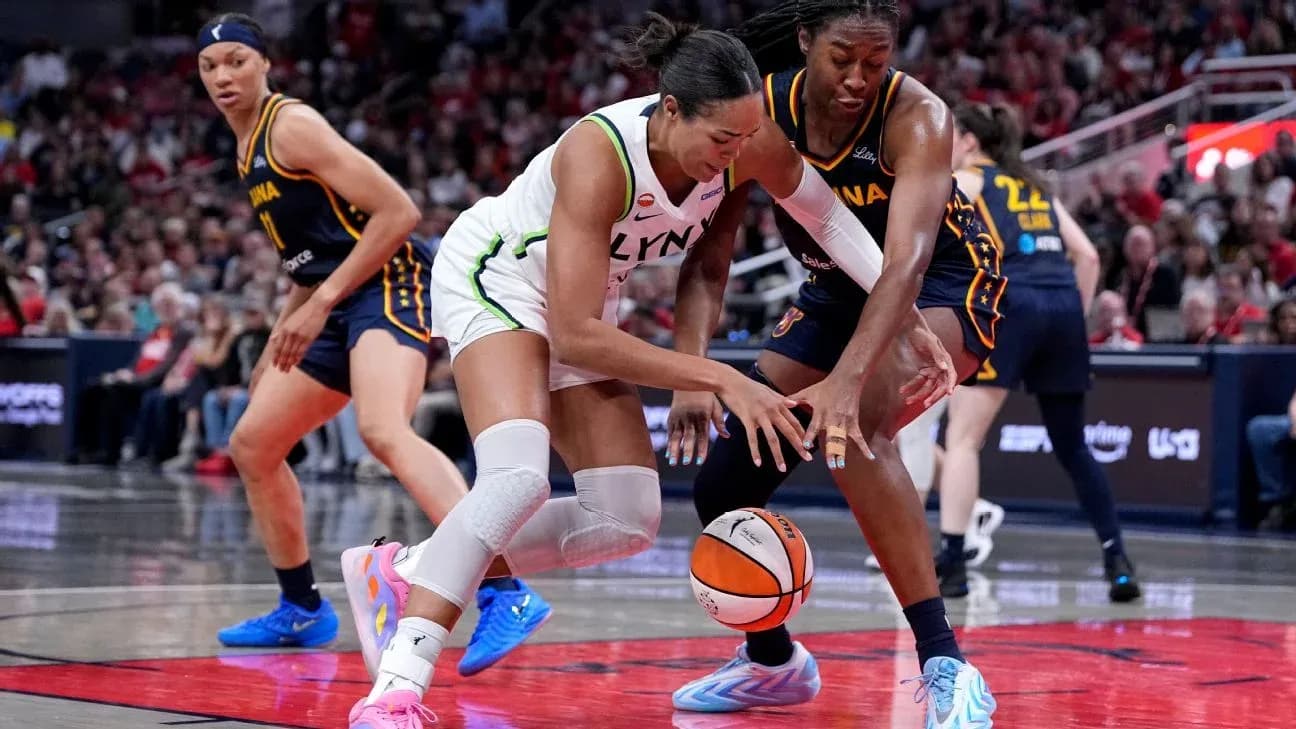
She logged a team-high 25 minutes, controlled the tempo, and walked away with Player of the Game honors. Eleven assists — the most by an American at this tournament in 28 years — and a game-best 14 points, matched only by her backcourt partner Paige Bueckers. The stat line told one story. The way she bent the game to her will told another.
Clark stretched the floor with her shooting threat, pulled defenders out of shape, and punished every overreaction. Double-teams chased her over screens and into traps; she turned them into layups and open threes for others. That’s the same blueprint that has her leading the WNBA in assists, and it translated seamlessly to the world stage.
The chemistry with Bueckers, already a talking point before the tournament, snapped into sharp focus against China. When Clark drew attention, Bueckers slipped into the gaps, cutting, spacing, and reading the floor in tandem with her teammate. The numbers backed it up, but their connection was obvious long before the box score confirmed it.
"We know how to play well off of each other. She draws so much defensive attention, so a lot of the defense is worried about her and she has great vision as well," Bueckers said afterward, the Dallas Wings guard offering a straightforward assessment of a partnership that looks anything but complicated on the court.
The night also delivered one of the viral images of the tournament so far: Bueckers standing next to China’s 7-foot-3 center Zhang Ziyu, craning her neck upward in disbelief. It was a snapshot of the sheer physical scale on display, and of the different kinds of problems this U.S. backcourt can solve. Size, speed, pressure — so far, they’ve handled all of it.
The broader picture is just as stark. The United States didn’t just beat China; they overwhelmed them. Defensive pressure fed transition. Half-court sets flowed through Clark’s hands. Shooters spaced the floor, bigs finished plays, and the gap on the scoreboard widened until the contest felt like a statement as much as a result.
Now the schedule tightens.
On Sunday, Team USA faces Italy, a side coming in with confidence after taking down Czechia in their opener. Italy will test the Americans’ perimeter defense and discipline, and they’ll do it with nothing to lose. Then, on Monday, the U.S. closes Group D against Czechia, a quick turnaround that will challenge legs, focus, and rotations.
For the rest of the field, the question is familiar: can anyone drag this American machine out of its comfort zone? For now, the answer looks the same as it has for decades — not if Clark, Bueckers, and this backcourt keep dictating terms the way they just did.