How Ukrainians Are Rallying Behind Shakhtar Donetsk in London
Shakhtar Donetsk's New Home for Champions League Matches
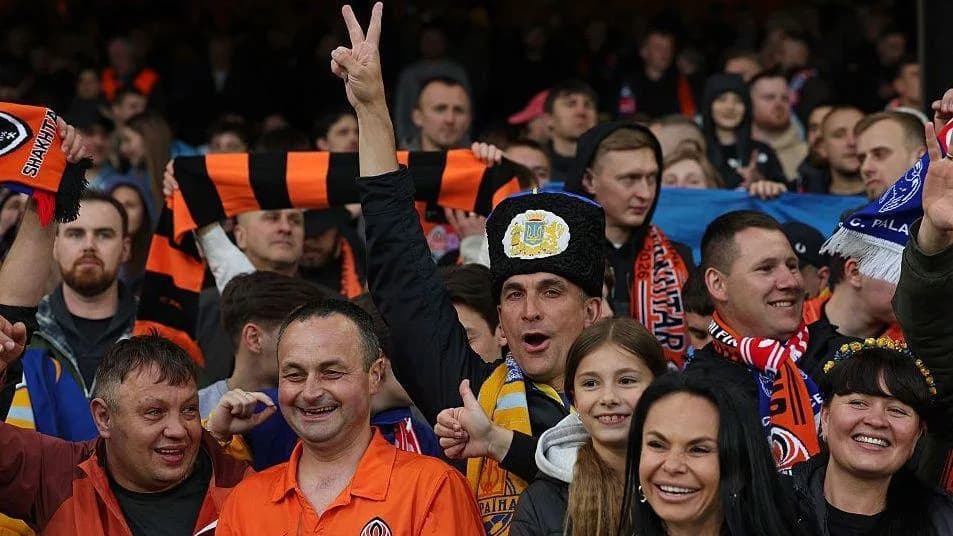
Shakhtar Donetsk will host their Champions League home games at Stamford Bridge this season. Though not an ideal situation, the Ukrainian community in the UK is embracing this challenge with a sense of unity and pride.
A Shared Connection Through Football and Heritage
Artem Genne recalls a cherished memory from 2012: standing on the Donbas Arena pitch, waving the Champions League flag before a match against Chelsea. The conflict starting in 2014 forced many fans, including Genne, to leave Donetsk. Since then, Shakhtar has moved across various cities within Ukraine and Europe, now settling in London for Champions League fixtures.
Genne, now living in the West Midlands, plans to attend all four home games at Stamford Bridge, starting with the match against AEK Athens. He describes meeting fellow Ukrainians abroad as a source of hope and belonging, despite the harsh realities back home.
“When you’re wearing a Shakhtar shirt here, people applaud and cheer. There’s no hostility at all,” he says.
Emotional Significance for Fans
Dima Prasolov, who relocated from Donetsk to Kyiv and now resides in Kent, expressed joy over the chance to buy a four-game pass for the first time in about 15 years. For him, supporting Shakhtar isn’t just about football—it’s deeply emotional due to his lifelong dedication and the club's importance to the Donbas community.
Challenges Beyond the Pitch
Shakhtar’s chief executive, Sergei Palkin, highlights ongoing difficulties, such as relocating youth teams due to safety concerns and disruptions caused by drone strikes. He emphasizes that each match carries more weight than sport alone, reflecting the daily struggles and uncertainties faced by players and staff.
“The toughest challenge is uncertainty. You wake up not knowing what today or tomorrow holds,” Palkin explains.
London as a Gathering Point for Ukrainians
The London fixtures offer more than football; they provide a rare chance for Ukrainians to unite, even bridging rival fan groups. Genne notes that traditional football rivalries have given way to shared support against a common adversary.
Despite skepticism regarding the accessibility of London matches—given visa costs and application times—many supporters plan to watch games together in pubs, creating a wider community atmosphere.
Strong Support From the Ukrainian Diaspora
Tickets for previous Shakhtar matches in England sold out rapidly, fueled by a passionate Ukrainian diaspora in west London. Prasolov points out the vibrant atmosphere expected at Stamford Bridge, with national songs and chants celebrating Ukrainian pride.
Fundraising events featuring Ukrainian artists are also part of the scene, helping supply aid to Ukraine. Genne stresses the importance of these efforts, highlighting a collective determination to support their homeland despite being far away.
Community Engagement and Youth Connection
Palkin describes ongoing outreach programs connecting the club with Ukrainian children in London through school visits and training sessions, strengthening ties with the diaspora.
Raising Awareness Amid Conflict
With approximately 265,000 Ukrainians having sought refuge in the UK, Shakhtar’s presence in the Champions League helps keep attention on Ukraine’s situation. Palkin stresses the significance of visibility, noting that much news from Ukraine tends to be negative.
“Seeing Ukraine represented on this stage sends a message: we are alive, fighting, working, living, and competing,” he says.
Hope and Identity Through Sport
Amir, another fan living in London who left Donetsk at age 15, views the club's participation as a beacon of hope. The representation of an Eastern Ukrainian club on the international stage reminds many of their roots and keeps a connection alive despite occupation and war.
Looking Ahead to Upcoming Matches
The upcoming game against AEK Athens will be an emotional event for fans, followed by matches against Real Madrid, Sporting, and Fenerbahce. Genne believes that positive moments like these bring joy and a sense of community, offering brief relief from the hardships endured by Ukrainians.
“It’s more than football—it’s about joy, fun, and togetherness,” he reflects.