What’s the Value of a UFC Title Now That Pay-Per-View Is Gone?
Pay-Per-View Is History, So What’s a UFC Title Worth Today?
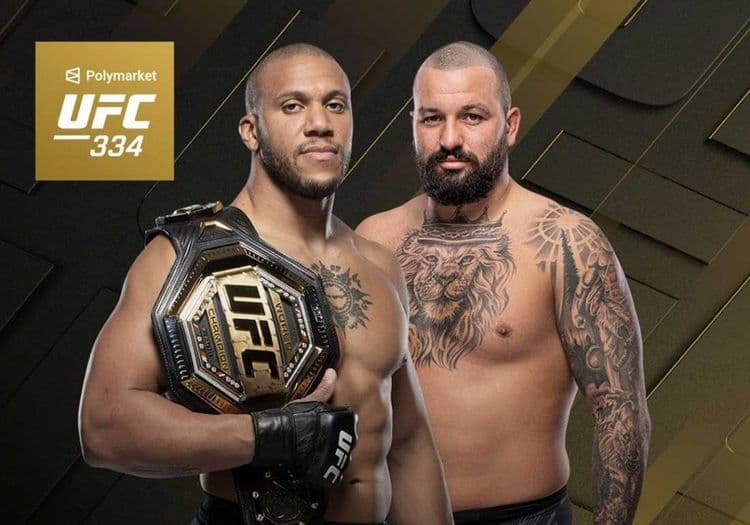
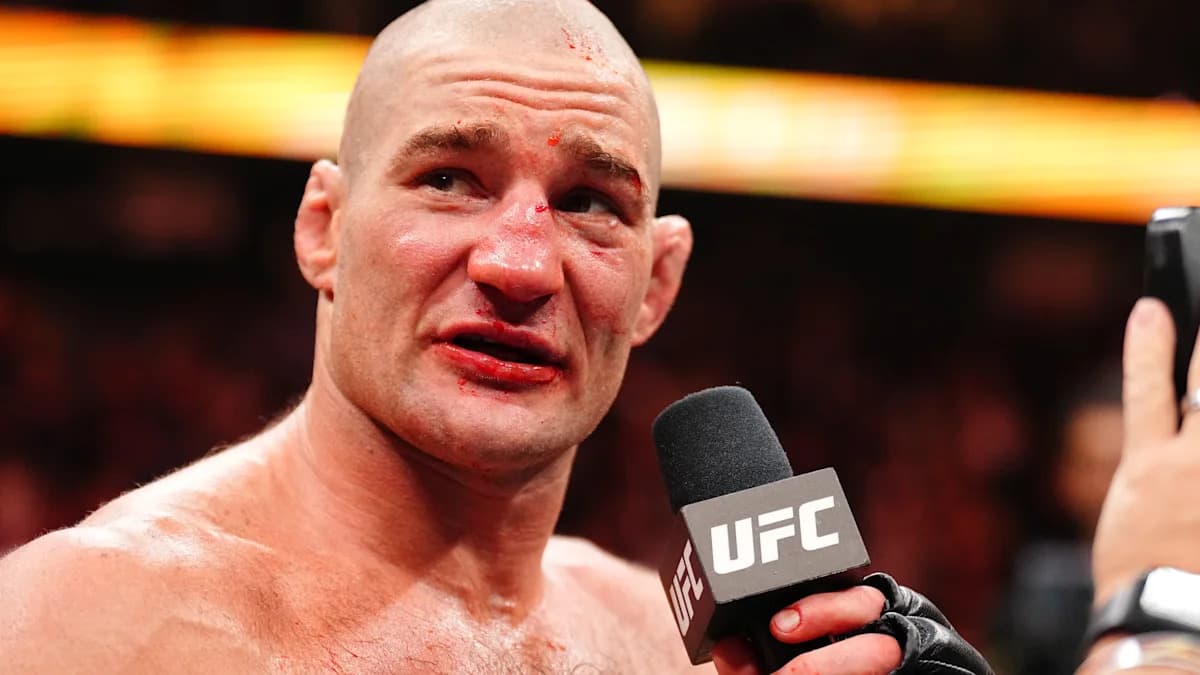
UFC champions no longer chase pay-per-view earnings. Fighters like middleweight titleholder Sean Strickland are feeling the impact of this shift firsthand. The days when holding a belt meant a slice of massive PPV payouts are behind us.
Back when pay-per-view was king, the path to wealth seemed straightforward: climb the ranks, win the UFC title, defend it, and cash in on your share of PPV revenue. That champion’s contract guaranteed fighters a cut from buys, which often translated into life-changing money beyond their standard fight purses.
The more popular the champ, the bigger the pay-per-view numbers — meaning a larger paycheck. Without that gold belt, fighters remained just another paycheck-to-paycheck competitor.
Now, with UFC pay-per-views basically extinct and events streamed for a simple monthly Paramount+ fee, the UFC’s parent company TKO pulls in about $1 billion yearly from these deals alone. Fighters still want the championship, but what’s it really worth without a cut of that money?
Sean Strickland’s Situation Reflects This New Reality
Strickland, who won the middleweight belt in May by upsetting Khamzat Chimaev, seems frustrated enough to consider giving up the title if it means escaping his current contract sooner. That raises questions: does the belt still hold significant value within the UFC?
I spoke to several managers to get insight. Most preferred anonymity, worried about their UFC relationships, but they shared some clear views.
PPV Dreams Were Fading Even Before the Model Disappeared
Managers explained that pay-per-view income was already shrinking before the UFC dropped the model. Prices on ESPN+ kept rising, alternatives to watching fights were widespread, and cultural habits shifted away from paying for individual cable events. As a result, even champions rarely saw big PPV checks anymore.
Still, being a UFC champ comes with perks. Contracts include pay bumps, and champions receive better payouts for adhering to promotional duties—like showing up for fight week and wearing UFC gear. For instance, champs now earn $42,000 per fight for promotional compliance versus $32,000 for challengers, while non-title fighters max out at $21,000 if they have over 21 UFC fights.
Sponsorship deals, meet-and-greets, and seminar offers also increase with a title, providing extra income, though nothing overwhelmingly lucrative.
Yes, Being Champion Pays More, But Not Like It Used To
Managers agreed the pay is higher, but the gap between champion and contender is smaller and more predictable. Fighters know upfront what they’ll make as champs, removing the unpredictable hopes tied to pay-per-view sales.
One manager pointed out that this clarity can be both a relief and a letdown. Fighters don’t chase an elusive million-buy event that might never happen. Yet knowing the figure is fixed and won’t rise regardless of hype or performance can leave champions feeling stuck. Seeing other fighters like Conor McGregor or Conor Benn earn huge sums in single bouts outside UFC contracts only highlights this frustration.
With Pay-Per-View Gone, UFC’s Priorities Have Shifted
When PPV sales mattered, the UFC had more reason to keep champions happy and craft attractive cards. Now, they earn the same whether a champion fights or sits out. If a champ drags their feet, the UFC can strip the title and move on quickly. Just ask Valentina Shevchenko, a longtime champ who found herself sidelined.
Events like UFC 332 show how the promotion no longer feels pressure to build each card around star power or quality alone. The economics have changed drastically.
Whether fighters like it or not, the era where a UFC championship brought near-limitless earning potential is gone. Champions now face a fixed reality about their pay, both the good and the bad sides of that certainty.