UFC 331: The Contrasting Fates of Page and Tuivasa
The UFC has never pretended to be fair. UFC 331 just underlines how far from fair it really is.
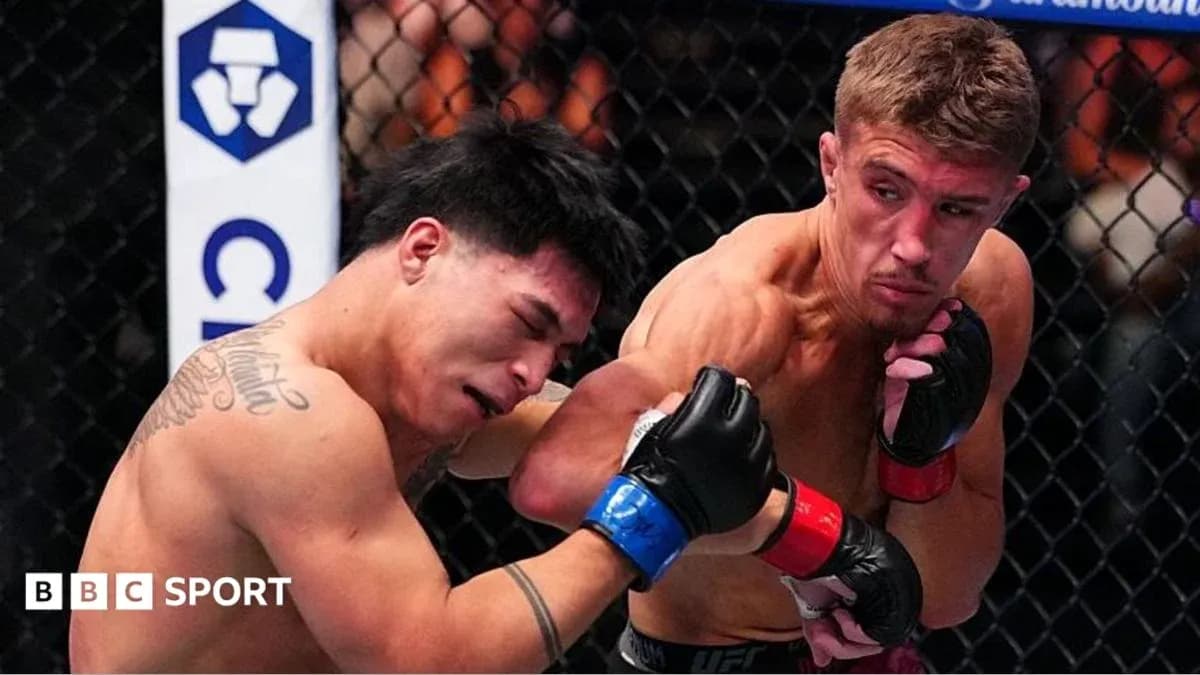
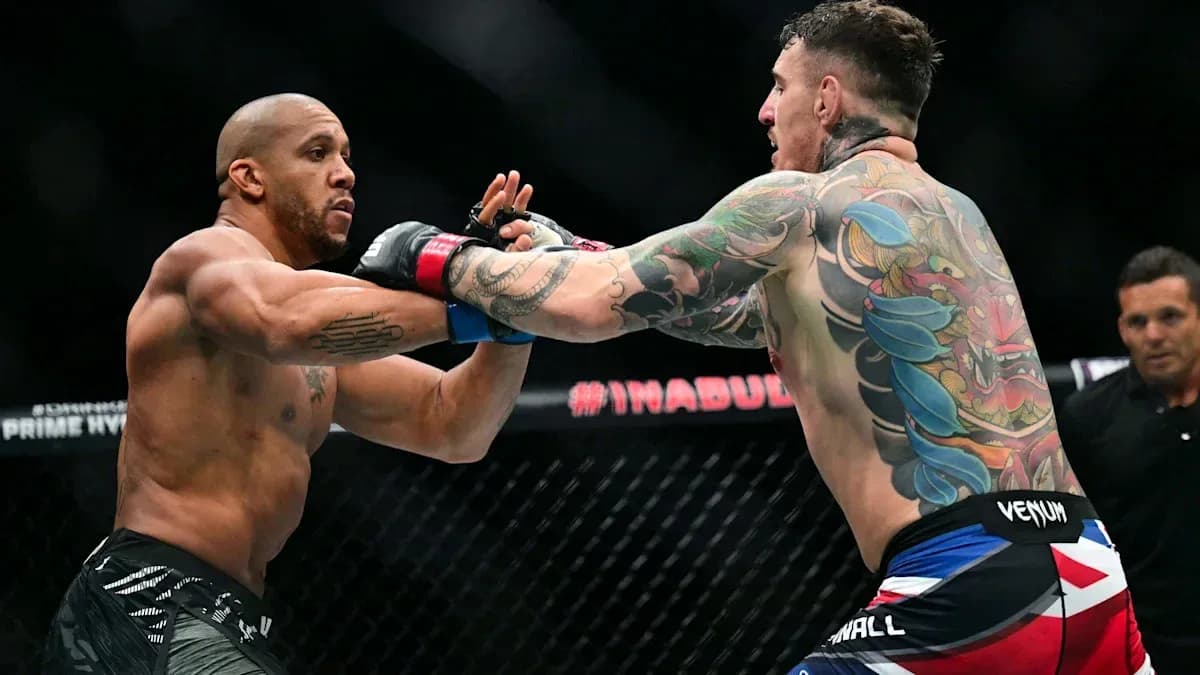
Two weeks ago in Paris, Michael “Venom” Page walked out of the Octagon for the last time under the UFC banner. He won, as he usually does. A clean, controlled decision. His UFC ledger closed at 5-1. Then came nothing. No real negotiation, no lowball offer to reject, not even a serious public conversation about keeping him.
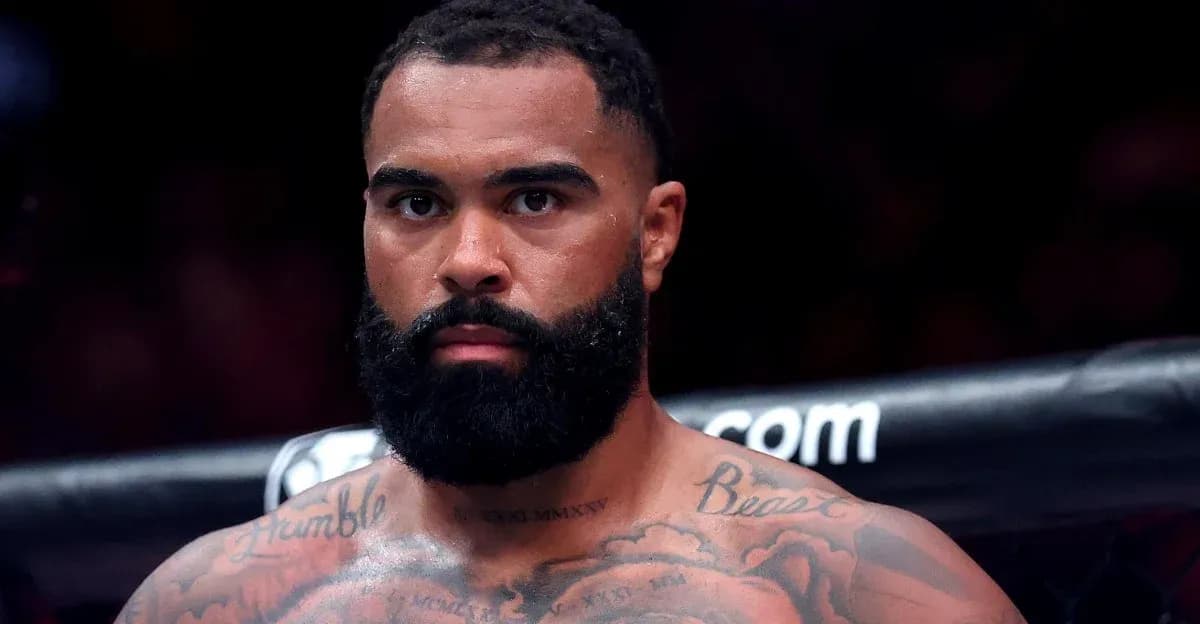
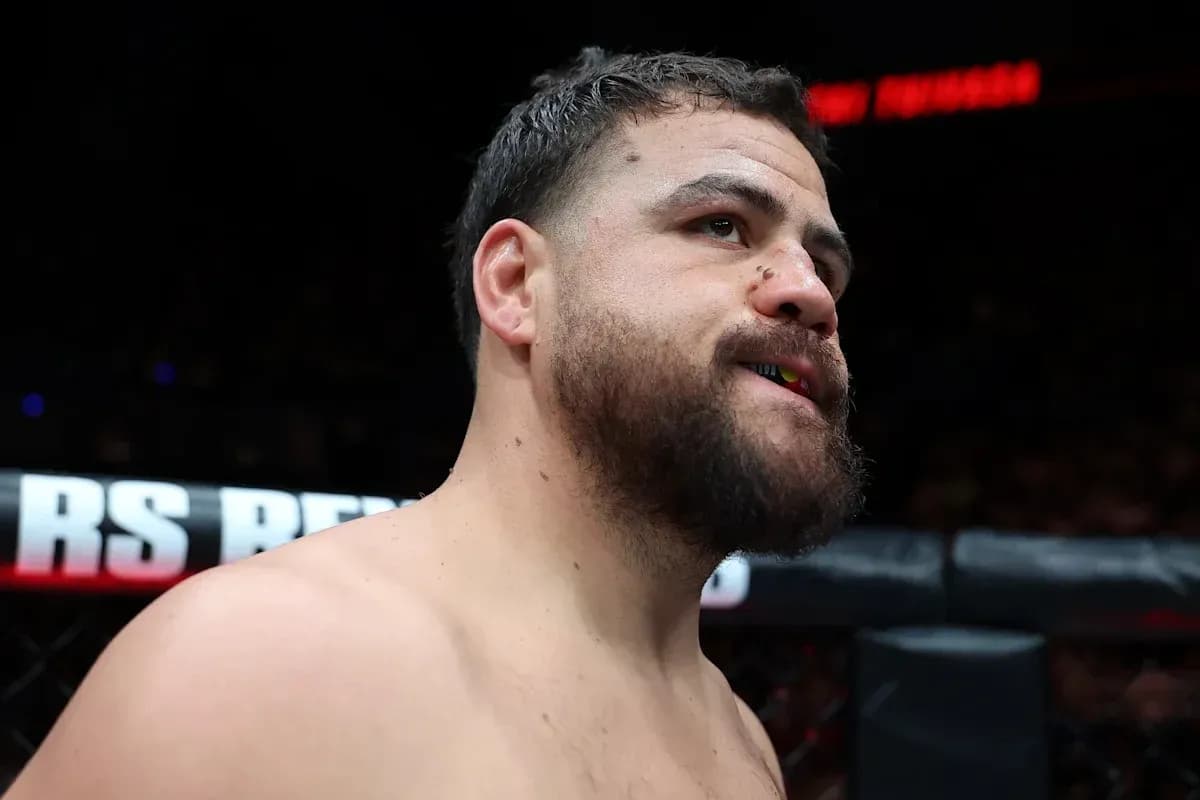
On Saturday in Miami, Tai Tuivasa will walk in on a seven-fight losing streak that stretches back to 2022. He’s staring at the wrong kind of history, one defeat away from matching Tony Ferguson’s grim eight-fight skid. Few give him much of a chance against Robelis Despaigne. Yet Tuivasa is the one still on the payroll, still on the main card, still being handed a dangerous knockout artist to welcome back to the promotion.
That contrast is the point. Tuivasa has already lost more consecutive fights than Page ever got to fight in the UFC. One is out the door. The other keeps getting booked. That doesn’t just say something. It shouts it.
The UFC is a sports organization, but it sells itself as a show. Winning is great, but winning the wrong way can be a liability. The unforgivable sin is not losing. It’s being boring while winning most of the time.
Page, at least in his final stretch, fell into that dead zone. A technician who could slow fights down, control distance, smother chaos. That’s a nightmare for matchmakers trying to build highlight reels. The guy who won’t brawl and won’t let anyone else brawl? There’s only so much room for him. Let another promotion figure out how to market a sleep aid.
Tuivasa is the opposite. He is chaos you can set your watch to.
He walks in, plants his feet, and swings like he’s trying to knock down a wall. He’ll give up takedowns. He’ll suck wind if the fight drags into deeper waters. He’ll eat shots he shouldn’t, then bite down and keep coming out of sheer, stubborn pride. You know what you’re getting: violence, risk, and usually a finish one way or the other.
Promoters love that kind of certainty. With Tuivasa, the UFC can look at the roster and map out which matchups will produce a slugfest, which will likely end in a wild knockout, which ones he probably wins and which ones he probably doesn’t. It only becomes a problem when he starts dropping the ones he’s supposed to win.
That moment may already have arrived. In May, in Australia, Tuivasa went in as a -225 favorite against Louie Southerland and trudged out with a unanimous-decision loss, his seventh straight defeat. The aura of the lovable knockout merchant took a hit. The job security that comes with being “the fun heavyweight” suddenly looked fragile.
Now comes Despaigne at UFC 331, and this matchup doesn’t have the feel of a reward. It looks like a calculated piece of casting. Despaigne flattened Junior dos Santos at the MVP Netflix event in May and reminded everyone how terrifying his power can be. If you’re a UFC matchmaker, you see a giant puncher who thrives in stand-up exchanges and you look for one thing: an opponent who will stand still and trade, not shoot for takedowns and not drag him into a grind.
You call Tai Tuivasa.
A heavyweight with Tuivasa’s power always has a chance. One swing can flip the script. But this is not a soft landing. It’s a test the UFC clearly believes will produce fireworks, no matter who falls.
All the while, the message to the roster is loud and clear. Fighters don’t need it spelled out. They can read the pattern. Former UFC champion Tyron Woodley did exactly that on “The Ariel Helwani Show” this week.
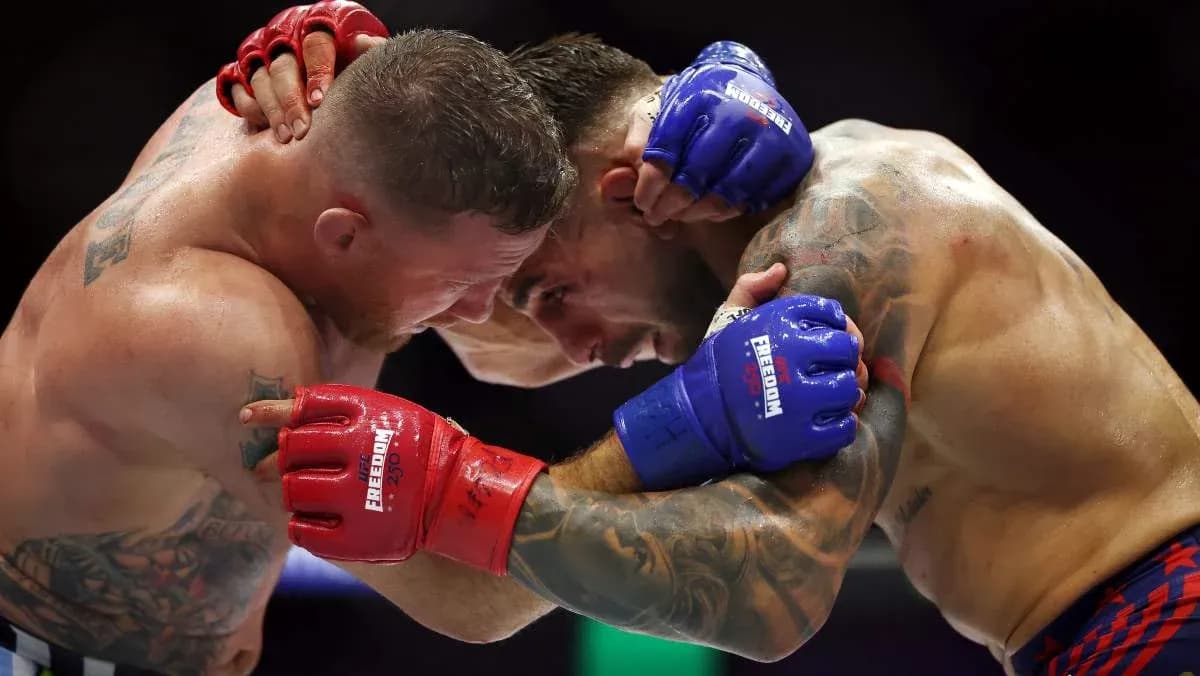
“You hit me, I hit you,” Woodley said. “Rock ’em, sock ’em. I’m bleeding, you’re bleeding. I almost die, you almost die. We hug at the end, raise each other’s hand. That’s the ‘best’ fight.”
That is the ideal in the UFC’s current economy: mutual destruction, maximum drama, both athletes leaving a piece of themselves on the canvas. The problem, as Woodley knows too well, is the bill that comes due.
“The cycle of the sport,” he explained, is brutal. Once the brawler’s body starts to fail, once the chin softens and the reflexes dull, there’s always a younger version waiting. Someone cheaper. Someone quieter. Someone just as willing to walk into the fire.
“As soon as they become a bag of bones and they become a little older, and there’s a younger fighter that’s willing to do it with less backtalk, willing to do it for less money, they’re going to be matched up with that person,” Woodley said. That’s when the same system that rewarded them for chaos starts feeding them to the next wave.
Nobody pretends this is just. Other sports at least pretend to be meritocracies. Win, and you stay. Lose, and you go. Simple enough.
In the UFC, the equation is more twisted. The fighter’s role is split: part warrior, part entertainer. Win too safely and you risk your job. Lose spectacularly and you might buy yourself another chance. Every athlete on the roster is trying to find that personal ratio—how much risk they can absorb, how much damage they can take, how wild they can make it—while still remembering that there’s life after the walkout music stops.
For Page, the calculation led him out of the promotion with his record intact and his brain cells relatively preserved, but his UFC chapter cut short. For Tuivasa, the calculation has meant seven straight losses and another trip into the fire at UFC 331.
The question now is how long a man can keep paying that price before the cheers stop being worth the cost.