UFC 331 Highlights: Chaos and Upsets in Los Angeles
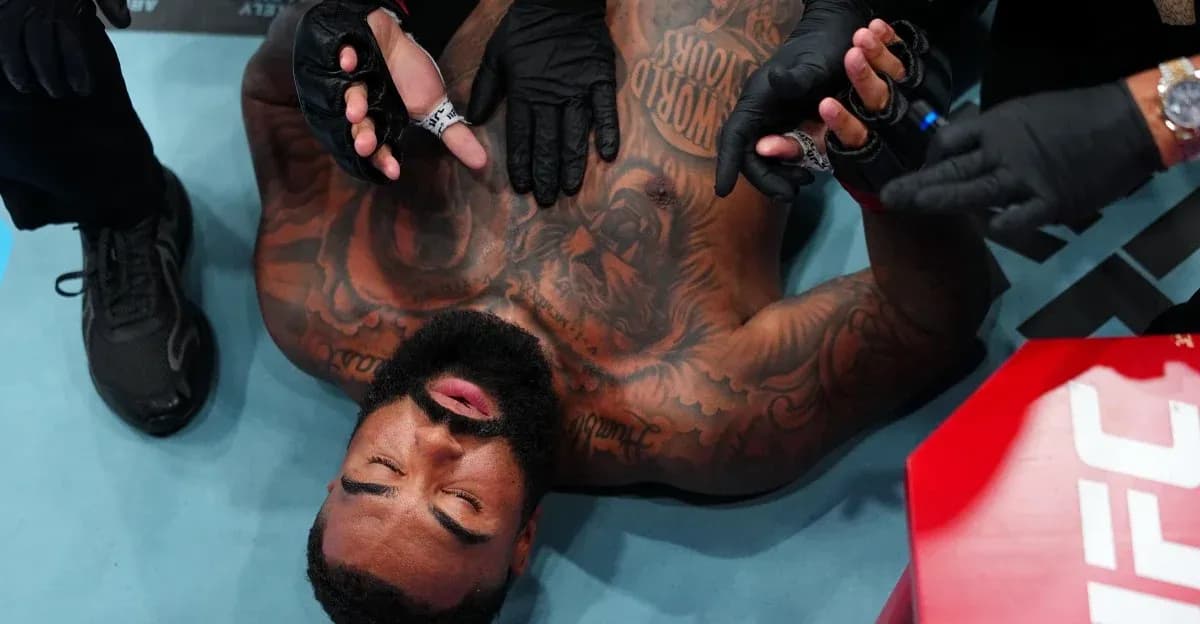
Under the bright lights of Los Angeles, UFC 331 delivered chaos, shock, and the kind of raw drama that leaves even legends stunned.
Jon Jones watches a giant fall
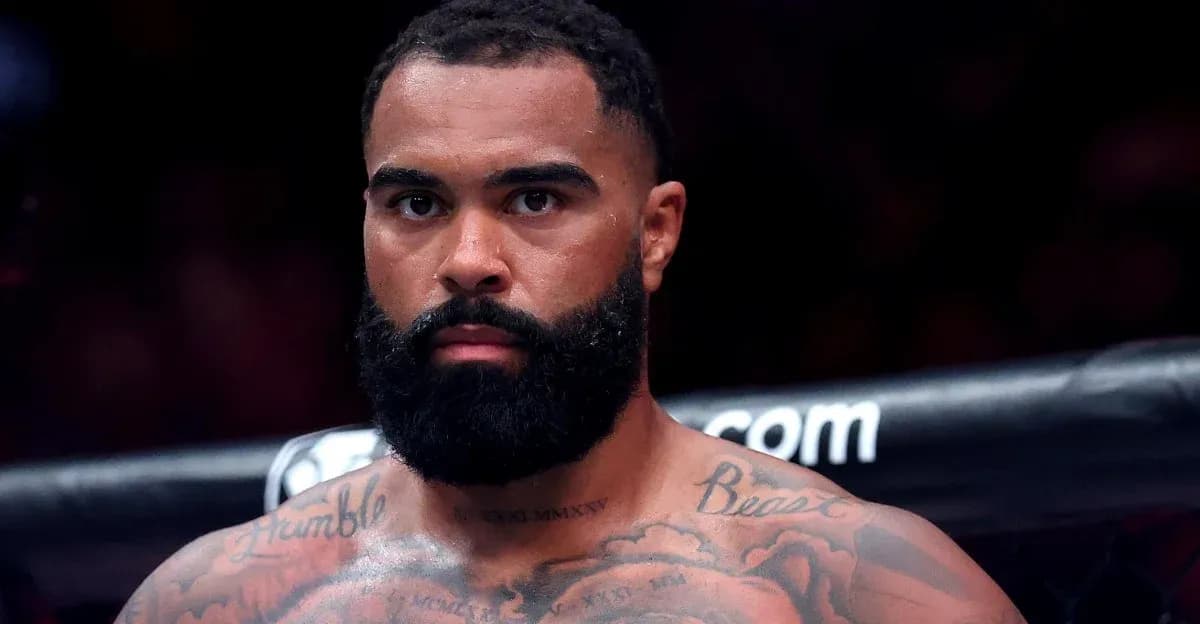
Gable Steveson walked into the Octagon carrying Olympic gold, heavyweight hype, and the weight of enormous expectations. He left it in 12 seconds.
Steveson suffered a stunning 12-second knockout loss that sent a jolt through the arena and rippled across social media. Cameras quickly cut to Jon Jones, and the former UFC champion’s reaction told the story better than any scorecard. Eyes wide, jaw dropped, he looked like a man who had just watched the sport flip one of its brightest prospects upside down in a single exchange.
No words were needed. The look said it all: in MMA, nobody is safe, not even the phenoms.
Menifield makes a statement
Earlier in the night, Alonzo Menifield added his own exclamation point to the card against Iwo Baraniewski.
Menifield, long known for his explosive power, wasted little time imposing himself. He stalked forward, cut off the cage, and forced Baraniewski into uncomfortable territory. When the opening appeared, Menifield didn’t hesitate. Heavy shots landed, and the momentum never swung back. The finish underlined what everyone already knew: when Menifield finds his range, opponents don’t get many second chances.
Vera vs. Jourdain: grit meets flair
Marlon Vera and Charles Jourdain offered a different kind of spectacle.
Vera brought his trademark steel—forward pressure, stubborn durability, and a willingness to walk through fire. Jourdain, all angles and creativity, tried to disrupt that march with movement and sharp combinations. The clash of styles produced the kind of fight that keeps fans locked in: Vera chipping away, Jourdain firing back with slick counters and bursts of offense.
Every exchange felt like a test of will as much as skill. It was less a sprint, more a slow burn, with both men forced to dig deep.
Gandra vs. Diaz: pace and punishment
Ryan Gandra and Osman Diaz delivered a high-tempo battle that never really settled.
From the opening horn, the pace spiked. Gandra pushed combinations and tried to dictate the rhythm, while Diaz answered with his own surges, refusing to be bullied. Scrambles, momentum swings, and constant pressure turned the bout into a grind. Each man had moments, each forced the other into uncomfortable spots.
By the end, both carried the marks of a fight that demanded everything.
O’Neill vs. Moura: a test of resolve
Casey O’Neill and Eduarda Moura stepped in with reputations built on relentlessness, and the fight reflected that.
O’Neill tried to assert herself with volume and pressure, the kind of approach that usually breaks opponents over time. Moura met that aggression head-on, answering with sharp responses and refusing to yield ground. Exchanges along the fence, clinch work, and gritty sequences on the mat turned the contest into a battle of small margins.
Every second felt like a negotiation of who would blink first.
Brito vs. Chikadze: power vs. precision
Joanderson Brito and Giga Chikadze brought serious striking pedigree to the Octagon, and the tension was obvious from the start.
Chikadze, a technician with his kicks and timing, tried to keep the fight at his preferred range. Brito had other ideas. He closed distance, forced collisions, and made the fight more rugged than clean. When Brito found his moments, he made them count, turning technical exchanges into bruising encounters.
The matchup showcased the thin line between control and chaos at elite level.
By the time the dust settled on UFC 331, the card had produced highlight-reel finishes, grueling wars, and one seismic upset that left Jon Jones staring in disbelief. One night in Los Angeles, and the heavyweight landscape—and perhaps Steveson’s entire trajectory—suddenly looks very different.