UEFA Champions League Finals and Nations League Changes
Thessaloniki became European football’s control room for a day as UEFA’s Executive Committee signed off on a series of decisions that will shape the continent’s showpiece nights for the rest of the decade – and quietly rewired the Nations League along the way.
Munich and Barcelona get the biggest nights back
The headline call landed where it usually does: the men’s UEFA Champions League final.
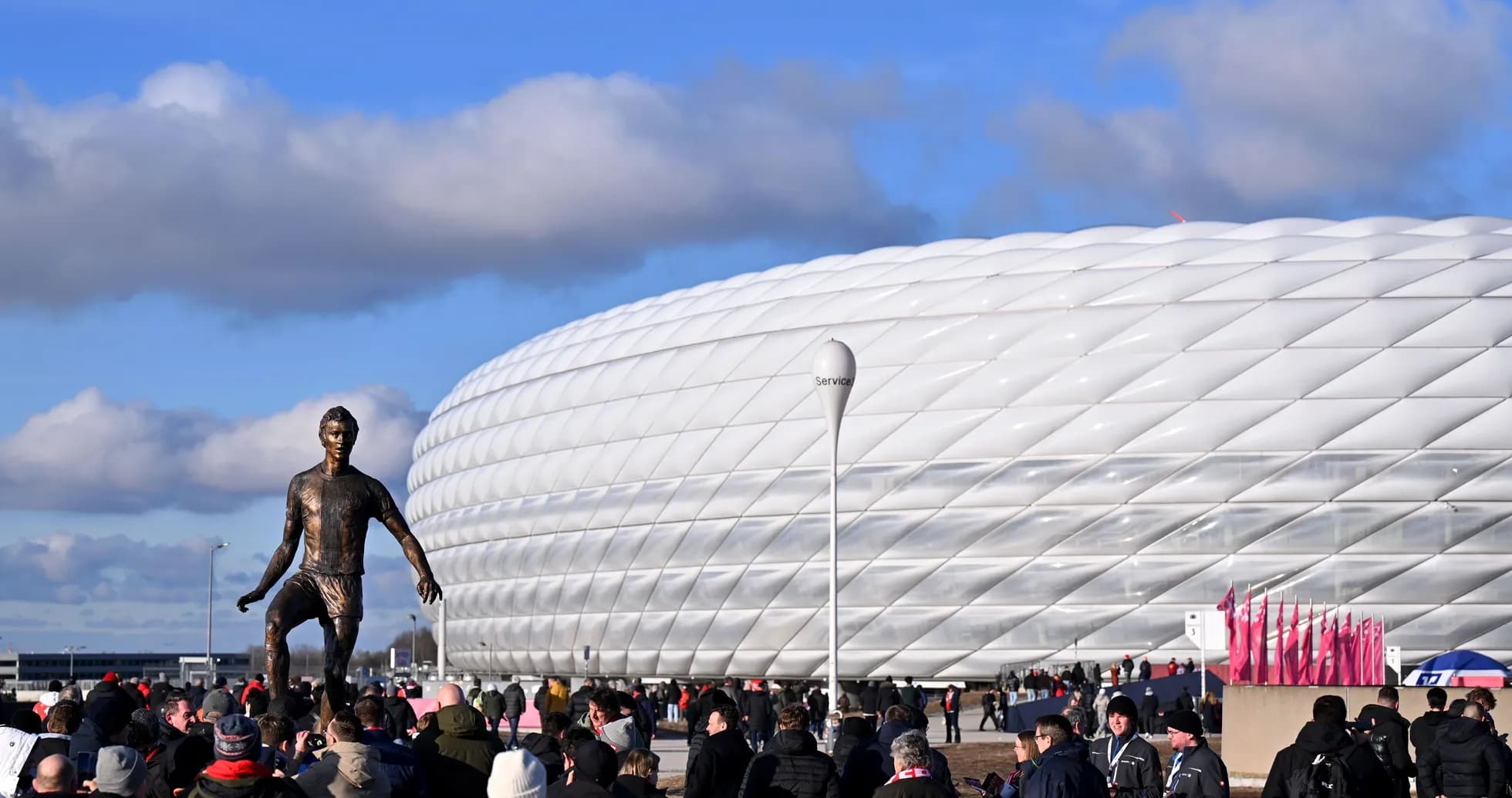
In 2028, the competition’s greatest stage returns to the Munich Arena. Bayern Munich’s home, scene of the dramatic 2012 final, will again host club football’s most coveted match, bringing the trophy back to a stadium that has already lived one of the competition’s defining nights.
One year later, in 2029, the final heads to a reborn giant. The new Spotify Camp Nou in Barcelona will host its first European final in its revamped form, reclaiming its status as the largest stadium in Europe. It will be the ground’s first Champions League decider since 1999, when it staged one of the most famous endings in the competition’s history. The new era of the venue will be christened by the old magic of a European final.
Europa League and Conference League spread the spotlight
UEFA’s other club competitions also received their roadmaps.
The Europa League final will go to Bucharest in 2028, with the National Arena chosen to stage the second-tier showpiece. In 2029, the baton passes to Belgrade, where the Serbia National Stadium will take its turn in the continental spotlight, a statement of intent for a venue and a football nation eager for bigger stages.
The Europa Conference League continues its role as a travelling showcase. In 2028, the final will be played at the Juventus Stadium in Turin, a compact, purpose-built arena that has already proven itself on big European nights. In 2029, the competition moves to Budapest’s Puskas Arena, a modern cathedral of football that has quickly become a regular stop on UEFA’s major-events circuit.
Women’s game and Super Cup step into prime venues
The women’s calendar received equal attention.
The UEFA Women’s Champions League final will head to Lyon in 2028, with Parc Olympique Lyonnais in Lyon Decines – home to one of the most dominant clubs in the women’s game – providing a fitting backdrop. A year later, in 2029, the showpiece travels to Cardiff, with the Wales National Stadium set to host the final and bring elite women’s club football back to the Welsh capital.
The UEFA Super Cup, the traditional curtain-raiser to the men’s club season, also changes scenery. The Johan Cruyff Arena in Amsterdam will stage the 2027 edition, a natural choice for a city steeped in European football history. In 2028, the game takes a more adventurous turn: Astana Arena in Astana, Kazakhstan, has been awarded hosting rights, a clear signal of UEFA’s intent to push the event further east and broaden its reach.
UEFA also confirmed the destination for the UEFA Futsal Champions League final in 2027, with the Biel/Bienne Arena in Switzerland set to host the decisive weekend of the indoor game’s top club competition.
Nations League: promotion, relegation and a new shape
Away from stadium announcements, the most significant structural decision arrived in the form of a Nations League reboot.
For the 2026/27 edition, UEFA’s Executive Committee approved a change to the promotion and relegation system. The adjustment is designed as a bridge to a more radical shift already on the horizon: from the 2028/29 season, the Nations League will move from four groups to three.
That reduction in groups is aimed at tightening the field and raising the stakes of each match. Fewer groups mean fewer soft landings. Every point, every tier, every promotion and relegation battle becomes sharper. The new promotion-relegation tweak is there to smooth the transition, so that by the time the three-group format arrives, the competition’s hierarchy is already aligned.
Next stop: Belfast
UEFA closed its Thessaloniki meeting by fixing the date and place for its next round of decisions. The Executive Committee will reconvene in Belfast, Northern Ireland, on 7 December, the day after the Euro 2028 qualifying draw takes place in the same city.
By then, the venues will be set, the calendars locked in, and the questions will shift from where Europe’s biggest nights will be played to who will be ready to own them.