Tyson Fury vs Anthony Joshua: Cardiff's Late-Night Fight
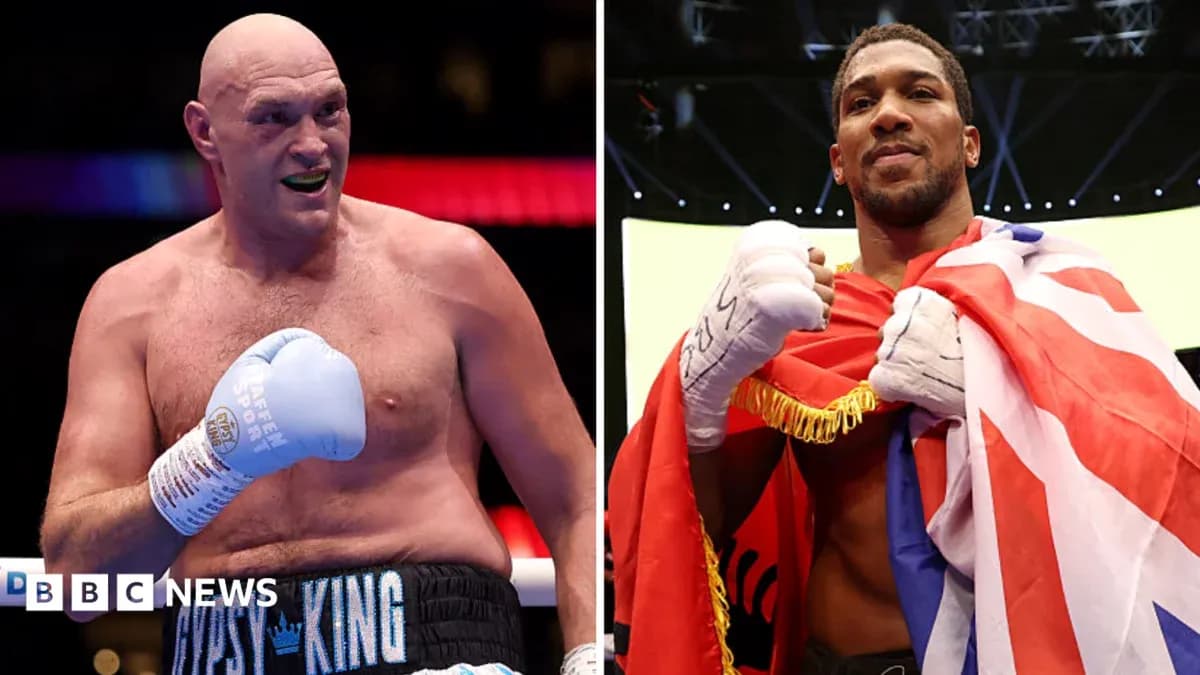
Cardiff has waited years for a night like this. Tyson Fury against Anthony Joshua. Heavyweight, all-British, undisputed bragging rights on the line under the closed roof of the Principality Stadium.
But for thousands of people who live in its shadow, the biggest problem is not who wins. It’s what time everyone goes home.
A 3am Finish for America’s Prime Time
The fight is scheduled for 11 December in Cardiff, with the event expected to run until 03:00 GMT on 12 December so the main action lands in prime-time television hours in the United States.
To make that work, the Principality Stadium has applied to extend its licensing hours. It wants permission to keep selling alcohol and playing music until 03:00, and to keep the venue open until 03:30. Under normal rules, when the roof is closed, the stadium operates a 01:00 curfew.
For broadcasters and promoters, the late finish is a commercial necessity. For some of the stadium’s closest neighbours, it sounds like a long, noisy ordeal.
Residents Push Back: “Absolute Chaos”
Cardiff Council’s licensing subcommittee will meet on 25 November to decide whether to grant the extended hours. Ahead of that hearing, the council has received a flurry of written representations – some backing the plan, others urging councillors to block it.
One resident who lives directly opposite the stadium struck a careful balance. They support the fight going ahead, they said, but only with tougher conditions “to protect residents living immediately around the stadium”.
Their concerns centre on “the prevention of public nuisance and the prevention of crime and disorder”. They want a detailed dispersal plan for the streets around the venue, stewards kept in place until crowds have cleared, a ban on amplified music outside the stadium after midnight, and a guarantee that street-cleaning is finished by 08:00 on 12 December.
Not everyone tried to meet the event halfway.
Three other residents wrote to the council calling for the application to be rejected outright. One warned that “noise and late-night disturbance” would not end when the final bell rings.
“Music, amplified sound, large crowds, shouting, vehicles, taxis and people leaving the stadium can all result in disturbance continuing well into the early morning,” they said.
Another resident, with young children, was blunter still. Letting the event run into the early hours would “cause absolute chaos for those of us living right next to it”, they wrote, painting a picture of “shouting and singing” in the small hours that would “completely wake the whole house up and leave us with exhausted, stressed children”.
For families in the city centre, the biggest heavyweight on the card may be sleep.
Economic Lift vs Local Disruption
Not all of the postbag was hostile. Some residents and stakeholders urged the council to back the stadium’s bid, arguing the city stands to gain far more than a broken night’s rest.
One supporter said the fight would deliver a “significant economic boost” for local businesses, as thousands of fans pour into the city centre bars, restaurants and hotels. Another suggested the bout could help draw more tourists to Cardiff, particularly from the United States, giving the Welsh capital a rare global showcase.
That tension – between a landmark sporting occasion and the strain it places on people who live within earshot – is familiar to any city that hosts major events. In Cardiff, it’s amplified by the stadium’s greatest strength and its biggest complication: location.
The Principality sits in the heart of the city centre, a stone’s throw from pubs, clubs and the train station. It is a dream for promoters and visiting supporters. It is also surrounded by residential properties.
Why Cardiff, Why This Late?
When Fury v Joshua was first floated, a string of venues lined up to host it. New York’s Madison Square Garden was in the conversation. A global fight, a global stage.
The picture changed when Joshua and his promoter, Eddie Hearn, stood firm on their contractual right to stage the fight on British soil. The bout had to come home.
Wembley Stadium quickly emerged as a natural option. London Mayor Sadiq Khan publicly urged promoters to bring the fight to the capital. But Wembley’s strict 23:00 event curfew clashed with Netflix’s preference to broadcast the show during prime-time hours in the US. The timings simply did not fit.
Cardiff, by contrast, has form. The Principality has already shown it can bend the clock for American television. In 2007, Joe Calzaghe’s super-middleweight unification fight with Mikkel Kessler did not start until 02:00 local time to satisfy US network Showtime. The city’s transport, policing and crowd-management systems have all been stress-tested by late-night boxing before.
That precedent gives promoters confidence. It also sharpens the focus on what another early-hours finish would mean for today’s residents, more than a decade on.
The Legal Battleground
The stadium’s application to vary its licence has been submitted under the Licensing Act 2003, triggering a 28-day consultation period. During that window, anyone can make representations either supporting or objecting to the plans – but only on specific grounds: prevention of crime and disorder, public safety, public nuisance, and protection of children from harm.
Once objections land, the council’s licensing subcommittee is obliged to sit and hear them. It holds real power. After listening to residents, police, the stadium and any other relevant bodies, the panel “may modify the conditions of the licence or reject the whole or part of the application”.
That could mean signing off the late finish as requested, imposing extra conditions to protect locals, trimming back the proposed hours – or, in the most dramatic scenario, blocking the extension entirely.
The Principality Stadium has been asked to comment. For now, its case rests in the paperwork and the promise of a night that would put Cardiff at the centre of the boxing world.
On 11 December, Fury and Joshua are supposed to settle years of arguments under the lights. Before that, in a quieter council chamber across the city, another decision will shape how that night feels – not for the millions watching on screen, but for the people trying to sleep just across the street.