Tottenham Hotspur Stadium Remains Unbranded
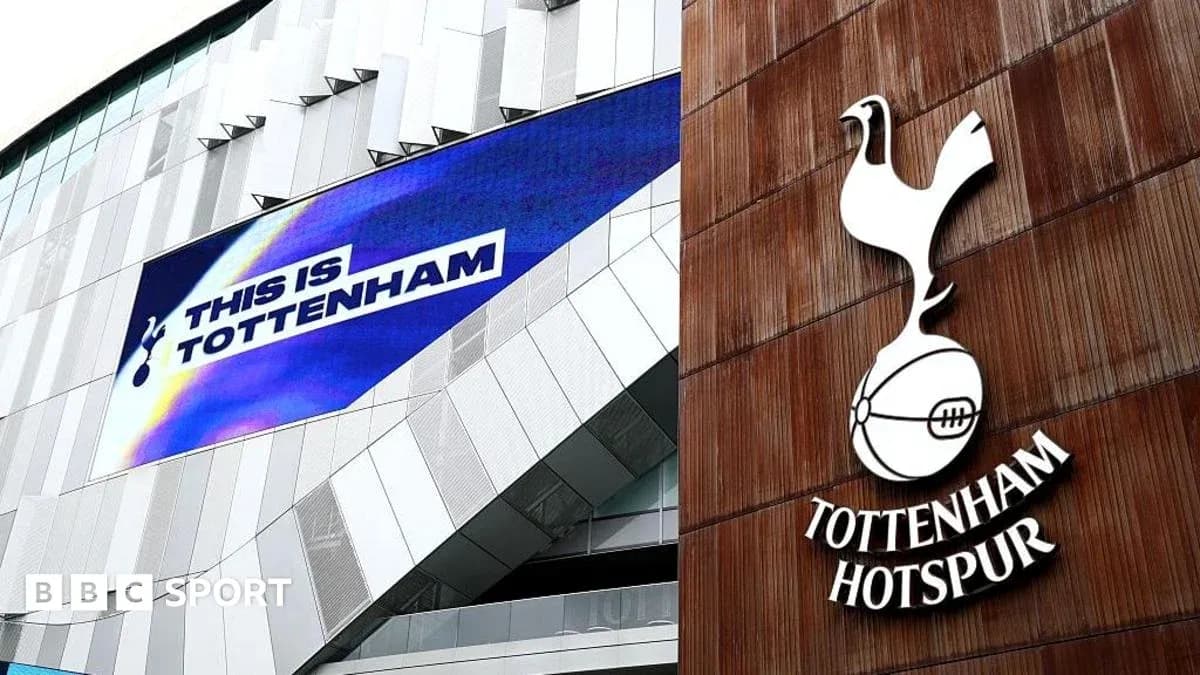
In an era when stadium names read like rolling adverts, one of English football’s most striking arenas still carries only the club’s own badge.
Tottenham Hotspur Stadium opened its doors in 2019 with a deliberately neutral title, widely seen as a placeholder until a lucrative naming-rights deal dropped. Seven seasons on, the placeholder has become the identity. No brand. No airline. No bank. Just Tottenham Hotspur Stadium.
Across the Premier League, it’s an outlier. Eight of the 20 clubs play in grounds carrying commercial names – Arsenal at Emirates Stadium, Manchester City at Etihad Stadium, and others who have long since traded pure tradition for sponsorship revenue. Tottenham, despite owning one of the most modern, multi-purpose venues in Europe, have yet to join them.
It’s not for lack of trying, nor lack of value. The north London arena has grown into one of the country’s premier event hubs, hosting concerts, NFL games and major non-football events alongside Spurs’ home fixtures. The club has the rights to stage up to 30 such events a year, a significant bargaining chip when pitching to global brands.
Tottenham are clear about the stakes. A club spokesperson told BBC Sport that increasing revenues through commercial partnerships is “crucial” if they are to stay competitive while remaining within financial regulations. In the current landscape, naming rights are not a luxury; they are a weapon in the arms race.
The message from the boardroom is that a stadium sponsor remains firmly on the table, framed as a “key part of the wider suite of opportunities available to potential partners.” Those extra dates on the calendar – the concerts, the NFL weekends, the non-football spectacles – all help to push up the price and appeal of any future deal.
Yet the deal has not arrived. No significant progress has been made on securing a naming-rights partner, and the club admits the market is fierce. Tottenham are jostling with a cluster of elite sides all chasing the same global money, all promising exposure, prestige and matchday theatre.
The stance from Spurs is deliberately selective. They insist they will only work with “the most-respected, renowned brands” that fit their values and enhance the fan experience, not simply the highest bidder. That filters the field. It also prolongs the wait.
While the stadium name stays untouched, Tottenham have moved to unlock fresh revenue inside the ground itself. The club has launched “The Collective”, a new sponsorship programme designed to deliver bespoke activations in every stand at Tottenham Hotspur Stadium. Sports Illustrated has signed on as the first partner in that scheme, an early sign of how Spurs intend to carve up and monetise the matchday environment even without a headline stadium sponsor.
So the giant steel and glass structure on the High Road keeps its clean, corporate-free title, an anomaly in a league increasingly wrapped in branding. The question is not whether Tottenham will eventually sell the name. It’s how long they are prepared to wait for a badge on the roof that matches their ambition off the pitch.