
Tottenham's Long Wait for Four Consecutive Wins
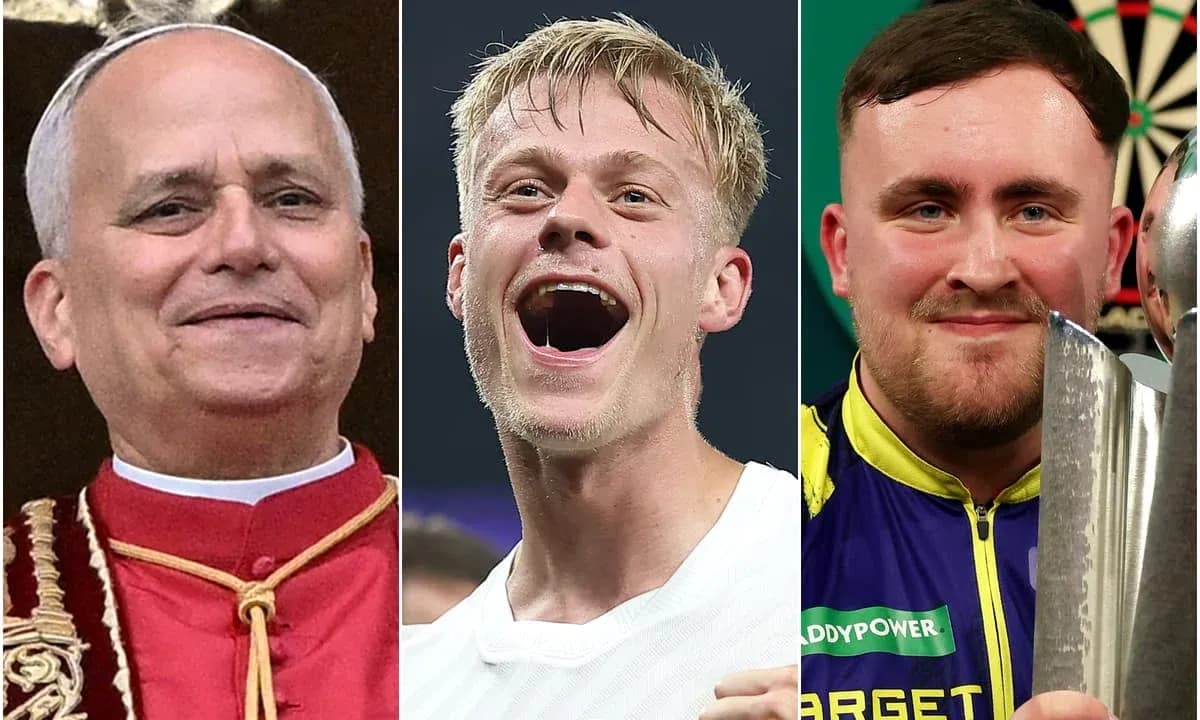
It has taken Tottenham 1,108 days to get back to this brink.
Four straight Premier League wins. It sounds routine for an elite club, the sort of run that oils a title challenge or locks in a top‑four finish. For Spurs, it has become a marker in time. A line between the early hope of Ange Postecoglou’s tenure and the chaos that followed.
This weekend at Elland Road, against Leeds, they have the chance to finally stitch four victories together again. The last time they did it, the mood around the club could not have been more different.
From Ange’s charge to a long, hard fall
Roll back to the opening months of Postecoglou’s reign in 2023. Tottenham were flying. Eight wins from their first 10 league fixtures, five points clear at the top, and all of it after the summer sale of Harry Kane to Bayern Munich.
They rattled off sequences of three wins in a row either side of a north London derby draw. The football was bold, the stadium alive, the Premier League table a weekly reminder that Spurs were suddenly fun and fearless again. Talk of a title tilt came early; talk of a rebuild being ahead of schedule came even earlier.
They did not stay the course, slipping to a fifth‑place finish by season’s end. But those early months under Postecoglou set a standard. High tempo, high risk, high belief. The idea of Spurs going three years without stringing four wins together would have sounded absurd.
Then the years rolled on.
A club turned inside out
The biggest jolt came off the pitch. In September 2025, Daniel Levy stepped down as executive chairman, closing a 25‑year chapter that had defined the modern Tottenham. His exit was framed as a reset.
Non‑executive chairman Peter Charrington spoke of “a new era of leadership for the club”. What followed was anything but a new era of stability.
Spurs lurched into their worst Premier League season in history, flirting with disaster right until the final whistle of the final day. They stayed up by a single goal, a nervy 1-0 win over Everton at home just about keeping the trapdoor shut.
The irony was brutal. Only a year earlier, Tottenham had finally broken their trophy drought.
From Europa League glory to the brink
After 17 years without a major trophy, Spurs lifted the Europa League, beating Manchester United in Bilbao. It should have been the moment that reset the club’s reputation, the night that allowed them to stop joking about “nearly” and start talking about “again”.
Sixteen days later, Postecoglou was gone.
The decision to sack the Australian so soon after a European triumph sent shockwaves through the fanbase and raised eyebrows across the game. The gamble, the club insisted, was about long‑term direction. The season that followed turned into a cautionary tale.
Thomas Frank arrived as the chosen successor, tasked with turning European momentum into domestic consistency. By February 2026 he was out, Spurs hovering over the relegation zone and looking less like a project and more like a warning.
Igor Tudor stepped in next. He lasted 44 days.
Panic set in. Roberto De Zerbi came through the door as the third manager in 10 months, charged with one job: keep Tottenham in the Premier League. He did it, but only just, with loanee Joao Palhinha’s crucial goal in that fraught win over Everton preserving top‑flight status by the narrowest of margins.
From Europa League winners to relegation battlers in a year. From talk of a platform to talk of survival. All while the club still could not piece together four straight league victories.
London swings, and Spurs wobble
Across the capital, West Ham offered a grim mirror. Within three years, the Hammers went from the joy of winning the Conference League to relegation to the Championship.
Poor recruitment, churn in the dugout, uncertainty at ownership level – the slide was steady, then sudden. Fourteen seasons in the top flight ended with a drop back to the second tier. For Spurs, watching a rival fall while they themselves peered over the edge only sharpened the sense of how fragile Premier League status can become when a club loses its bearings.
Tottenham avoided that fate. Barely. The scars of that season still frame everything that follows.
A changing world beyond N17
While Spurs wrestled with their own identity, the wider world shifted.
In May 2025, Cardinal Robert Francis Prevost became Pope Leo XIV, the 267th Pope of the Catholic Church. He is said to favour Real Madrid, yet he found himself linked to English football in a different way when Sunderland presented him with a shirt bearing “Pope Leo, 14” on the back ahead of their Europa League campaign – a gesture echoing the gift once given to Pope Francis before Sunderland’s derby win over Newcastle in 2013.
Across the Atlantic, Donald Trump returned to the White House in November 2024, defeating Democratic candidate and former vice-president Kamala Harris to secure a second term as US President. It came four years after he had lost the 2020 election to Joe Biden, bringing a remarkable political comeback full circle.
In the UK, the political carousel spun just as wildly. The Labour Party returned to power after 14 years when Sir Keir Starmer won a landslide in July 2024. Two years later, in July 2026, he resigned and Andy Burnham stepped in as Prime Minister. Five Prime Ministers in five years; a churn of leadership that would not look out of place in a Premier League boardroom.
New kings and farewells in sport
Elsewhere in sport, a new generation pushed through as giants stepped away.
In darts, Luke Littler exploded into public consciousness at just 16, storming to the World Championship final on his debut at Alexandra Palace in January 2024. He did not fade. He became a back‑to‑back world champion while still a teenager, establishing himself as the outstanding player on the planet and one of the brightest stars in British sport.
On the track, Kimi Antonelli rewrote Formula One history. At 20 years and 68 days, he clinched the 2026 world title with a third‑place finish at the Mexico City Grand Prix, becoming the youngest F1 world champion ever. His season was littered with landmarks: the youngest winner of the Monaco Grand Prix, the youngest driver to record a Grand Slam, and the first Italian world champion in more than 60 years.
Tennis, by contrast, said goodbye. Sir Andy Murray retired in August 2024, taking with him two Wimbledon titles and a career built on defiance. Rafael Nadal followed in October the same year, his 22 Grand Slam titles and Roland Garros dominance finally yielding to time. With Roger Federer already gone since 2022, Novak Djokovic stood alone as the last active member of the sport’s defining ‘Big Four’ era.
Boxing continued to orbit around Tyson Fury’s retirement announcements. His fourth pledge to walk away, made last year, fooled few. By April 2026 he was back again, beating Arslanbek Makhmudov by unanimous decision on his return. He then defeated Mariusz Wach in Thailand and now gears up for a blockbuster showdown with Anthony Joshua in Cardiff in December, a fight that still carries the weight of an era-defining clash.
Back to Spurs, and the weight of four wins
All of that has happened since Tottenham last managed to win four Premier League games in a row.
Popes have changed. Prime Ministers have come and gone. Political eras have turned over. Teenagers have become world champions. Icons have retired. Rivals have fallen.
Spurs, in that same span, have lifted a European trophy, sacked the manager who delivered it, burned through successors, almost fallen through the trapdoor, and watched their long‑serving chairman step aside.
Now they arrive at Elland Road with a simple, stubborn milestone in front of them: four on the spin. It is only a run of results. It is also a test of whether this latest version of Tottenham can finally turn flickers of form into something more solid.
Three years is a long time in football. Spurs are about to show whether they have learned anything from living through every minute of it.





