
Tenerife Coach Reflects on Jesús Owono's Suspension and Team's Grief
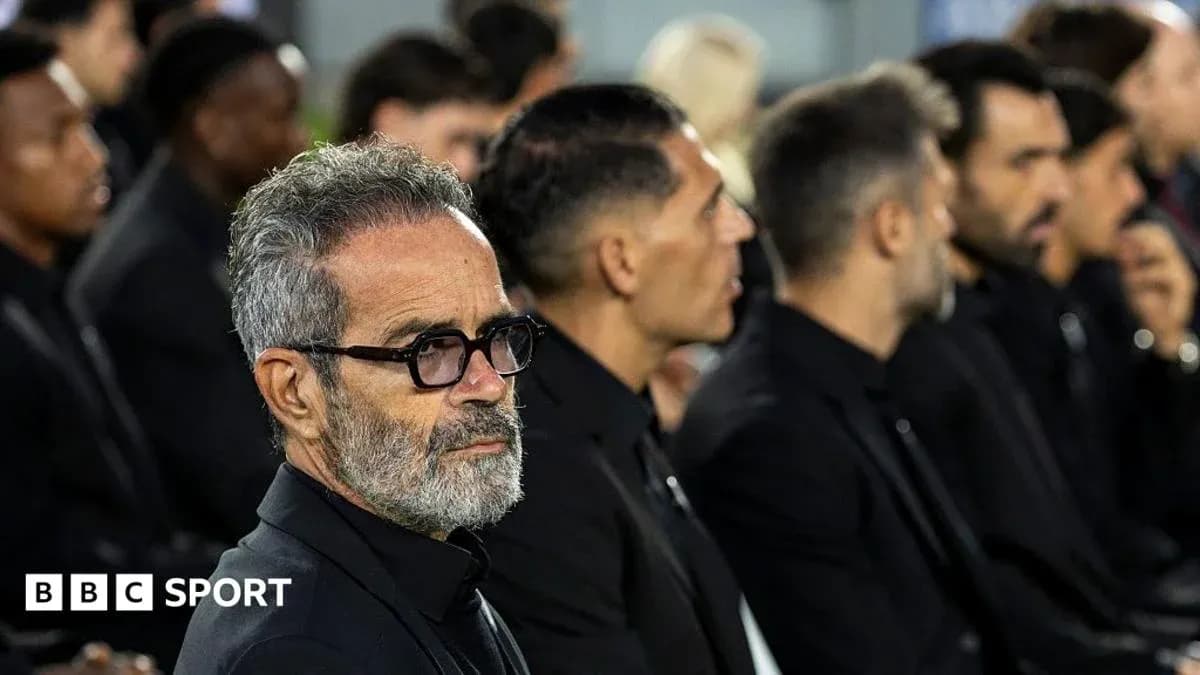
Tenerife head coach Álvaro Cervera did not try to dress it up. A 12‑match ban for FC Andorra goalkeeper Jesús Owono, he admitted, “might feel light” in the shadow of a player’s death. But in his view, Spanish football’s rulebook simply was not built for a tragedy like this.
Owono, 25, was sent off on 2 November after a late collision with Tenerife forward Jesús de Miguel in a Segunda División match between the two clubs. De Miguel, 30, died the following day. On Friday, the disciplinary committee of the Spanish football federation confirmed a 12-game suspension for the Andorra keeper – the maximum sanction available under current regulations.
The committee could only judge the incident as a sporting offence, not as an act linked to a fatal outcome. Their decision, they stressed, had to rest “on the facts expressly recorded in the referee’s report”, which stated that Owono “was sent off for violently striking an opponent in the chest with his leg, using excessive force, while the ball was in play”.
For many, that legal framing jars with the human cost. Cervera understands the dissonance, but he also recognises the limits of the system.
“I think that, just as in other areas of life, there are rules or laws that must be followed,” he said before Tenerife’s match against Ceuta on Sunday, the team’s first outing since De Miguel’s death. “Since the current regulations don’t specifically account for what happened, I believe they have simply adhered to the rules and imposed the number of matches permitted by the regulations.
“Anything else I might say would just be my own personal opinion, which I’ll keep to myself. It might seem a bit light when compared to other cases, but in reality, I don’t think the rules allow for anything else.”
The contrast is stark: a codified maximum ban on one side, a grieving dressing room on the other.
Cervera, 61, described the return to daily work as “tough” and “complicated”. The training ground has become both a refuge and a reminder.
“When we’re together, we’re fine, during our sessions, we’re doing well,” he said. “It feels like the group is gradually getting back to normal. What we don’t know is how everyone is doing when we’re apart and that’s a significant factor.”
The coach spoke about a squad processing the same event in very different ways. Some players go home to family and support. Others close the door and sit with their thoughts.
“Everyone has their own way of coping and their own thoughts; some have people at home to support them, while others are more on their own,” he added. “We’re making progress, a very slow process, but we are moving forward – it’s tough, it’s complicated.”
Even the act of playing again divides opinion inside the camp. For some, the pitch offers a brief escape. For others, it feels like an intrusion.
“He also said that he was not sure whether his players were ready to return to playing, describing how some would appreciate a distraction and others will not be in the right frame of mind yet,” the club relayed. Cervera framed both reactions as equally valid.
“Both positions are reasonable,” he said. “On one hand, you want to return to some sense of normality though you know that true normality isn’t something you’ll find right now.
“This isn’t something you can just set aside or push to the back of your mind to focus on your own work; it’s not like other life events you might encounter. It’s always there, constantly on your mind, yet we have to keep going.”
The regulations have spoken on Owono. For Tenerife, the harder task now lies beyond any committee room: finding a way to compete again with a loss that no suspension can ever balance.





