Team USA’s World Cup Win Signals Growth in Women’s Basketball
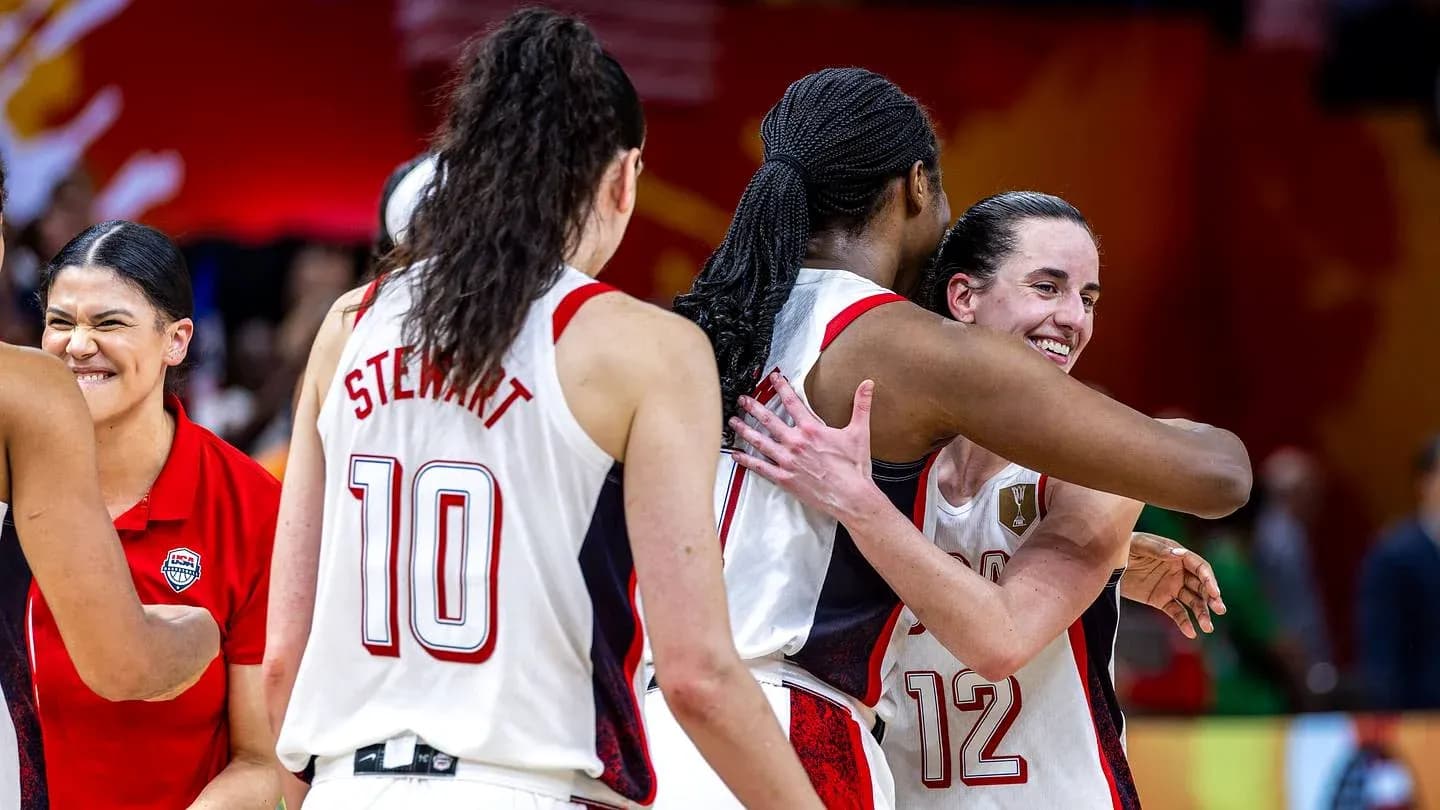
On a weekend when American sports fans were drowning in football, a different kind of powerhouse still forced its way onto screens.
Team USA’s 97–79 win over France in the FIBA Women’s World Cup final drew an average of 1.2 million viewers across HBO Max, TNT and truTV. That number doesn’t just look good on a press release. It explodes off the page: up 158% from the 2022 final and an eye-watering 750% jump from the 2018 edition.
For a women’s basketball game tipping off in the teeth of the NFL’s opening Sunday, that’s not noise. That’s a signal.
A Final That Fought for Oxygen
The timing could hardly have been worse.
While USA and France battled for gold, Week 1 of the NFL regular season rolled on — the single most dominant TV product in American sports. At the same time, the U.S. Open men’s final featured American Ben Shelton, siphoning away yet more eyeballs.
Under those conditions, many executives would quietly brace for a ratings dip and hope to survive the afternoon.
Instead, the final still became the third most-watched game in FIBA Women’s World Cup history.
The semifinal told a similar story. USA’s showdown with Spain on Saturday averaged 938,000 viewers, good for the fourth most-watched game the tournament has ever seen. No NFL that day, but a wall of college football kicked off across the country, swallowing up time slots and sports bars alike.
The audience showed up anyway.
Group Stage Surge Sets the Tone
Here’s the twist: the only two games to outdraw the USA–France final came earlier in the tournament, when the stakes were technically lower.
Team USA’s near-upset scare against Italy pulled in 1.3 million average viewers. Their final group-stage clash with Czechia matched the final’s 1.2 million. In a tournament usually overshadowed until the medal rounds, the early noise was deafening.
Those numbers don’t follow the usual script. Knockout games are supposed to build, not trail, the group stage. But the schedule wrote its own story. The biggest matches collided head-on with America’s autumn rituals: the NFL and college football.
Several media voices didn’t hide their irritation. The sport finally had a product ready to explode, and its showcase games were slotted against the most unforgiving competition on the calendar. The sense lingered that the World Cup left ratings on the table.
Yet even with that headwind, the trend line is unmistakable. The women’s game isn’t just growing — it’s accelerating.
Star Power That Cuts Through the Noise
These numbers don’t happen by accident. They follow faces, names, and storylines.
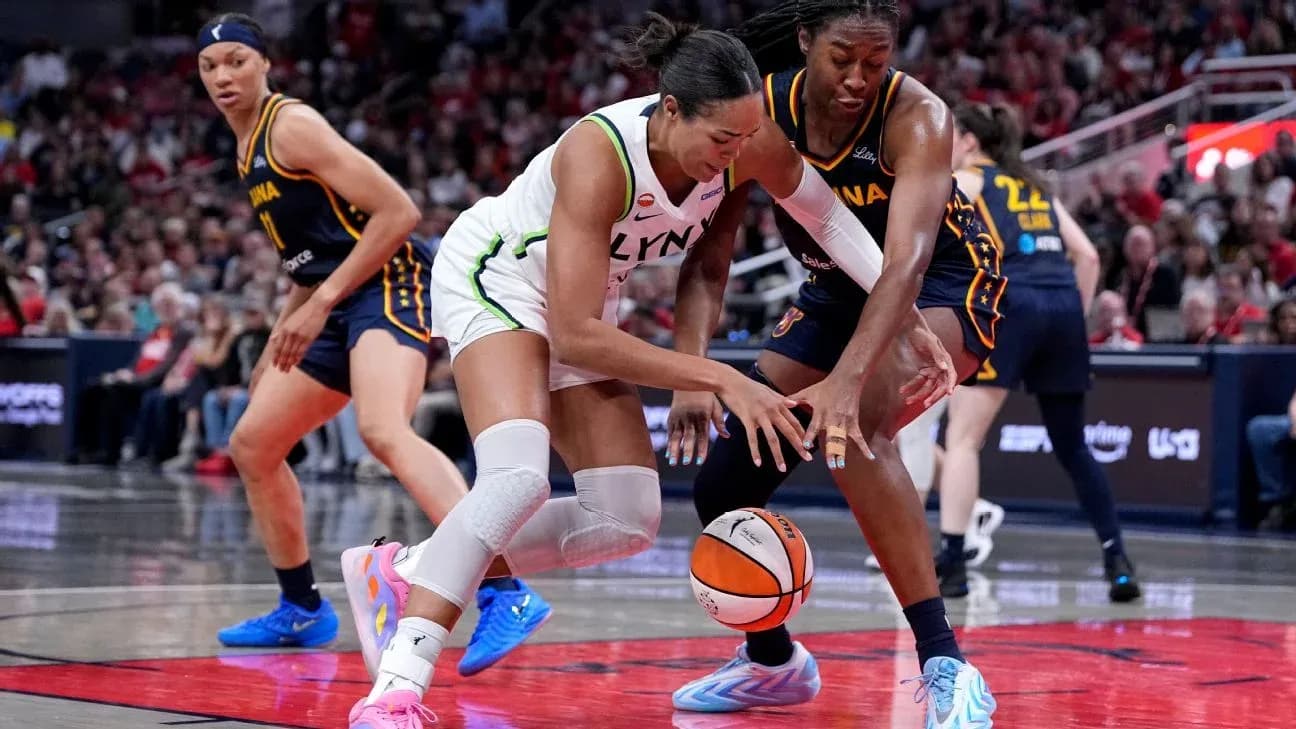
Caitlin Clark sits at the center of it all, the headline act in a generation that refuses to wait its turn. Paige Bueckers and Angel Reese are right there with her, each carrying their own gravitational pull. Together, they’ve turned a national team tournament into appointment viewing for fans who, not long ago, might not have known when the World Cup was even being played.
This World Cup felt like a preview, not a peak. A taste of what happens when the most marketable young stars in the sport wear USA across their chests and step onto a global stage — even when that stage has to share the spotlight with the NFL and college football Saturdays.
The numbers tell the story plainly: averaging well over a million viewers in the middle of an NFL Sunday is no fluke. It’s a statement about where women’s basketball now sits in the American sports hierarchy.
The next logical question isn’t whether the audience will come back.
It’s what those numbers will look like when this core hits the Paris 2028 Olympics with a clean runway and the world fully locked in.