Team USA Dominates France to Extend World Cup Dynasty
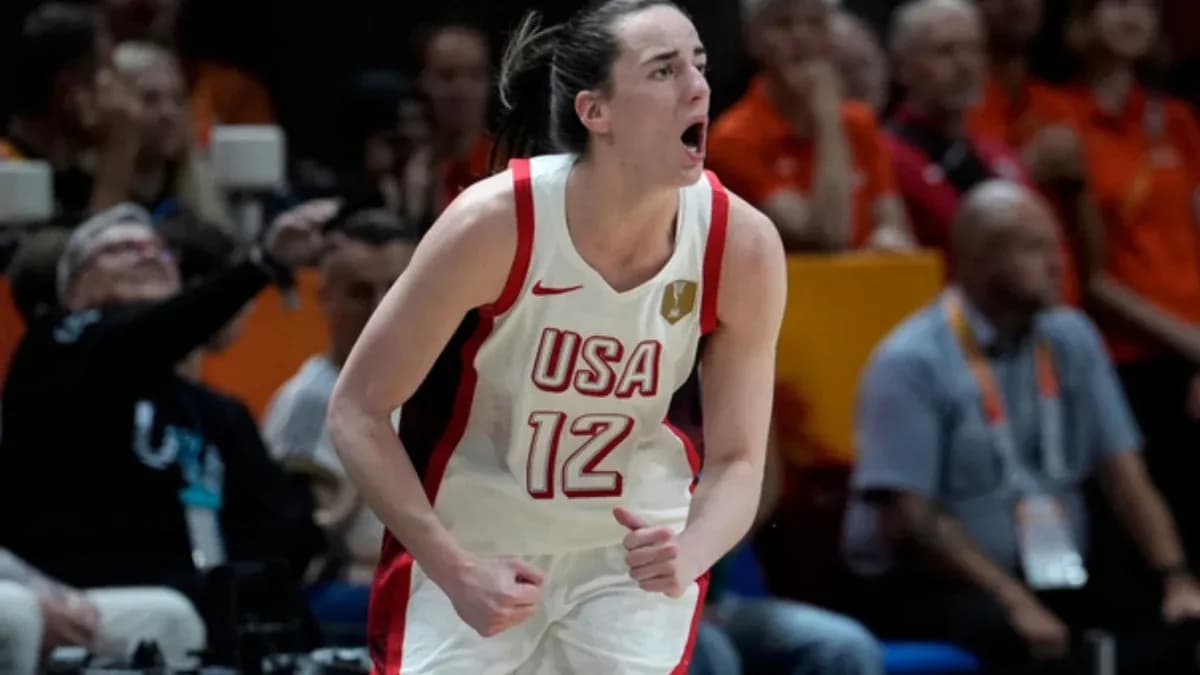
Team USA did not just win another world title. It tightened its grip on an era.
With Breanna Stewart pouring in 22 points and Jackie Young slicing through France for 18 more, the United States overpowered France 97-79 on Sunday to claim a fifth straight FIBA Women’s Basketball World Cup crown and a 12th overall. Another final, another gold, another reminder that in women’s basketball, the road to the top still runs through the Americans.
This was dominance with history attached. The victory pushed Team USA’s World Cup winning streak to 36 games, a run that stretches all the way back to the semifinals in 2006, when Russia handed them their last defeat in this competition. Since that night, the Americans have turned every World Cup into a rolling statement of control.
They save their sharpest edge for the biggest stage. After finishing second in 1983 to the Soviet Union, the U.S. has now won nine consecutive World Cup finals. Gold-medal games used to be occasions of uncertainty. Now they feel like coronations.
France arrived believing it could spoil that script. Just weeks removed from pushing the U.S. to the brink in the 2024 Paris Olympic final — losing by a single point in front of a stunned home crowd — the French team carried the look of a challenger that had seen behind the curtain. They knew the standard. They had nearly cracked it.
They left with silver and a hollow taste.
France’s best-ever finish at a Women’s World Cup should read like a breakthrough, and in many ways it is. Dominique Malonga was fearless, attacking and finishing her way to 21 points. Gabby Williams, as relentless as ever, added 20 and refused to let the scoreline dictate her intensity. Together, they kept France swinging, even as the American lead hardened.
But the pressure finally told.
Every time France threatened to close the gap, the U.S. found another gear. Stewart’s scoring gave the Americans a steady heartbeat, while Young’s 18 points arrived like body blows, sapping French resistance. Possession after possession, the reigning champions leaned on their depth, their experience, and their understanding of these moments. France could match their courage. It could not match their answers.
The result was a familiar scene: the United States standing on the podium’s top step, another trophy in hand, another era-defining statistic added to an already swollen list. Five straight World Cups. Thirty-six consecutive wins. Nine gold-medal games in a row without a misstep.
Dynasties in sport rarely last this long. They fracture, they fade, they get caught. This one keeps renewing itself.
France walks away with proof it belongs among the elite, but also with the harshest lesson of all — that closing the final gap to Team USA is something different, something few nations in history have managed. It is one thing to scare the champions. It is another to take the crown from them.
For now, the throne remains where it has been for nearly two decades, in the hands of a U.S. team that keeps turning pressure into legacy and gold into routine. The question for the rest of the world is no longer whether this is a dynasty.
It’s how, and when, anyone plans to end it.